William Orbit, Grammy-Winning Producer of Madonna’s ‘Ray of Light’, Dies at 69 – Impact on Global and African Music Scenes
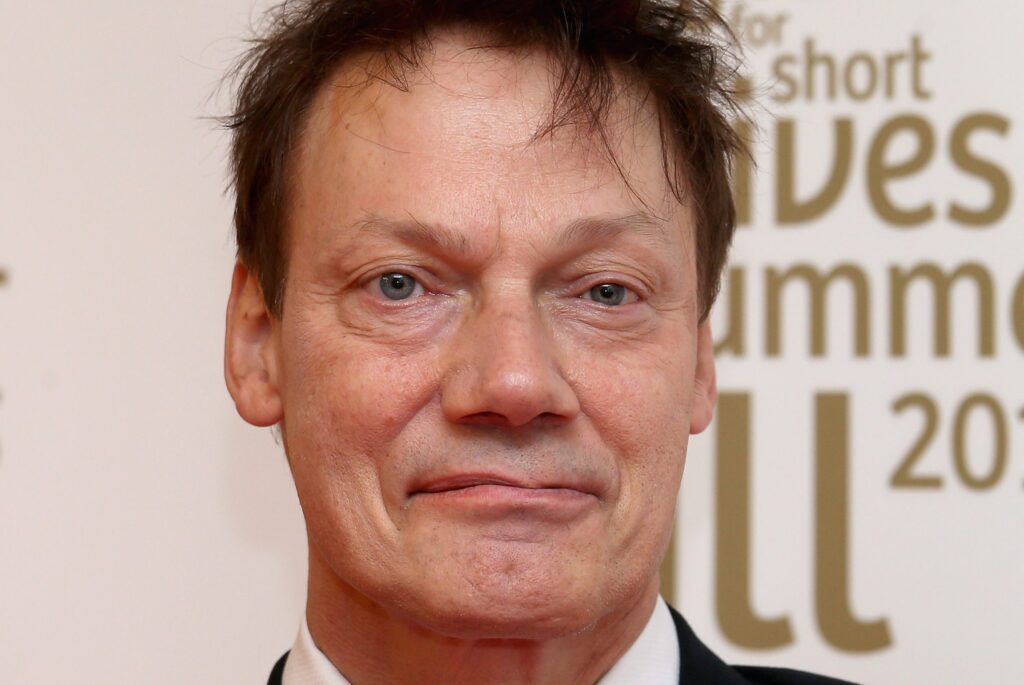
A legendary career in context
William Orbit, the British musician and producer who helped shape the sound of the late‑1990s, passed away on July 23 at the age of 69. His résumé reads like a who’s‑who of pop and alternative music, featuring Grammy‑winning work on Madonna’s “Ray of Light”, chart‑topping production for Blur’s “The Universal”, and the ethereal textures he added to All Saints’ debut. Orbit’s signature blend of ambient synths, layered guitars and inventive sampling made him a go‑to architect for artists looking to push their sonic boundaries.
Born in 1956, Orbit first emerged in the 1980s underground scene, releasing experimental solo albums that caught the ear of major labels. By the mid‑1990s he had become a sought‑after collaborator, translating his avant‑garde sensibilities into mainstream hits without diluting the artistic edge. The Grammy he won for Best Remixed Recording in 1999 cemented his status as a bridge between the club world and pop radio.
His influence extends beyond the tracks that topped the charts. Music scholars note that Orbit helped popularise the use of atmospheric pads and glitch‑style editing in pop production, a technique now standard in everything from K‑pop to Afro‑electronic fusion. As a result, his death is being felt not only in Western studios but also in the burgeoning music hubs of Lagos, Nairobi and Johannesburg.
Why his passing matters to the music industry today
Orbit’s death comes at a moment when the music business is grappling with rapid technological change. Producers are increasingly using AI‑driven tools to generate melodies, yet many still cite Orbit’s human‑centric approach—meticulous sound‑design paired with an ear for emotion—as a benchmark for quality. Industry insiders say his catalog serves as a master‑class in balancing artistic experimentation with commercial appeal.
The loss also highlights a generational shift. The producers who learned directly from Orbit, such as Jim Abbiss and Paul Epworth, are now mentoring a new wave of talent who grew up on streaming platforms. As these younger engineers inherit his techniques, they are adapting them to local contexts, especially in African cities where home‑grown electronic scenes are flourishing.
Furthermore, Orbit’s estate is expected to manage a sizeable back‑catalog that includes unreleased mixes and collaborations. Rights holders, record labels and streaming services will need to negotiate new licensing deals, potentially opening revenue streams for artists who sample his work. This could reshape royalty flows in markets that have historically been under‑represented in global publishing agreements.
The ripple effect on African and diaspora music
While Orbit never officially produced a chart‑topping Afrobeat record, his ambient textures have been cited by several African producers as a key influence. In a 2023 interview, Nigerian producer Kel-P mentioned that Orbit’s “spatial soundscapes” inspired his approach to layering synths over traditional percussion on Burna Boy’s “African Giant”. This cross‑pollination illustrates how a Western producer can indirectly shape the sound of African pop.
The rise of Afro‑electronic festivals in cities like Accra and Cape Town has also created a platform where Orbit’s techniques are being re‑interpreted. Artists such as South Africa’s DJ Black Coffee have incorporated “Orbit‑style reverbs” into live sets, blending them with local rhythms to craft a hybrid that appeals to both global and regional audiences. Such adaptations demonstrate the fluidity of modern music production, where a British Grammy winner can influence a Lagos club night.
Diaspora communities in London, New York and Toronto are especially attuned to these sonic exchanges. Many second‑generation Africans cite Orbit’s work as part of the soundtrack of their youth, linking his atmospheric production to the nostalgic mood of early‑2000s R&B that still circulates on streaming playlists curated for the diaspora.
Reactions from peers and fans worldwide
Tributes poured in from across the globe within hours of the family’s Instagram announcement. Madonna posted a black‑and‑white photo of herself with Orbit in the studio, calling him “the quiet genius who helped me find my voice in the 90s”. Blur’s Damon Albarn wrote on Twitter that Orbit’s “unmistakable sonic fingerprints will forever echo in our songs”.
African artists also weighed in. Ghanaian singer-songwriter King Promise tweeted that Orbit’s “ambient vibes taught us how to make space for our stories in the mix”. In Lagos, the weekly music show “Beat Box” dedicated a special episode to dissecting Orbit’s influence on contemporary Afro‑pop production, featuring commentary from local engineers who grew up listening to his remixes.
Fans organized virtual listening parties, streaming Orbit’s solo albums alongside his most famous collaborations. These gatherings not only celebrated his legacy but also sparked conversations about how his techniques can be taught in African music schools, a point raised by a professor at the University of Nairobi’s School of Music.
What comes next – preserving the legacy and future collaborations
Orbit’s estate has announced plans to release a box set of rare demos and unreleased mixes later this year, a move that could reignite interest in his catalog among younger producers. Industry analysts predict that the set will perform strongly on streaming platforms, especially in markets where his sound has been adopted by local artists.
In addition, several African record labels have expressed interest in partnering with the estate to curate tribute compilations that pair Orbit’s original stems with contemporary African beats. Such projects could provide new royalty pathways for African creators and showcase the seamless blend of Western ambient production with African rhythmic traditions.
Finally, music education initiatives are emerging to codify Orbit’s methods. A nonprofit in Lagos, SoundBridge, is developing a curriculum that uses his tracks as case studies for sound‑design, aiming to equip the next generation of African producers with the tools to compete on the global stage. If these efforts succeed, Orbit’s influence may become a permanent fixture in the African music ecosystem, far beyond the charts he once dominated.
Quick Answers
When did William Orbit die and how old was he?
William Orbit died on July 23, 2026, at the age of 69.
What are William Orbit’s most famous productions?
He is best known for producing Madonna’s “Ray of Light”, All Saints’ debut album, and Blur’s “The Universal”.
How has William Orbit influenced African music producers?
African producers cite his ambient synth layers and spatial mixing as inspiration for blending electronic textures with traditional rhythms in Afro‑beat and Afro‑electronic tracks.
Source: variety.com




💬 Comments 0