Zidane to Face Italy Again as France Coach 20 Years After 2006 WC Headbutt – What It Means for French‑Algerian Fans
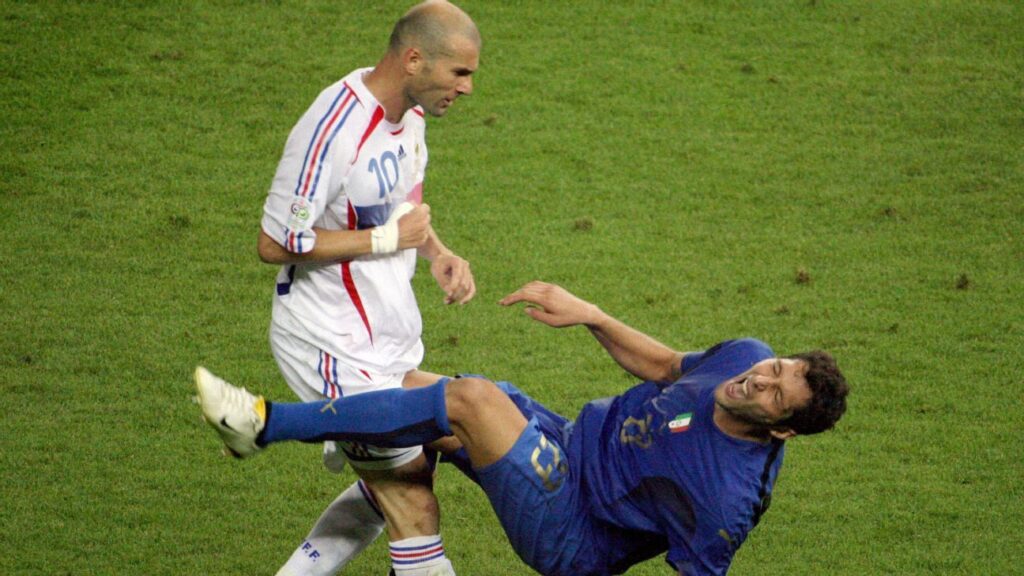
A Bit of History: The 2006 Final and Its Legacy
The 2006 World Cup final in Berlin ended in a dramatic fashion when Zinedine Zidane, France’s talisman, was shown a red card for head‑butting Italy’s Marco Materazzi. The incident instantly became one of football’s most replayed moments, casting a long shadow over Zidane’s otherwise glittering career. In the years that followed, the image of the French legend’s exit was repeatedly used in media narratives about temperament, pressure and the fine line between heroism and controversy.
Beyond the personal drama, the match marked a turning point for French football. It highlighted the growing influence of players with North‑African heritage—Zidane’s parents emigrated from Algeria—who were now central to the national team’s identity. The episode also sparked debates across Europe about disciplinary standards, the role of emotions in elite sport, and how a single act can reshape a player’s legacy for decades.
From Player to Manager: Zidane’s Coaching Journey
After retiring in 2006, Zidane turned to coaching, first taking charge of Real Madrid’s Castilla side before being promoted to the senior squad in 2016. In five seasons he won three consecutive Champions League titles, a La Liga crown and numerous domestic cups, cementing his reputation as one of the modern game’s most successful managers. His tactical approach blends pragmatic defense with moments of creative freedom—a philosophy that mirrors his playing style.
In early 2026 the French Football Federation appointed Zidane as head coach, a move that was welcomed by many but also scrutinised for its timing. Critics argued that his lack of experience with the national setup could be a risk, while supporters pointed to his proven ability to manage egos and deliver results on the biggest stages. The appointment also reignited discussions about representation, as Zidane remains one of the few high‑profile coaches of Maghrebi descent in Europe’s elite national teams.
Why the Italy Reunion Matters Beyond the Pitch
The upcoming friendly in Rome on 4 October 2026 is more than a nostalgic showdown; it is a litmus test for Zidane’s new era. Italy, under coach Luciano Spalletti, will field a squad blending seasoned veterans with a wave of young talent eager to prove themselves ahead of the Euro 2028 qualifiers. France, meanwhile, will use the match to gauge the cohesion of a squad that blends established stars with a new generation of diaspora‑born players.
For fans, the game offers a chance to rewrite the narrative of 2006. If Zidane can lead France to a convincing performance, the head‑butt incident may finally recede from the collective memory, replaced by a story of redemption and tactical mastery. Conversely, a poor showing could fuel doubts about his suitability for the national role and reignite the old debates about temperament and leadership.
African Roots, Global Influence: What This Means for French‑Algerian Football
Zidane’s Algerian heritage has always been a point of pride for the Maghreb diaspora across Europe and Africa. His ascendancy to the French helm sends a powerful signal to young players of North‑African descent that the highest coaching positions are within reach. In Algeria, clubs such as MC Alger and ES Sétif have reported a surge in academy enrolments this year, citing Zidane’s visibility as a catalyst for aspiring coaches and players.
The appointment also has commercial implications. French‑Algerian brands, from fashion houses to telecom operators, are negotiating sponsorship deals that tie their marketing to the national team’s new image. Moreover, African broadcasters are planning dedicated analysis shows that will focus on how Zidane’s tactics could open doors for African‑born talent to secure roles in top European leagues, reinforcing a feedback loop between the continent’s football development pathways and European elite clubs.
Looking Ahead: What the Friendly Signals for Euro 2028 and African Talent
Beyond the immediate spectacle, the friendly serves as a rehearsal for the Euro 2028 qualifying campaign, where France will face several nations with strong African‑influenced squads, such as Portugal and Belgium. Zidane’s experience in managing multicultural locker rooms could prove decisive in extracting peak performances from players like Kylian Mbappé, who has family ties to Cameroon, and Karim Adeyemi‑type prospects emerging from the French academy system.
Analysts also see a strategic opportunity for African football federations. By monitoring Zidane’s approach to integrating diaspora talent, they can refine their own scouting and coaching curricula, aiming to export more coaches rather than just players. If France succeeds under his guidance, it could set a precedent that encourages other African‑led coaches to pursue national‑team roles in Europe, gradually reshaping the continent’s representation at the highest managerial levels.
Quick Answers
When is the France vs Italy friendly that Zidane will coach?
The match is scheduled for Friday, 4 October 2026, at the Stadio Olimpico in Rome.
How many years have passed since Zidane’s 2006 World Cup head‑butt?
It has been exactly 20 years since the incident in the 2006 final.
What impact could Zidane’s appointment have on African‑born French players?
His role highlights the pathway for diaspora talent, potentially increasing scouting focus and sponsorship opportunities for African‑heritage players in France.
Source: www.espn.com




💬 Comments 0