2026 Democratic Party leadership change: What it means for US Africa aid & climate policy
Why the call for new leadership is growing
After a disappointing midterm cycle and a bruising primary season, many Democrats are confronting an internal consensus that the party’s current senior figures lack the political stamina to win the 2028 presidential race. Polls from Pew Research released in August show the party’s favorability slipping below 40 percent among independent voters, a demographic that traditionally decides the outcome of swing‑state contests. Critics argue that the same establishment faces a credibility gap on issues like student debt relief, climate justice and immigration, which have energized younger voters but remain under‑addressed in legislative agendas.
Grassroots activists and progressive think‑tanks such as the Center for American Progress have begun publishing position papers that call for a "new generation of leadership" capable of translating bold policy proposals into electoral victories. Their recommendations include expanding the party’s candidate pipeline, lowering barriers for first‑time office‑seekers, and creating mentorship networks that elevate women, Black and Latino leaders. The push is not merely rhetorical; fundraising data from OpenSecrets indicates a 27 percent increase in contributions to progressive challengers compared with the 2024 cycle, suggesting a tangible shift in donor preferences.
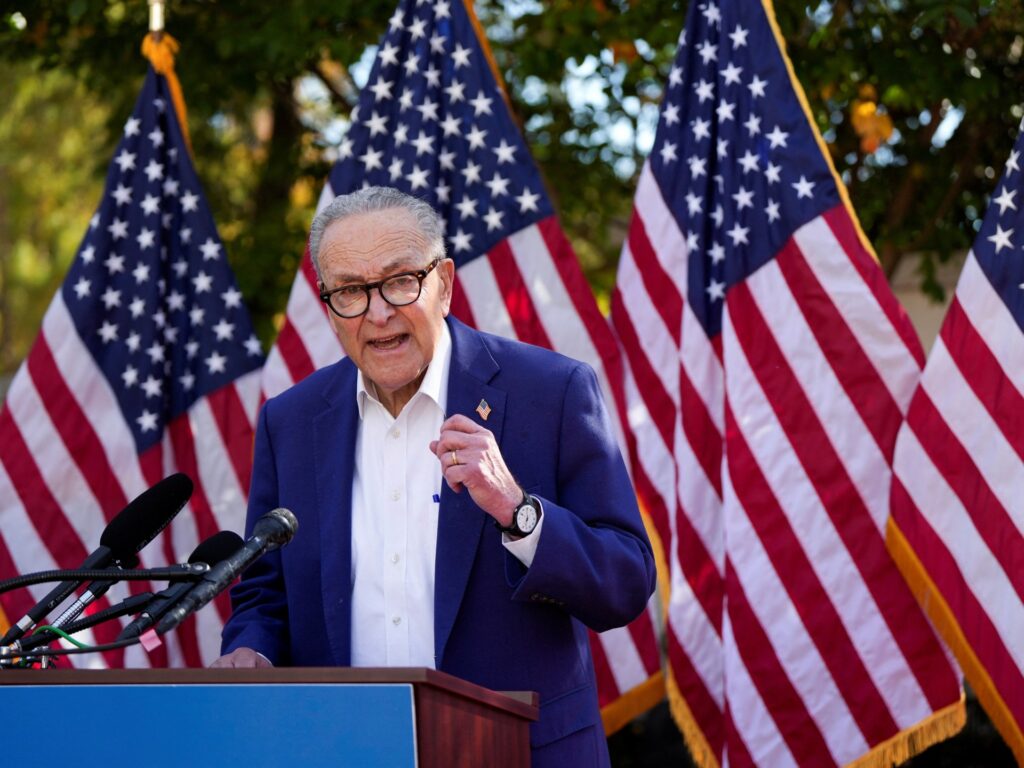
Veteran members of Congress, however, warn that a rapid turnover could destabilize the party’s legislative agenda. Former Senate Majority Leader Chuck Schumer, in an interview with The Atlantic, cautioned that "experience matters when negotiating complex budgetary and foreign‑policy packages," hinting that any leadership overhaul must balance fresh energy with institutional memory to avoid policy paralysis.
What a shift could mean for US policy on Africa
The United States’ relationship with Africa has been heavily shaped by Democratic administrations, from the African Growth and Opportunity Act (AGOA) under President Obama to the recent Climate‑Smart Agriculture Initiative launched in 2025. A new cohort of leaders, especially those with strong ties to the African diaspora, could recalibrate these programs toward more equitable trade terms and increased climate finance. According to a report by the African Development Bank, US climate funding to sub‑Saharan projects fell by 12 percent in 2025, a dip attributed to competing domestic priorities; a leadership refresh that foregrounds climate justice could reverse that trend.
Moreover, the Democratic Party’s internal debates over immigration and refugee policy have direct implications for African migrants. If emerging leaders champion more liberal asylum standards, the United States may see an expansion of pathways for refugees fleeing conflict zones in the Sahel and the Horn of Africa. Advocacy groups such as the International Rescue Committee have warned that current caps on refugee admissions are unsustainable, and a change in congressional leadership could unlock legislative reforms that ease those restrictions.
Trade is another arena where a new Democratic direction could matter. The upcoming renewal of AGOA is set for 2027, and a leadership team that includes younger, tech‑savvy policymakers may push for digital trade provisions, benefiting African start‑ups in fintech and renewable energy. Analysts at McKinsey note that integrating African digital economies into US supply chains could generate up to $30 billion in annual trade value, a figure that has been largely ignored in recent policy discussions.
The diaspora’s stake in a Democratic reset
African diaspora communities across the United States—particularly Nigerians, Ghanaians, and Kenyans—have become a growing political force, contributing an estimated $250 million to Democratic campaigns in the 2024 cycle, according to the Center for Responsive Politics. Their voting blocs are concentrated in swing districts such as Minnesota’s 5th and New York’s 13th, where margins of victory can be razor‑thin. A leadership change that actively courts these voters could translate into tighter coordination on issues like dual citizenship, voting rights for overseas citizens, and support for diaspora entrepreneurship programs.
Cultural influencers from the diaspora are also shaping the narrative around US‑Africa relations. Nigerian‑American filmmaker Kemi Adetiba’s recent documentary on climate migration has sparked bipartisan interest on Capitol Hill, illustrating how media can bridge policy gaps. If the Democratic Party embraces such cultural capital, it may develop a more nuanced diplomatic posture that acknowledges African perspectives on security, trade, and climate resilience.
Nevertheless, some diaspora leaders remain skeptical. In a panel hosted by the African American Institute, Kenyan activist Wambui Karanja warned that "new faces must come with concrete policy commitments, not just symbolic representation." She stressed that without measurable outcomes—such as increased visa allocations for skilled African workers—any leadership overhaul risks being perceived as performative.
Historical patterns: party renewal and foreign policy
American political history shows that periods of party renewal often coincide with shifts in foreign policy emphasis. The Democratic surge of the early 1990s, propelled by the Clinton administration’s “New Democrat” coalition, led to the expansion of trade agreements like NAFTA and a re‑orientation toward humanitarian interventions in Africa, exemplified by the 1998 US‑led response to the Sierra Leone civil war. Conversely, the Republican realignment of the early 2000s saw a reduction in aid budgets and a more security‑focused approach on the continent.
Scholars at the Brookings Institution argue that a similar pattern could repeat if the Democrats successfully inject new leadership. They point to the correlation between youthful congressional caucuses and the introduction of progressive foreign‑policy legislation, such as the 2023 Global Health Security Act. Should a new generation of Democrats prioritize climate and health, the United States may increase its contributions to the African Union’s Centre for Disease Control, enhancing regional pandemic preparedness.
However, the risk of policy inconsistency remains. A rapid turnover in committee chairs could stall ongoing projects, as seen during the 2016 transition when the House Foreign Affairs Committee lost momentum on the African Development Fund. Institutional safeguards—like bipartisan oversight panels—might be required to ensure continuity, especially for long‑term initiatives that span multiple election cycles.
What’s next: timelines, contenders and the road ahead
The next Democratic National Committee meeting, slated for February 2027, is expected to set the agenda for leadership elections in the House and Senate. Early speculation from Politico lists several rising stars: Rep. Ayanna Pressley (MA), who has championed climate‑justice legislation; Sen. Raphael Warnock (GA), whose Southern roots and ties to African American churches could broaden the party’s appeal; and former Ohio Governor Jane Timken, whose moderate stance may attract swing voters. Their potential candidacies are being monitored by both progressive advocacy groups and establishment donors.
For African stakeholders, the crucial window lies between the leadership vote and the AGOA renewal negotiations in mid‑2027. NGOs such as the African Business Roundtable are preparing policy briefs that outline priority reforms—like removing product‑origin restrictions and expanding digital trade corridors—to present to the incoming leaders. Their goal is to ensure that African interests are on the early agenda, rather than being sidelined by domestic political battles.
Finally, the diaspora’s role will likely intensify. Voter‑registration drives targeting African‑born citizens are already underway in states like Texas and Virginia, where the 2024 turnout was under 10 percent. If the Democratic Party successfully integrates these communities into its campaign infrastructure, it could not only secure electoral wins but also create a feedback loop that pushes US foreign policy toward more inclusive, Africa‑focused outcomes.
Quick Answers
What are the main reasons Democrats are being urged to change leadership?
Polls show declining favorability among independents, fundraising trends favor progressive challengers, and critics say current leaders lack the energy to win upcoming elections.
How could a new Democratic leadership affect US aid to Africa?
Fresh leaders may prioritize climate finance, expand refugee pathways, and push for digital‑trade provisions in the AGOA renewal, potentially increasing aid and trade value.
Who are the leading figures being discussed as potential new voices in the party?
Rep. Ayanna Pressley, Sen. Raphael Warnock, and former Ohio Governor Jane Timken are frequently cited as possible contenders for senior Democratic roles.
Source: www.aljazeera.com




💬 Comments 0