Four grizzly bears killed in Canada after fatal attack on mother and daughter, 2026: what it means for wildlife policy
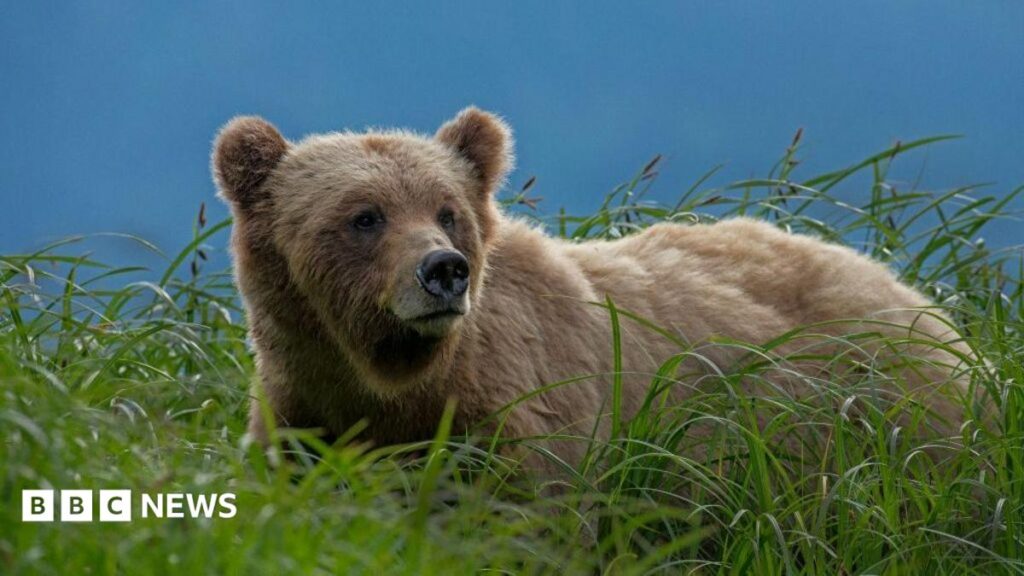
The tragedy that sparked a rapid bear cull
On 3 November 2026, Jennifer Balcarras, 48, and her 20‑year‑old daughter Selah Reed were hiking near Banff National Park when they were attacked by a lone female grizzly and her three cubs. The pair suffered fatal injuries within minutes, and park rangers later confirmed the bear family as the perpetrators. The incident sent shockwaves through Canada’s tourism sector, where wildlife encounters are a major draw, and prompted an emergency response from provincial wildlife officials.
Within hours of the attack, the Alberta Ministry of Environment ordered the lethal removal of the four bears involved. Two wildlife officers and a trained bear‑hunting team located the animals in a remote valley, and all four were shot dead. Officials framed the action as a necessary public‑safety measure, noting that the mother had previously displayed aggressive behaviour toward humans.
Why the response matters beyond the immediate scene
The decision to kill the entire family, rather than relocate the mother or use non‑lethal deterrents, reignites a long‑standing debate over how North American wildlife agencies balance human safety with conservation goals. Critics argue that lethal control can destabilise local bear populations, potentially increasing encounters as younger bears fill the vacuum left by dominant females.
Moreover, the incident arrives at a time when climate‑driven shifts in food availability are pushing bears closer to human settlements. Warmer winters reduce the quality of natural forage, while expanding tourism infrastructure fragments habitats. Each fatal encounter, therefore, becomes a data point in a larger conversation about the sustainability of current land‑use policies.
A pattern of rising human‑bear conflict worldwide
Canada is not alone in seeing more frequent clashes between large carnivores and people. In the United States, the number of reported grizzly attacks has risen by roughly 30 % over the past decade, according to the National Park Service. Similar trends are emerging in Europe, where brown bears are expanding northward into populated valleys, prompting new management plans.
The underlying drivers are strikingly similar: habitat loss, climate change, and a surge in outdoor recreation. As more hikers, cyclists and photographers venture into wilderness areas, the probability of accidental encounters climbs. The Banff tragedy underscores how a single event can accelerate policy shifts that affect entire ecosystems.
African parallels – what the continent can learn
African wildlife managers face comparable dilemmas with elephants, lions and leopards encroaching on farms and villages. In Kenya’s Maasai Mara, for example, the government has introduced electric‑fence corridors to protect both livestock and tourists, a strategy that mirrors some of the non‑lethal deterrents being trialled in North America, such as bear‑spray canisters and scent‑based repellents.
The Banff incident also resonates with the African diaspora community that frequently travels to Canada for adventure tourism. Travel agencies in South Africa and Nigeria have already begun issuing heightened safety briefings, advising clients to avoid solitary hikes during peak bear‑activity periods. This reflects a growing awareness that wildlife safety is a global concern, not confined to any single continent.
Indigenous voices and the future of bear management
First Nations groups in Alberta, including the Stoney Nakoda Nation, have long advocated for co‑management of wildlife that respects traditional knowledge. In statements released after the cull, several Indigenous leaders called for a review of lethal‑control protocols, emphasizing that bears hold cultural significance and that removal should be a last resort.
These calls align with a broader shift toward collaborative governance, where Indigenous monitoring teams work alongside provincial rangers to track bear movements using GPS collars and community‑based reporting apps. Such partnerships could reduce the need for emergency killings by providing early warnings of bear‑human overlap.
What comes next – policy, prevention and public perception
The Alberta government has announced a commission to examine the Banff attack and recommend changes to visitor guidelines, bear‑deterrent equipment, and habitat restoration funding. Early proposals include mandatory bear‑spray distribution at trailheads and stricter limits on backcountry camping during the spring‑summer months when cubs are most vulnerable.
Public reaction is split. While many Canadians applaud the swift action to protect hikers, environmental NGOs argue that the cull sets a dangerous precedent for future incidents. The debate is likely to influence upcoming federal wildlife‑policy revisions, especially as Canada prepares its 2027 biodiversity strategy, which aims to increase large‑carnivore populations by 15 % while reducing human‑wildlife conflict by half.
Quick Answers
Why were all four grizzly bears killed after the attack?
Officials said the mother bear was aggressive and the cubs could inherit that behaviour, so they were removed to prevent further risk to the public.
How does this incident affect tourism in Banff National Park?
The fatal attack has prompted tighter safety rules, possible trail closures, and heightened traveler anxiety, which could lower visitor numbers in the short term.
What lessons can African wildlife managers take from the Banff bear cull?
The case highlights the value of non‑lethal deterrents, community‑based monitoring and co‑management with Indigenous groups—approaches already used in parts of Africa.
Source: www.bbc.co.uk




💬 Comments 0