2026 soccer warmup kits: Premier League’s boldest designs, African influence and market impact
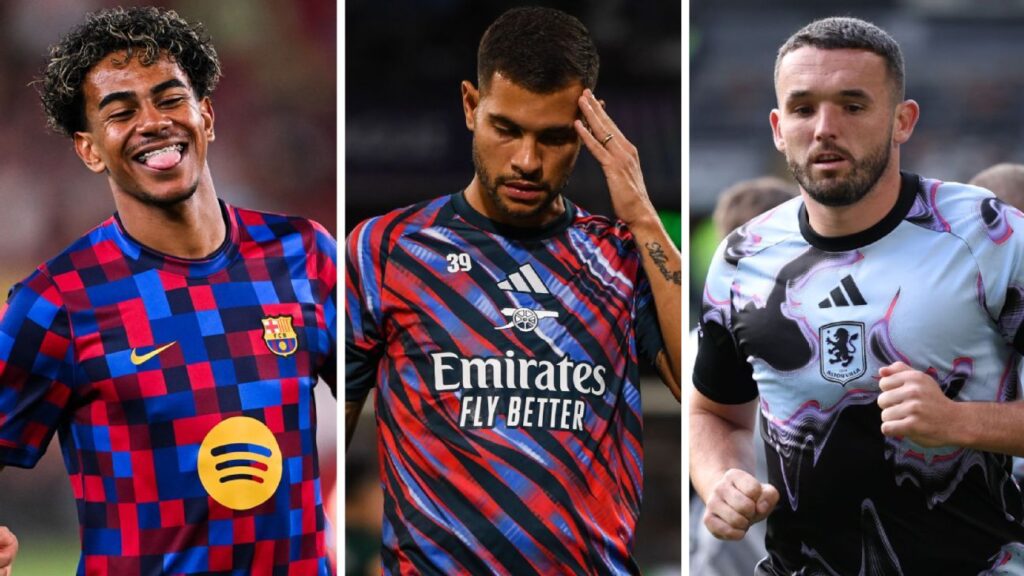
Background – warmup kits have become a fashion frontier
What used to be a simple, functional shirt for pre‑match stretching has turned into a high‑visibility billboard for clubs and sponsors. Over the past decade, clubs have rolled out dozens of alternate kits, but the warmup strip now enjoys a dedicated fan following on social media, where every colour splash is dissected and shared.
The shift is driven by three forces: the rise of digital content that rewards eye‑catching visuals, the apparel industry's appetite for new product cycles, and a growing appetite among supporters for collectible fashion. Brands such as Nike, Adidas and Puma treat each warmup kit as a limited‑edition drop, often releasing it just weeks before the season starts to maximise hype.
What happened this season – the hits and the misses
The 2026 Premier League season delivered a mixed bag. Manchester City’s neon‑green kit, designed by a London street‑wear collective, sold out within 48 hours and sparked a TikTok trend where fans filmed their pre‑match rituals. By contrast, Liverpool’s pastel‑blue strip, intended to evoke the city’s maritime heritage, was lambasted on Twitter for looking “like a school uniform on a rainy day”.
Mid‑table clubs also got creative. Brighton & Hove Albion partnered with a Nigerian textile startup to produce a warmup shirt featuring Ankara‑inspired prints, a collaboration that generated buzz both in the UK and across West Africa. Meanwhile, Tottenham’s minimalist black‑and‑white design received a lukewarm response, with fans calling it “too safe for a team that prides itself on flair”.
Why it matters – commercial stakes and fan culture
Warmup kits now account for a measurable slice of clubs’ merchandise revenue. According to a report from Deloitte Sports Business, sales of non‑matchday apparel grew 12% year‑on‑year in 2025, with warmup strips contributing roughly a third of that increase. The limited‑edition nature creates scarcity, prompting fans to buy quickly and often resell at a premium on secondary markets.
Beyond the balance sheet, the kits shape club identity. A striking warmup shirt can reinforce a narrative – for example, Arsenal’s “heritage‑in‑blue” kit linked the club’s 1930s triumphs to its modern aspirations, deepening emotional resonance for long‑time supporters. When clubs miss the mark, the backlash can damage brand perception, as seen with the criticism Liverpool faced on fan forums and in mainstream sports media.
African connections – designers, markets and diaspora fans
The African continent is no longer a peripheral market for football fashion; it is becoming a source of design inspiration and a key sales channel. The Brighton‑Ankara collaboration mentioned earlier was facilitated by Lagos‑based textile firm KenteCraft, whose bold patterns were adapted for a European audience while retaining authentic weaving techniques. Sales data from the club’s e‑commerce platform showed a 27% uplift in orders from Nigeria and Ghana during the launch week.
Diaspora communities amplify the reach of these kits. Nigerian‑British influencers posted unboxing videos that amassed millions of views, driving cross‑border interest. Moreover, African players such as Sadio Mané and Mohamed Salah have become informal ambassadors for their clubs’ apparel, often showcasing warmup gear on personal Instagram stories, which in turn fuels demand among fans back home.
From an industry perspective, the trend is prompting European brands to set up design studios in African fashion hubs. Puma announced a new “Creative Lab” in Accra, aiming to co‑create future warmup collections with local artists. This move not only diversifies design pipelines but also creates jobs and skill‑transfer opportunities in the region.
What’s next – sustainability, tech and the future of the warmup strip
Sustainability is the next frontier. Several clubs have pledged to use recycled polyester or organic cotton for their 2027 warmup kits, responding to fan pressure for greener products. The Premier League’s “Green Kit Initiative” estimates that eco‑friendly materials could cut the carbon footprint of a season’s warmup apparel by up to 40%, according to a study released by the University of Manchester’s Sports Engineering department.
Technology will also play a larger role. Smart fabrics capable of monitoring player temperature and heart rate are being trialled in pre‑season camps, and early prototypes suggest that data could be streamed to broadcasters for live analysis. If successful, the warmup kit could evolve from a visual statement into a performance‑enhancing tool, further blurring the line between fashion and function.
Finally, the market is likely to become more fragmented. As clubs experiment with hyper‑local collaborations—like the Nairobi‑based street artist who designed a one‑off warmup shirt for West Ham—the catalogue of designs will expand, giving fans more niche options but also increasing the challenge for brands to maintain global consistency.
Quick Answers
Why are soccer warmup kits becoming so popular?
They offer clubs a fresh merchandising avenue, generate social media buzz, and let brands showcase bold designs that fans can collect.
How are African designers influencing Premier League warmup kits?
African textile firms and street‑wear artists are co‑creating patterns and prints, boosting sales in African markets and giving clubs authentic cultural flair.
What sustainability steps are clubs taking with warmup apparel?
Many are switching to recycled polyester or organic cotton, aiming to cut the carbon impact of a season’s kit lineup by up to 40%.
Source: www.espn.com




💬 Comments 0