
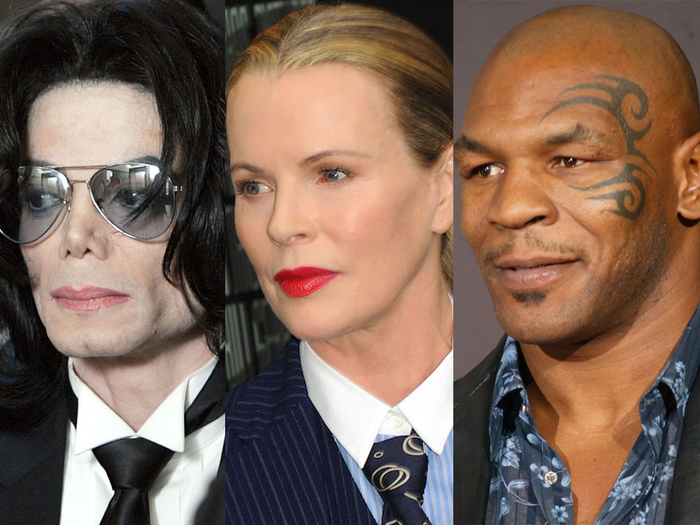
The court papers were brutal. Bank accounts drained. Mansions gone. At one point, Mike Tyson, a man who once earned over $300 million, was reportedly down to his last dollars, filing for bankruptcy in 2003 with debts topping $20 million.

That kind of fall isn’t just financial. It’s public. It’s humiliating. And in Hollywood, it’s usually permanent.
But here’s the twist most people miss: some of the most famous names you know didn’t just go broke… they rebuilt everything. Bigger brands. Smarter moves. Stronger legacies.
This isn’t just a list of losses. It’s a breakdown of the Celebrities who went broke and bounce back been rich, and what their comebacks actually looked like behind the headlines.
Because “from grace to grass back to grace” hits very differently when the whole world is watching.
BEFORE THE MONEY DISAPPEARED, THE LIFESTYLE NEVER STOPPED
Here’s the thing about fame: the money can come fast, but the spending usually comes faster.
We’re talking private jets, entourages, multiple homes, and deals that look solid, until they’re not. For many Celebrities who went broke and bounce back been rich, the crash wasn’t caused by one mistake. It was a pattern.
Take Nicolas Cage. At his peak, he owned castles, rare artifacts, even a dinosaur skull. When the IRS came knocking over unpaid taxes in the late 2000s, he had to sell off assets just to stay afloat.
Then there’s 50 Cent. By 2015, he filed for Chapter 11 bankruptcy, even while still projecting wealth online. It wasn’t that he had no money, it was a strategic move amid lawsuits and debts.

And let’s not ignore Toni Braxton, who filed for bankruptcy twice despite massive success in the ‘90s. Bad contracts, health issues, and industry politics played a role.

The truth is, going broke in entertainment doesn’t always mean you failed, it often means the system around you did.
THE REAL TEA: 15 CELEBRITIES WHO LOST IT ALL AND FOUGHT THEIR WAY BACK
Let’s get into the names that really define this “celebrity who went from grace to grass back to grace” narrative.
Start with Robert Downey Jr.. His fall in the late ‘90s wasn’t just financial, it was personal. Arrests, addiction, and being uninsurable in Hollywood. Studios wouldn’t touch him. Then came Iron Man in 2008, and suddenly he became one of the highest-paid actors in the world.
Oprah Winfrey didn’t go “broke” in the traditional sense, but her early career setbacks and financial struggles before building her empire matter here. She turned ownership into power, and that’s the real lesson.
Kim Basinger lost millions after backing out of a film deal in the ‘90s and filing for bankruptcy. Years later, she rebuilt through steady acting roles.
Even MC Hammer… yes, the same “Can’t Touch This” Hammer blew through an estimated $70 million fortune. Lavish spending and a huge payroll did the damage. His comeback? Reinventing himself in tech and business.
Curtis Jackson (50 Cent) deserves another mention here because his rebound wasn’t luck. His Vitamin water deal reportedly earned him tens of millions, proving he understood business beyond music.
Then there’s Cyndi Lauper, who was nearly broke before “Girls Just Want to Have Fun” changed everything. Or Larry King, who filed for bankruptcy in the ‘70s before becoming a broadcasting icon.
And let’s not skip Donald Trump. Multiple corporate bankruptcies in the ‘90s didn’t stop him from rebuilding his brand into a global name.
The common thread? They didn’t just earn money again, they rebuilt relevance, which is way harder.
WHAT NOBODY IS SAYING ABOUT THESE “COMEBACK” STORIES
Here’s what mainstream coverage rarely gets right: not every comeback is clean, and not every “bounce back” is purely inspirational.
A lot of these stories sit at the intersection of privilege, timing, and access.
Think about it. When Robert Downey Jr. was trying to rebuild, he still had industry connections willing to take a risk. When 50 Cent filed for bankruptcy, he had business assets most people don’t.
Now compare that to artists in African or Caribbean industries who hit financial trouble. The safety nets aren’t the same. The comeback path isn’t always there.
What nobody is saying about this is simple: the ability to “bounce back” in celebrity culture often depends on who still believes in you when you’re down, and who can afford to.
And that’s why these stories hit differently across the diaspora. It’s not just about losing money. It’s about whether the system allows you to recover from that loss.
Today, many of these stars are not just stable, they’re thriving again.
Robert Downey Jr. closed out a decade-long run with Marvel as one of Hollywood’s biggest earners. 50 Cent is now a television powerhouse with shows like Power. Mike Tyson reinvented himself through podcasts, exhibitions, and business ventures.
Others took quieter routes. Toni Braxton found stability through touring and reality TV. Nicolas Cage worked consistently, taking on multiple roles to rebuild his finances.
The mood now? Less flashy, more strategic. These celebrities learned the hard way that staying rich requires a completely different mindset than getting rich.
And honestly? That’s the part people should be paying attention to.
FREQUENTLY ASKED QUESTIONS
Which celebrities went broke and became rich again?
Several major names fit the “Celebrities who went broke and bounce back been rich” story. Will Smith, Johnny Depp, Michael Jackson, Mike Tyson, 50 Cent, George Foreman, Robert Downey Jr., and Nicolas Cage all faced serious financial or personal setbacks before rebuilding their wealth. What makes them stand out is not just recovery, but how they adapted, through business, branding, or reinvention.
Why do so many celebrities go broke?
It’s rarely just overspending. Bad contracts, lawsuits, poor financial management, and trusting the wrong people all play a role. Many celebrities also maintain expensive lifestyles even when income slows down, which creates long-term problems.
Did 50 Cent really go broke or was it strategic?
When 50 Cent filed for bankruptcy in 2015, it raised eyebrows because he was still publicly wealthy. Reports suggest it was partly strategic, tied to lawsuits and restructuring his finances. It’s a classic example of a celebrity who went from grace to grass back to grace in a calculated way.
Is it easier for celebrities to bounce back than regular people?
In many cases, yes. Celebrities often have access to networks, opportunities, and platforms that make rebuilding easier. That said, not every celebrity manages to recover, plenty disappear completely after financial collapse.
What happens to celebrities after they lose their money?
Some pivot into new industries like business, media, or tech. Others return to their original craft with a different approach. For the smartest ones, losing money becomes a turning point rather than the end of the story.
Fame might open the door, but it doesn’t keep you in the room. The real flex isn’t getting rich, it’s losing everything and still finding your way back like nothing broke you in the first place.