Who Are the Most Paid Spotify Artists in 2026? The Real Money List Revealed
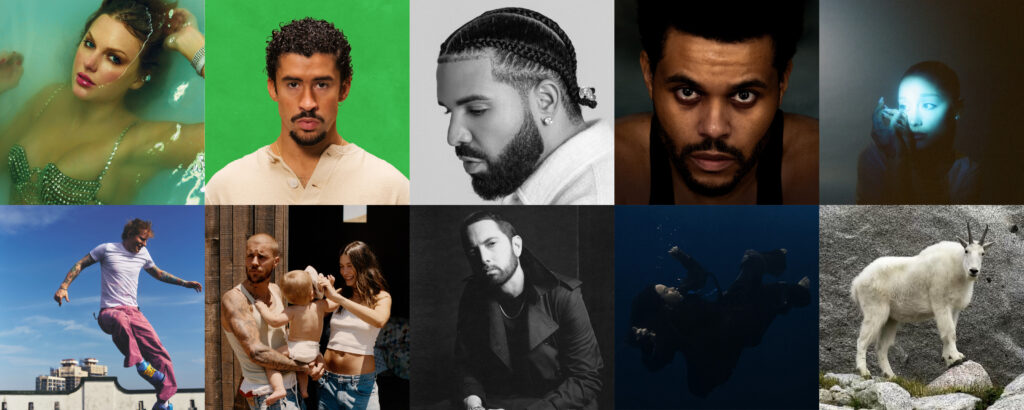
Streaming millions of songs a day sounds like a goldmine, until you realize most artists are getting fractions of a cent while a tiny elite is quietly stacking serious money.
And in 2026, that gap? It’s wider than ever.
Because while fans argue about playlists and viral hits, a handful of global superstars have figured out how to turn Spotify into a full-blown money machine, not just through streams, but through strategy.
This list of the Most Paid Spotify Artists in 2026 isn’t just about who had the biggest songs. It’s about who actually turned those streams into real wealth, and why some names you expect are here… while others are missing.
Stick with me, because this isn’t the surface-level “most streamed” list you’ve seen before. This is the real money conversation, and it hits different once you see how the game actually works.
BEFORE THE MONEY, THERE WAS A BROKEN SYSTEM
Let’s be honest, streaming was never designed to make most artists rich.
For years, musicians have complained that platforms like Spotify pay between $0.003 and $0.005 per stream on average. That means even a million streams doesn’t automatically equal life-changing money.
The real winners are the ones who treat Spotify as a launchpad, not the final destination.
That’s why when we talk about the Most Paid Spotify Artists in 2026, we’re not just talking about streaming revenue alone. We’re talking about artists who combine streams with touring, brand deals, publishing rights, and smart ownership.
Think about how Taylor Swift re-recorded her catalogue to regain control, or how Drake turned consistent chart dominance into long-term leverage.
Meanwhile, global acts like Bad Bunny have proven that language is no barrier when your streaming numbers are massive enough.
So the question isn’t just “who gets the most streams?”
It’s: who knows how to turn those streams into power?
THE REAL LIST: WHO IS ACTUALLY CASHING OUT
Let’s get into it, the names dominating the conversation around the Spotify richest artists in 2026.
At the very top, you still find Taylor Swift, and it’s not even close when you factor in everything. Her catalogue alone pulls billions of streams annually, but the real genius is ownership. With her masters largely under her control, every stream hits differently.
Right behind her is Drake, who has quietly built one of the most consistent streaming empires in history. No dramatic reinvention needed, just hit after hit, year after year.
Then there’s Bad Bunny, who continues to dominate globally. His numbers prove something important: Spotify isn’t just an American game anymore. Latin music isn’t “crossing over” it already crossed.
Artists like The Weeknd also sit comfortably near the top, thanks to evergreen hits like Blinding Lights that refuse to leave playlists.
But here’s where it gets interesting, streaming alone didn’t put them here. Strategy did.
Take Ed Sheeran. His Spotify numbers are huge, yes. But his touring revenue and songwriting credits multiply that income in ways streaming alone never could.
Same story with Beyoncé, fewer releases than some peers, but every drop is an event, and every stream feeds into a bigger ecosystem of visuals, tours, and cultural impact.
And don’t ignore rising global players, Afrobeats stars like Burna Boy and Wizkid are climbing fast. Their streaming numbers are growing internationally, which means the money conversation is about to get a lot more diverse.
Because Spotify in 2026? It’s not just about who’s famous. It’s about who’s global.
WHAT EVERYONE IS MISSING ABOUT THIS LIST
Here’s what nobody is saying out loud: this list is less about music… and more about ownership.
The biggest earners aren’t just artists, they’re business people who happen to make music.
Look at the pattern. The names at the top either own their masters, control their publishing, or have negotiated deals that give them a larger slice of streaming revenue.
Meanwhile, incredibly talented artists with millions of streams can still struggle financially if they’re locked into bad contracts.
From a diaspora perspective, this hits even harder. African and Caribbean artists are finally getting global streams, but the question is, who actually owns that music?
Because if the infrastructure isn’t local, the wealth often isn’t either.
And that’s the uncomfortable truth behind the Most Paid Spotify Artists in 2026: it’s not a pure meritocracy. It’s a system that rewards those who understand the business side just as much as the creative side.
Right now, Spotify is still growing more users, more markets, more influence.
But the conversation around artist pay isn’t going away. If anything, it’s getting louder.
Major stars continue to dominate earnings, while mid-level and emerging artists are pushing for better transparency and fairer payouts.
And the next shift? It’s likely going to come from artists demanding more control, not just more streams.
What hasn’t changed is this: the biggest names will keep winning because they understand how to play the system.
What’s changing is who gets to join that circle.
My honest take? Streaming isn’t broken. It’s just brutally honest. It rewards scale, strategy, and ownership. If you don’t have those, the numbers alone won’t save you.
FREQUENTLY ASKED QUESTIONS
Who is the highest paid artist on Spotify in 2026?
Right now, Taylor Swift is widely considered the top earner when you combine streaming revenue with ownership of her catalogue. The Most Paid Spotify Artists in 2026 list isn’t just about streams, it’s about who actually profits from them. Her control over her music gives her a major advantage.
How much does Spotify pay artists per stream?
Spotify typically pays between $0.003 and $0.005 per stream, though this varies based on location and contracts. That’s why even artists with millions of streams may not rank among the Spotify richest artists in 2026 unless they have additional income streams like touring or publishing.
Why are some artists with huge streams not the highest paid?
Because streams don’t equal ownership. Many artists don’t own their masters or publishing rights, meaning a large portion of their streaming revenue goes to labels or partners. The Most Paid Spotify Artists in 2026 are the ones who control more of their earnings.
Is Spotify unfair to smaller artists?
That depends on who you ask. Critics argue the payout system favors already popular artists, while Spotify says it reflects listener demand. What’s clear is that smaller artists need more than just streams to earn significantly.
Will African artists dominate Spotify earnings in the future?
It’s heading that way. Artists like Burna Boy and Wizkid are already expanding globally. If they secure stronger ownership and global deals, they could easily enter the top tier of Spotify richest artists in 2026 and beyond.
Streaming didn’t change the music industry, it exposed it.
And once you see who’s really getting paid versus who’s just getting played, you can’t unsee it.

💬 Comments 0