Abia State GADA warns landlords after Aba building collapse: 2026 safety crackdown impacts Nigerian property owners
A chronic safety crisis behind the headlines
Nigeria’s construction boom has long outpaced the capacity of regulators to enforce building codes. In the past decade, dozens of structures have collapsed across the country, leaving families homeless and prompting costly rescue operations. The problem is especially acute in the southeast, where rapid urban migration fuels informal housing projects that often sidestep official approvals.
Underlying the tragedy are three intertwined factors: weak enforcement of the National Building Code, a thriving market for unlicensed “quack” contractors, and a culture of cost‑cutting that prioritises speed over safety. According to the Nigerian Institution of Builders, only about 30 % of new projects in the region obtain full compliance certificates before breaking ground.
The recent Aba collapses that triggered GADA’s warning
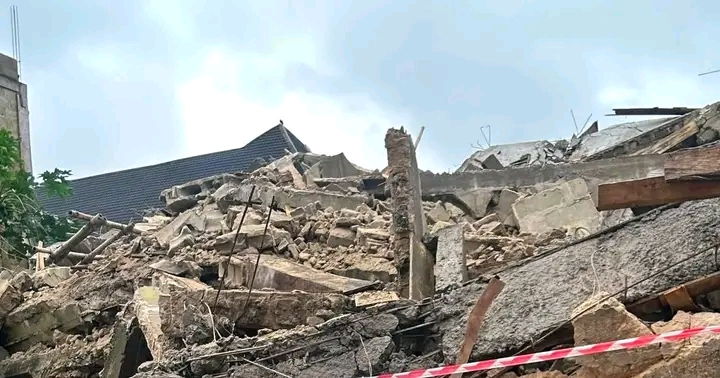
In early August 2026, two multi‑storey residential blocks in the Umuozue district of Osisioma Ngwa LGA gave way within days of each other. The first collapse, a six‑storey building under construction, claimed three lives and injured eight workers. The second, a completed ten‑storey rental complex, suffered a partial roof failure that forced the evacuation of 120 tenants.
Investigations by the Greater Aba Development Authority (GADA) revealed that both structures were erected by contractors who lacked the requisite registration with the Council for the Regulation of Engineering in Nigeria (COREN). Moreover, the projects bypassed GADA’s mandatory safety inspections, relying instead on informal “site supervisors” who were later identified as unqualified laborers.
Why GADA’s warning matters for landlords, investors and everyday Nigerians
Landlords in Aba and the wider Abia State market are now facing a stark choice: continue to cut corners and risk legal liability, or invest in certified contractors and risk higher upfront costs. The GADA notice explicitly threatens revocation of building permits for any developer found employing unregistered builders, a move that could jeopardise the profitability of dozens of rental portfolios.
For diaspora investors, many of whom remit funds to finance housing projects back home, the crackdown introduces a new risk calculus. Remittance flows to Nigeria peaked at $45 billion in 2025, with a sizable share earmarked for real‑estate development. Uncertainty over compliance could deter future investment, prompting some to shift toward more transparent markets such as Ghana or Kenya, where building‑code enforcement has recently tightened.
A pattern of unsafe construction across Nigeria
Aba is not an isolated case. Lagos recorded three major collapses in 2024, including the notorious 2024 Lekki high‑rise that left 15 dead. In Enugu, a 2025 school building failure sparked nationwide protests demanding stricter oversight. These incidents share common threads: reliance on cheap, unlicensed labor, falsified structural calculations, and a permissive environment for bribery at local permitting offices.
The Federal Ministry of Works announced a 2025 amendment to the National Building Code, mandating digital submission of structural drawings and real‑time verification by a central database. However, implementation has been uneven, with many state agencies, including those in the southeast, lacking the technical capacity to enforce the new system.
What’s next: policy, enforcement and community action
GADA plans to roll out a joint inspection task force with the Abia State Ministry of Works, deploying drones and laser scanning equipment to audit existing structures. The authority also intends to launch a public portal where tenants can anonymously report unsafe building practices, a model already piloted in Accra with promising results.
Civil society groups are stepping in, too. The Aba Residents’ Association has organized workshops on basic construction safety, targeting both tenants and small‑scale landlords. Meanwhile, professional bodies such as the Nigerian Institute of Architects are lobbying for harsher penalties for contractors who falsify qualifications, arguing that deterrence must be coupled with incentives for compliance.
If these measures gain traction, the long‑term outlook could shift from reactive rescue missions to proactive risk mitigation. For the average Nigerian, that translates into safer homes, steadier rental incomes, and a more trustworthy real‑estate market that can attract both local and diaspora capital.
Quick Answers
What caused the recent building collapses in Aba, Abia State?
Investigations found that unregistered contractors and the absence of mandatory safety inspections were the main reasons for the August 2026 collapses.
How will GADA’s warning affect landlords in Aba?
Landlords who continue to hire unqualified builders risk losing building permits and may face legal liability for unsafe structures.
Will the new safety measures impact Nigerian diaspora investors?
Yes, stricter enforcement could make diaspora investors more cautious, potentially redirecting remittance‑driven real‑estate funds to markets with clearer compliance frameworks.
Source: dailypost.ng



💬 Comments 0