Abia State to Prosecute Landlord and Tenants After 100 Bags of Sewage Found in Aba Home, 2026
A mounting waste crisis in Abia and the rest of Nigeria
Nigeria’s rapid urbanisation has outpaced the capacity of municipal waste services, especially in fast‑growing cities like Aba. The country generates an estimated 32 million tonnes of solid waste each year, but only about half is collected, according to the National Environmental Standards and Regulations Enforcement Agency (NESREA). The shortfall forces residents and informal waste pickers to resort to illegal dumping, open pits, and makeshift cesspits, creating a breeding ground for disease‑causing pathogens.
Abia State, part of the oil‑rich South‑East, has struggled to keep pace with the demand for proper sanitation infrastructure. The Abia State Environmental Protection Agency (ASEPA) reports that illegal dumping sites have multiplied in recent years, with many households resorting to storing raw sewage in containers because of unreliable public sewers. This backdrop makes the discovery of 100 bags of raw sewage in a single dwelling a stark illustration of a systemic failure rather than an isolated act of negligence.
The shocking find: 100 bags of raw sewage uncovered in an Aba house
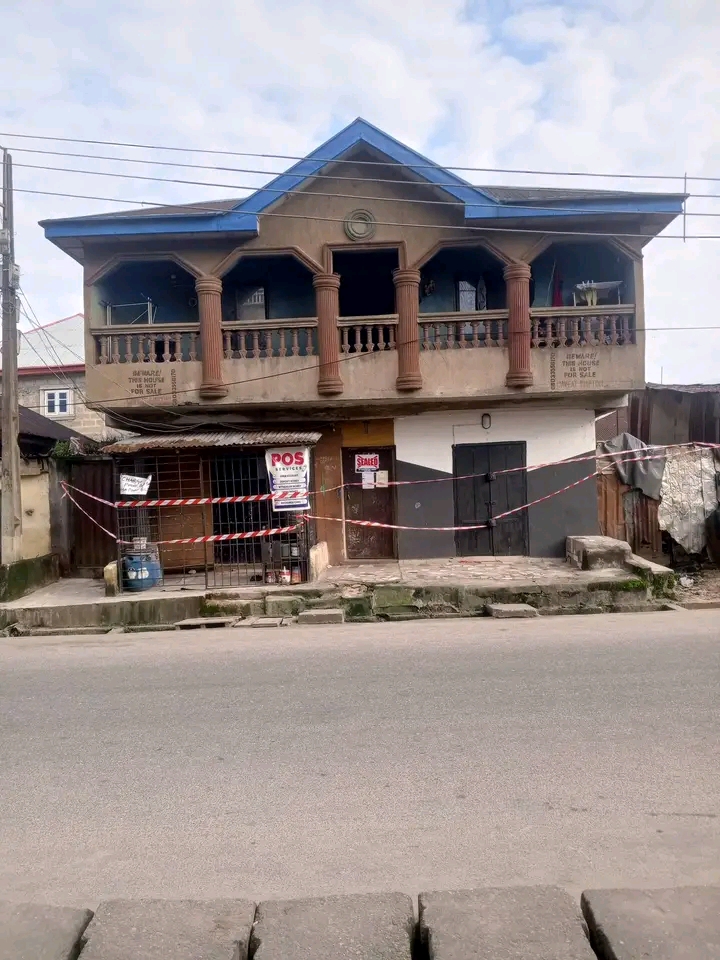
In early August 2026, a routine inspection by ASEPA officers in the Aba neighbourhood of Umuahia Road led to a grim discovery: roughly 100 heavy‑duty bags filled with raw sewage hidden inside a two‑storey rental property. Deputy General Manager Okezie Ezengwa described the scene as "a public health nightmare," noting that the bags were stacked against a wall and appeared to have been accumulating for months.
The landlord, identified only as Mr. Chukwuma Okeke, and the tenants, a family of six, were taken into custody for questioning. ASEPA’s statement said the landlord had failed to provide a functional septic system, while the tenants allegedly stored the waste to avoid paying for a private contractor. The agency announced its intention to prosecute both parties under the Environmental Impact Assessment Act and the Nigerian Land Use Act, which prohibit hazardous waste disposal on private premises.
Why the case matters beyond the immediate health risk
First, the incident spotlights the legal vacuum surrounding informal waste disposal in Nigeria. While federal law criminalises illegal dumping, enforcement has been uneven, and most prosecutions target large‑scale commercial polluters, not private homeowners. By moving against a landlord and tenants, the Abia government is setting a precedent that could embolden other states to pursue similar actions, potentially reshaping the enforcement landscape.
Second, the health implications are severe. Raw sewage harbours bacteria such as E. coli and Salmonella, which can cause diarrhoeal disease, cholera, and hepatitis A. In densely populated Aba, a single contaminated household can become a vector for an outbreak, especially among children and the elderly. Public health experts, including the Nigeria Centre for Disease Control, have warned that unchecked sewage storage could reverse gains made in reducing water‑borne illnesses over the past decade.
Finally, the case intersects with housing rights. Rental properties in many Nigerian cities lack basic sanitation standards, yet tenants often have limited recourse against negligent landlords. Legal scholars argue that prosecuting both parties may shift some responsibility onto tenants, risking a blame‑the‑victim narrative that could discourage renters from reporting unsafe conditions. The balance between accountability and protection for vulnerable tenants will likely become a key point of debate in future housing policy reforms.
Community, activist and political reactions
Local residents expressed a mixture of outrage and relief. In a town‑hall meeting organised by the Aba Residents Association, community leader Mrs. Chioma Nwankwo said the discovery confirmed long‑standing fears that “our neighbourhood is being turned into a dumping ground.” She called for immediate installation of public septic tanks and for ASEPA to conduct a broader audit of rental properties.
Environmental NGOs, such as Green Africa Initiative, welcomed the prosecution but warned that punitive measures alone would not solve the underlying waste‑management deficit. Their spokesperson, Dr. Ifeoma Okpara, urged the state government to invest in community‑based waste collection schemes and to subsidise low‑cost septic solutions for low‑income landlords.
Politically, the case has become a talking point for opposition parties ahead of the 2027 state elections. The Peoples Democratic Party (PDP) criticised the ruling All Progressives Grand Alliance (APGA) for “allowing a crisis that forces families to hide sewage in bags.” In response, an APGA spokesperson framed the prosecution as “a demonstration of zero tolerance for environmental neglect,” positioning the government as a champion of public health.
What comes next: legal proceedings and policy reforms
The legal process is expected to move quickly. ASEPA has filed a charge sheet citing sections of the Environmental Impact Assessment Act that penalise the storage of hazardous waste on private land. If convicted, the landlord faces a fine of up to ₦5 million (about $12,000) and up to three years imprisonment, while tenants could be fined ₦1 million each. Legal analysts note that the courts may also order the demolition of the makeshift sewage storage area and compel the landlord to install a compliant septic system.
Beyond the courtroom, the state government announced a three‑pronged waste‑management overhaul. The plan includes (1) a rapid‑deployment task force to inspect 10,000 rental units for sanitation compliance within six months; (2) a public‑private partnership to build modular septic units that can be rented by low‑income landlords at subsidised rates; and (3) an awareness campaign targeting tenants about the health risks of illegal sewage storage.
If successful, Abia’s approach could become a model for other Nigerian states grappling with similar challenges. The Federal Ministry of Environment has already expressed interest in replicating the inspection framework nationwide, suggesting that the Aba incident may catalyse a broader shift toward stricter enforcement of waste‑disposal laws across the country.
Quick Answers
What legal penalties could the landlord face for storing 100 bags of sewage in Aba?
Under the Environmental Impact Assessment Act, the landlord could be fined up to ₦5 million and sentenced to three years in prison if convicted.
How does the sewage incident affect public health in Aba?
Raw sewage can spread bacteria like E. coli and Salmonella, increasing the risk of diarrhoeal diseases, cholera, and hepatitis A among nearby residents.
What steps is Abia State taking to prevent similar waste‑management failures?
The state plans to inspect 10,000 rental units, introduce subsidised modular septic systems, and launch an awareness campaign on safe waste disposal.
Source: dailypost.ng



💬 Comments 0