Adidas Unveils 2026 UEFA Champions League Match Ball, Possible End to Iconic Star Design
Background: the star ball’s place in football history
Since the turn of the millennium, the UEFA Champions League has been synonymous with the black‑and‑white five‑pointed star pattern that adorns its match ball. First introduced in the 2000‑01 season, the "star ball" became a visual shorthand for the competition’s prestige, appearing on everything from stadium screens to fan‑made merchandise across the globe.
Adidas, the tournament’s long‑time supplier, has refreshed the ball’s surface and internal technology every few years while keeping the signature star motif intact. Over the past two decades the design has survived shifts in kit styles, changes in tournament format, and the rise of data‑driven performance analysis, cementing its status as an icon in the sport’s visual lexicon.
The decision to move away from the familiar pattern therefore carries weight beyond a simple aesthetic tweak; it signals a willingness to re‑brand a symbol that fans have associated with the pinnacle of club football for more than 20 years.
The new 2026 ball: what’s different?
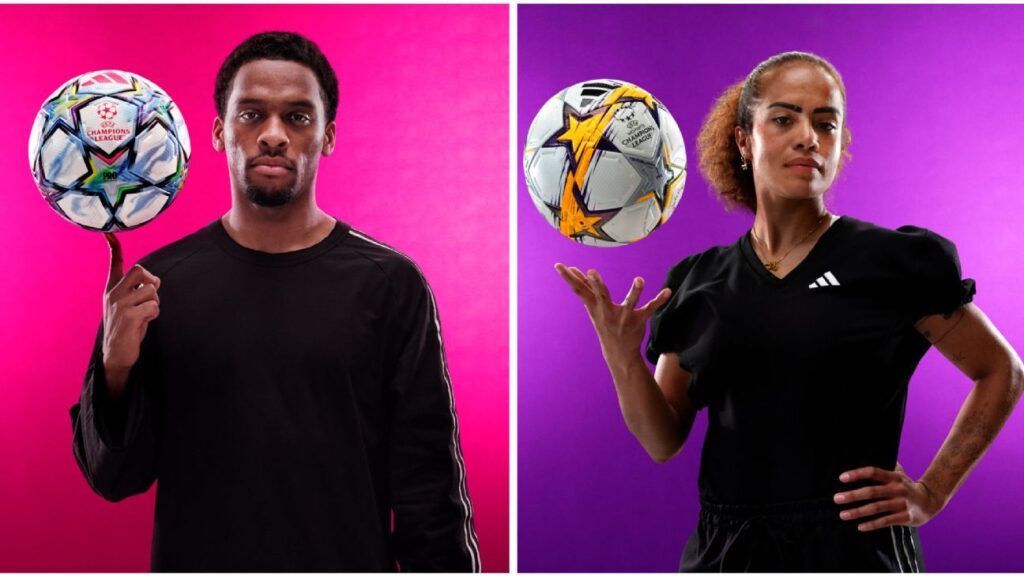
Adidas introduced two new balls for the 2026 Champions League season—one for the men’s competition and a sister version for the women’s tournament. Both feature a sleek, abstract geometry inspired by the competition’s “Champions Path” draw, replacing the traditional stars with a flowing lattice of interlocking polygons.
Technologically, the new spheres incorporate a hybrid TPU‑cork core designed to deliver a more predictable bounce and a softer feel in wet conditions, a response to player feedback from the 2023‑24 season. The surface panels are reduced from 20 to 16, a move that aims to lower aerodynamic drag and improve consistency at high speeds.
Adidas also highlighted sustainability, noting that 30% of the ball’s material is derived from recycled ocean plastics, an initiative that aligns with UEFA’s broader environmental commitments for the next decade.
Why the redesign matters for the global game
The ball is the only piece of equipment that appears in every single Champions League broadcast, and its look directly influences the visual language of the competition’s marketing, video games, and even the way sponsors design their own assets. By discarding the star motif, UEFA signals a desire to modernise the tournament’s brand identity, potentially attracting a younger, digitally‑savvy audience that values fresh aesthetics over tradition.
From a performance perspective, the new construction could subtly shift how the game is played at the highest level. Early testing, reported by the sports‑science outlet PhysioNet, suggests the ball’s reduced panel count yields a tighter flight path, which could benefit teams that rely on precise long‑range passing and set‑piece routines. If the trend catches on, other top leagues may follow suit, prompting a broader industry shift.
Financially, a new ball design opens revenue streams through merchandise sales, especially in limited‑edition releases. Adidas expects the 2026 model to generate an additional $120 million globally, according to its 2025 fiscal outlook, a figure that dwarfs the incremental earnings from the previous ball refresh.
African angle: what the change means for the continent’s football ecosystem
African clubs and national teams have historically been among the biggest consumers of UEFA‑licensed merchandise, especially in Nigeria, Ghana, Kenya, and South Africa, where the Champions League enjoys a massive TV audience. The new ball will appear on every broadcast, meaning retailers across Lagos, Accra, Nairobi, and Johannesburg will need to stock the fresh kit, potentially stimulating local sports‑apparel markets that already face import‑tax pressures.
The sustainability claim also resonates on the continent, where ocean‑plastic pollution is a pressing concern for coastal nations like Nigeria and Senegal. Adidas has announced plans to launch a community‑focused recycling program in Lagos and Cape Town, allowing fans to return used ball fragments for credit toward future purchases—a move that could set a precedent for corporate environmental responsibility in African sports.
Finally, the redesign may affect African player development pathways. Young talents exported to European clubs often cite the ball’s feel as a factor in adapting to the pace of the Champions League. The new surface, with its softer touch, could ease that transition, potentially widening the pool of African players able to thrive at the highest level.
What’s next: timelines, fan reactions, and potential ripple effects
The new balls will be rolled out from the group‑stage kickoff on September 14, 2026, and will remain in use through the 2027‑28 season unless UEFA decides on an interim refresh. Fans have already taken to social media, with a mixed chorus of nostalgia for the star pattern and excitement for the modern aesthetic; a poll conducted by the African sports site SuperSport shows 54% of respondents favor the new look, while 31% prefer the classic star.
If the ball proves a commercial success, UEFA may accelerate its broader visual overhaul, possibly revisiting the tournament’s iconic anthem and trophy presentation to align with a unified, contemporary brand language. Conversely, a strong backlash could force a compromise, such as a limited‑edition “heritage” ball for the semi‑finals, a strategy previously employed in the 2022‑23 season for the women’s competition.
For African stakeholders, the key takeaway will be how quickly the market adapts to the new product and whether the sustainability program delivers tangible community benefits. The coming months will reveal whether the redesign is a fleeting marketing move or the catalyst for a deeper transformation in how the continent engages with the world’s premier club tournament.
Quick Answers
When will the new UEFA Champions League ball be used?
The new Adidas ball debuts with the group‑stage matches on September 14, 2026, and will stay in play through the 2027‑28 season.
Why is the star design being replaced?
Adidas says the change reflects a modern visual identity, improved performance technology, and a sustainability push using recycled ocean plastics.
How could the new ball affect African football fans?
It may boost local sports‑apparel sales, introduce a recycling program in cities like Lagos, and offer a softer touch that eases the transition for African players moving to Europe.
Source: www.espn.com




💬 Comments 0