Leny Yoro red card overturned after Manchester United appeal – what it means for United, VAR and African players in 2026
Background: the incident that sparked the controversy
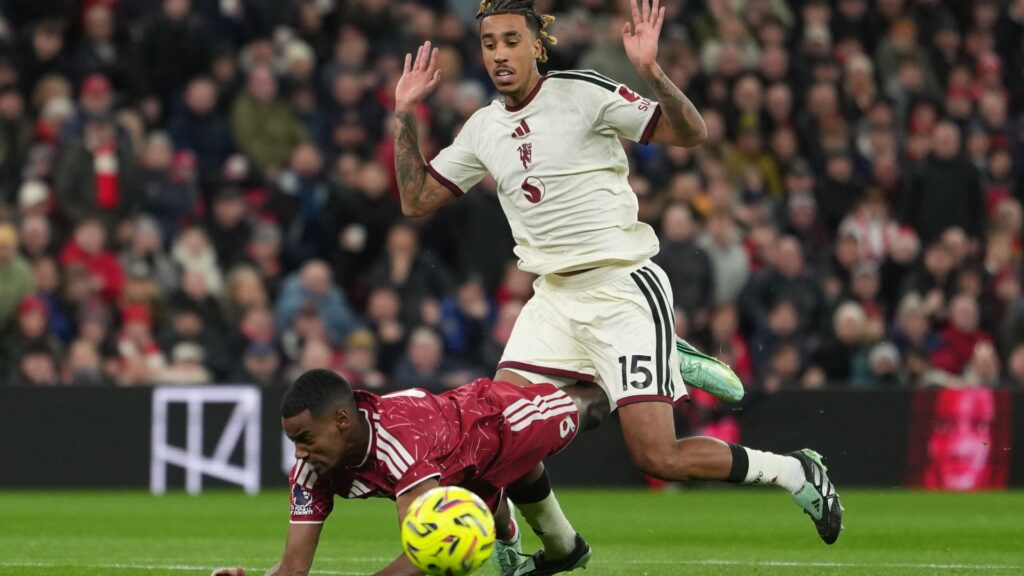
On 21 October 2026, Manchester United travelled to Anfield for a high‑stakes Premier League clash against Liverpool. In the 23rd minute, United defender Leny Yoro was shown a straight red card after a challenge on Liverpool forward Mohamed Salah that the referee deemed a reckless tackle.
The decision left United with ten men for the bulk of the match, contributing to a 2‑1 defeat that saw them slip further down the league table. The red card also triggered an automatic three‑match ban, putting United’s defensive options under strain during a congested fixture period.
Yoro, a 21‑year‑old centre‑back born in France to Ivorian parents, had only recently broken into United’s first‑team squad. The dismissal was his first senior red card and immediately became a talking point across social media, with many questioning whether the referee had over‑reacted.
The appeal process and the FA’s ruling
Manchester United lodged an appeal with the Football Association (FA) within the 24‑hour window allowed for disciplinary matters. Their case focused on video evidence that suggested Yoro’s foot made contact with Salah’s shin rather than his thigh, a distinction that could downgrade the offence from violent conduct to a careless challenge.
On 24 November 2026, the FA’s Independent Regulatory Commission (IRC) announced that the red card had been rescinded and Yoro’s three‑match suspension lifted. The commission cited “clear video evidence” that the tackle did not meet the threshold for a straight red, according to an official FA statement.
The decision was welcomed by United’s manager, who called the outcome “a vindication of the club’s belief in the player’s professionalism.” The FA also reminded clubs that appeals must be based on “substantial new evidence,” signalling that the body will continue to scrutinise refereeing decisions in the era of high‑definition VAR.
Why the overturn matters for United and the wider league
For United, the reversal restores a key defensive option at a critical juncture. The club faces a run of six games in three weeks, including Europa League ties and a derby against Manchester City. Having Yoro available eases the pressure on veteran centre‑backs Harry Maguire and Raphael Varane, who have both been nursing minor injuries.
Beyond squad depth, the case highlights the growing influence of video technology on disciplinary outcomes. While VAR has been used to review on‑field decisions, the appeal process now allows clubs to challenge post‑match sanctions using the same footage. This could lead to a rise in appeals, prompting the FA to consider stricter thresholds to prevent abuse of the system.
Critics argue that overturning red cards may undermine referees’ authority, especially if clubs become adept at finding technical loopholes. Supporters, however, see it as a necessary correction mechanism that protects players from costly errors in a league where a single dismissal can swing title races.
African diaspora angle: Yoro’s profile and what it means for young African talent
Leny Yoro’s heritage connects him to a growing cohort of players of African descent thriving in the Premier League. His Ivorian roots have already drawn interest from the Ivory Coast national team, which is scouting talent for the 2027 Africa Cup of Nations qualifiers.
The successful appeal sends a subtle message to African‑born or -heritage players that clubs will stand up for them when disciplinary decisions appear harsh. According to a recent article in The Athletic, African players are disproportionately penalised for “physical” style of play, a perception that can affect contract negotiations and market value.
For the diaspora community in the UK and Nigeria, Yoro’s case fuels discussions about representation and fairness. Nigerian‑British fan groups have taken to Twitter to celebrate the outcome, noting that Yoro’s resilience mirrors the broader narrative of African players breaking barriers in Europe’s top leagues.
What’s next: potential ripple effects for the Premier League and beyond
The FA has indicated it will review its appeal guidelines before the next season, aiming to balance fairness with the need to preserve the referee’s on‑field authority. Sources close to the FA suggest a possible introduction of a “partial‑review” window, where only certain categories of offences—such as violent conduct—can be appealed.
United’s short‑term focus will be on regaining momentum in the league and making a deep Europa League run. With Yoro back in the squad, the club’s defensive statistics are expected to improve, which could translate into crucial points as they chase a top‑four finish.
On a broader scale, the case may encourage other clubs to invest in dedicated video‑analysis teams capable of mounting swift appeals. This could reshape how disciplinary fairness is managed across Europe, prompting other leagues to adopt similar appeal mechanisms.
Quick Answers
Why was Leny Yoro’s red card overturned?
The FA’s Independent Regulatory Commission found video evidence showing Yoro’s tackle did not meet the criteria for violent conduct, leading to the red card being rescinded.
How does the decision affect Manchester United’s upcoming fixtures?
Yoro’s suspension was lifted, allowing him to play in United’s next six games, which include key Premier League matches and Europa League ties.
What impact does the case have on African players in the Premier League?
The successful appeal highlights that clubs will defend African‑heritage players against perceived harsh disciplinary actions, reinforcing confidence among the diaspora and encouraging fair treatment.
Source: www.skysports.com




💬 Comments 0