AFC Asian Cup 2027 postponed in Saudi Arabia over security fears – impact on African players, broadcasters and betting markets
Background: The original plan for the 2027 Asian Cup
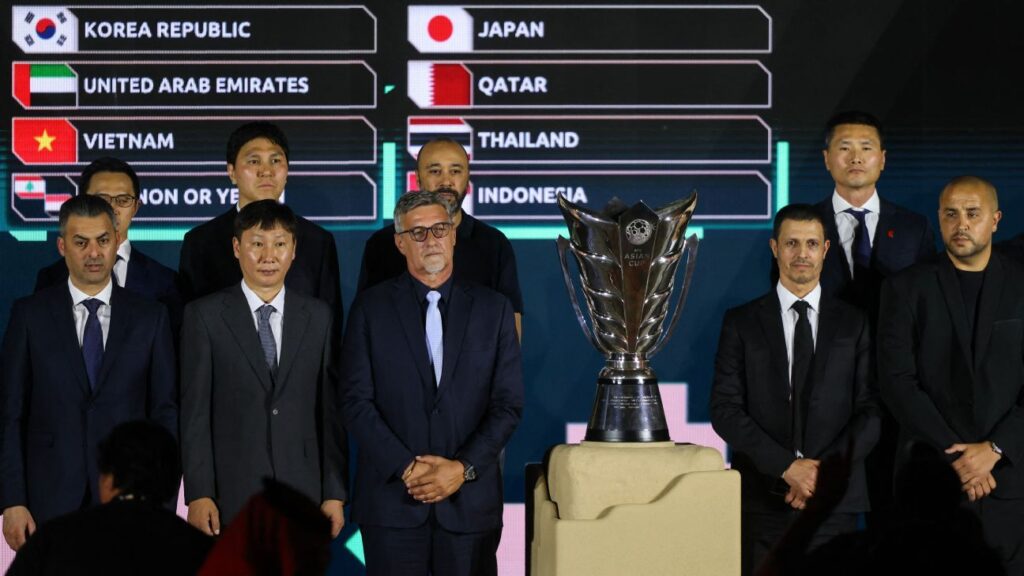
The Asian Football Confederation (AFC) awarded Saudi Arabia the rights to host the 2027 Asian Cup in 2023, envisioning a January‑February tournament that would showcase the Kingdom’s new stadiums and its growing football infrastructure. The competition was slated to run from 7 January to 5 February 2027, featuring 24 national teams and promising a global audience of over 300 million viewers.
Saudi Arabia’s bid was part of a broader strategy to use sport to diversify its economy under Vision 2030, with expectations that the tournament would generate significant tourism revenue, create jobs, and boost the nation’s brand as a safe, world‑class host. The AFC’s calendar also positioned the Asian Cup as a lead‑up event to the 2028 Olympic football tournament, giving Asian nations a valuable competitive platform.
What triggered the postponement?
In early October 2026, the AFC announced that the tournament would be postponed, citing “regional security concerns” that could jeopardise the safety of players, officials and fans. While the federation did not name a specific threat, analysts point to heightened geopolitical tensions in the Gulf, including the ongoing diplomatic rift between Saudi Arabia and Iran and the spill‑over of regional conflicts that have affected travel routes and insurance premiums for large‑scale events.
Sources close to the AFC told Reuters that the decision was also influenced by rising insurance costs for the tournament, which had doubled in the past twelve months. The federation’s emergency meeting in Doha concluded that a delay would allow more time to secure guarantees from local authorities and to reassess the security framework, according to a statement released by the AFC.
Why the postponement matters beyond the Middle East
The ripple effect reaches far beyond Saudi Arabia’s borders. African footballers, many of whom ply their trade in the Saudi Professional League, had been counting on the Asian Cup to showcase their talents on a continental stage. Players such as Ghanaian striker Jordan Ayew, who signed for Al‑Hilal in 2024, and Nigerian midfielder Wilfred Ndidi, rumored to be in talks with a Saudi club, could have used the tournament to boost their international profiles.
Moreover, the Asian Cup is a key content driver for African broadcasters that have secured rights to air the competition across the continent. Multi‑platform deals with DStv, Canal+ Afrique and local free‑to‑air stations were expected to generate advertising revenues of roughly $45 million. A postponement forces these broadcasters to reshuffle programming schedules, potentially leading to lower ad sales and a gap in premium sports content for African audiences during the early‑year period.
Connections to a broader pattern of sport and security in Africa
The AFC’s move mirrors a growing trend where security considerations are reshaping the African sports calendar. In 2025, the Confederation of African Football (CAF) postponed the African Nations Championship after a series of terrorist alerts in the host nation, and the 2026 Africa Cup of Nations in Ivory Coast faced similar scrutiny over protest‑related unrest. These incidents highlight how regional instability increasingly forces governing bodies to prioritize safety over fixed dates.
For African investors and sponsors, the pattern signals a need to diversify risk. Companies that traditionally linked their brand exposure to single‑event deals are now negotiating contingency clauses that allow for re‑allocation of funds if a tournament is moved or cancelled. This shift could accelerate the growth of pan‑African sports marketing agencies that bundle multiple events, thereby reducing exposure to any one geopolitical flashpoint.
Reactions from African stakeholders
African football associations expressed disappointment but also pragmatic support for the AFC’s decision. The Nigeria Football Federation released a brief statement saying the postponement “underscores the importance of player safety and will not affect our preparations for the 2027 World Cup qualifiers.” Meanwhile, the South African Sports Confederation and Olympic Committee (SASCOC) urged broadcasters to provide alternative high‑quality content, suggesting that the CAF Champions League could fill the programming void.
Betting operators with a strong African footprint, such as Bet9ja and SportPesa, warned of a short‑term dip in wagering volume. According to a market analyst at H2 Gambling Capital, the Asian Cup typically accounts for 12‑15 % of total football betting turnover in Africa during its run. The postponement could push bettors toward domestic leagues, potentially boosting local club revenues but also raising concerns about match‑fixing risks if oversight is weaker.
What’s next? Rescheduling and the road ahead
The AFC has not yet announced a new date, but insiders say a summer 2028 window is being explored to avoid clashing with the FIFA World Cup and the Olympic football tournament. Moving the competition to a later slot could align it with the African football calendar’s off‑season, creating a rare window where African players in the Middle East can compete without missing club duties.
For African fans, the delay may also open a dialogue about the continent’s own capacity to host major tournaments. The successful staging of the 2023 Africa Cup of Nations in Ivory Coast, despite security concerns, demonstrated that with proper coordination, large‑scale events can thrive. Some commentators argue that the AFC’s challenges could inspire African federations to lobby for more joint‑hosting arrangements, leveraging shared security resources across regions.
Quick Answers
When will the 2027 AFC Asian Cup be played now?
The AFC has not set a new date yet, but a summer 2028 slot is being considered to avoid conflicts with other major tournaments.
How does the postponement affect African football players in Saudi Arabia?
African players in Saudi clubs lose a chance to showcase themselves on a continental stage, which could impact future transfers and their market value.
Will African broadcasters still get the Asian Cup rights?
Broadcasters retain the rights but will need to renegotiate scheduling and may face reduced advertising revenue until the tournament is rescheduled.
Source: www.espn.com




💬 Comments 0