Alpine boss Flavio Briatore weighs options after Franco Colapinto’s costly crash at Baku 2026
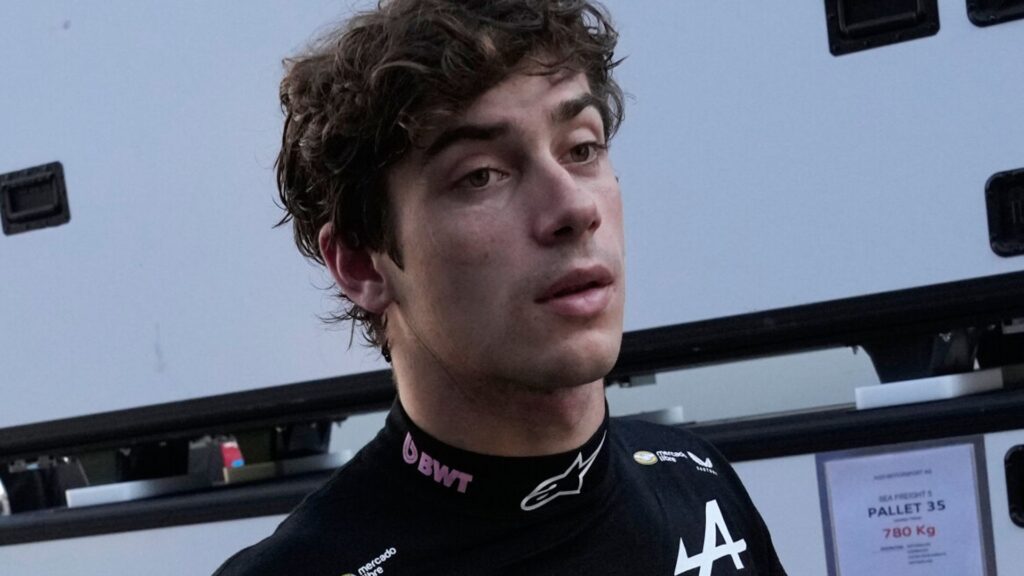
What went wrong on the Baku street circuit
The Azerbaijan Grand Prix, held on the tight, high‑speed streets of Baku, turned chaotic on lap 22 when Franco Colapinto mis‑judged a braking zone at the infamous Turn 13. The Argentine driver, making his second appearance for Alpine, clipped the rear of a rival car, sending his own machine into a spin that collected two other competitors. The resulting three‑car pile‑up forced a red flag and prompted an immediate safety review by the FIA stewards.
Colapinto, who entered the race with a reputation for aggressive overtaking in junior categories, was widely criticized for the error. While the official race report labelled the incident a "driver error," team engineers later confirmed that a sudden loss of grip on a newly resurfaced section of the track contributed to the mis‑calculation. The crash not only ended Alpine's chances for points but also raised questions about the team's driver development strategy.
In the aftermath, Alpine's chief executive Flavio Briatore announced he would take time to "reflect on what course of action should be taken" regarding the incident. His statement hinted at possible internal disciplinary measures, but also suggested a broader reassessment of how the team supports its young talent under the intense pressure of Formula 1.
Why Alpine’s response matters beyond the paddock
Alpine, the French‑backed works team, has positioned itself as a conduit for emerging drivers, especially from markets that traditionally lack a Formula 1 pipeline. The handling of Colapinto's mistake could set a precedent for how the sport treats rookie errors, influencing the career trajectories of not only Latin American prospects but also drivers from Africa and the Middle East who are eyeing a seat in the future.
If Alpine opts for a harsh penalty, it may deter other teams from taking risks on unproven talent, tightening the already limited pathways for drivers from under‑represented regions. Conversely, a more supportive approach—such as additional coaching or a temporary demotion to the reserve roster—could reinforce the message that the sport values development over immediate results, encouraging broader global participation.
The incident also intersects with the FIA’s ongoing safety reforms. After a series of high‑profile crashes in recent seasons, the governing body has introduced stricter track‑inspection protocols and mandatory driver briefings on circuit-specific hazards. Alpine’s reaction will be watched closely as a barometer for how teams adapt to these heightened safety expectations.
African fans, sponsors and the quest for a Grand Prix on the continent
While the Baku crash itself took place far from the African continent, its reverberations touch African stakeholders in several ways. African‑based sponsors, such as South Africa’s MTN Group and Nigeria’s Globacom, have been courting Formula 1 teams for branding exposure, betting on the sport’s growing viewership across the continent. Alpine’s handling of a high‑profile incident can affect the attractiveness of the team to these potential partners, who seek stable, reputable collaborations.
Moreover, the incident underscores the importance of having an African driver in the mix. The FIA has expressed interest in expanding its calendar to include a South African Grand Prix, a move that would galvanise local fan bases and create new commercial opportunities. Demonstrating that teams are willing to nurture talent from the continent—rather than penalise early mistakes—could accelerate lobbying efforts for such a race.
African diaspora communities, particularly in the United Kingdom and the United States, follow F1 avidly and often rally behind any driver with roots on the continent. A more inclusive approach by Alpine might inspire grassroots motorsport programmes in Kenya, Ghana, and Egypt, where limited funding currently hampers talent development. The ripple effect could be a deeper talent pool feeding into junior formulas and eventually, the pinnacle of motorsport.
Pattern of rookie mishaps and team strategies in 2026
The Baku incident is not isolated. This season alone, three other teams have seen rookie drivers involved in costly incidents—most notably at the Singapore night race and the Mexican Grand Prix. Analysts point to the compressed calendar and the increasing technical complexity of the cars as factors that amplify the learning curve for newcomers.
Teams have responded with varied tactics. Red Bull Racing, for instance, paired its rookie with a seasoned mentor for real‑time data analysis during practice sessions, while Mercedes introduced a “simulation‑first” program that forces drivers to complete a set number of virtual laps before stepping onto the track. Alpine’s decision will likely be compared against these models, influencing whether the French outfit adopts a similar mentorship framework or opts for a stricter performance‑based evaluation.
The broader trend suggests that the sport is at a crossroads: it must balance the commercial imperative of showcasing fresh faces with the competitive need for consistency. How Alpine navigates this dilemma could reshape the team’s reputation for driver development and impact its standing in the Constructors' Championship.
What could happen next for Colapinto and Alpine
Sources close to the team say that a formal review will be conducted within the next two weeks, involving the performance department, the driver’s coach, and senior management. Potential outcomes range from a temporary reassignment to Alpine’s reserve driver lineup, to a public reprimand followed by a structured performance plan.
If Alpine decides to retain Colapinto for the remainder of the season, the driver is likely to receive intensive simulator training focused on street‑circuit dynamics, a known weakness highlighted by the Baku crash. This could see him return with a more measured approach, aiming to rebuild trust with the team and its sponsors.
Conversely, should Alpine opt to replace him, the vacancy could open doors for a driver from an emerging market—perhaps a South African karting champion who has been competing in the FIA Formula 3 Championship. Such a move would send a powerful signal about the team’s commitment to global talent pipelines, resonating with African fans and sponsors eager for representation at the sport’s highest level.
Quick Answers
What caused the three‑car crash at the 2026 Azerbaijan Grand Prix?
Franco Colapinto mis‑judged his braking point at Turn 13, spun his car and collected two other drivers, prompting a red‑flag incident.
What did Alpine chief Flavio Briatore say after the crash?
He said he would take time to reflect on what course of action should be taken regarding Colapinto’s error.
What are the possible consequences for Franco Colapinto after the Baku incident?
Alpine may place him in the reserve lineup, impose a performance plan, or, in a more severe scenario, replace him with another driver.
Source: www.skysports.com




💬 Comments 0