America marks 25th anniversary of 9/11 attacks in 2026 with nationwide ceremonies
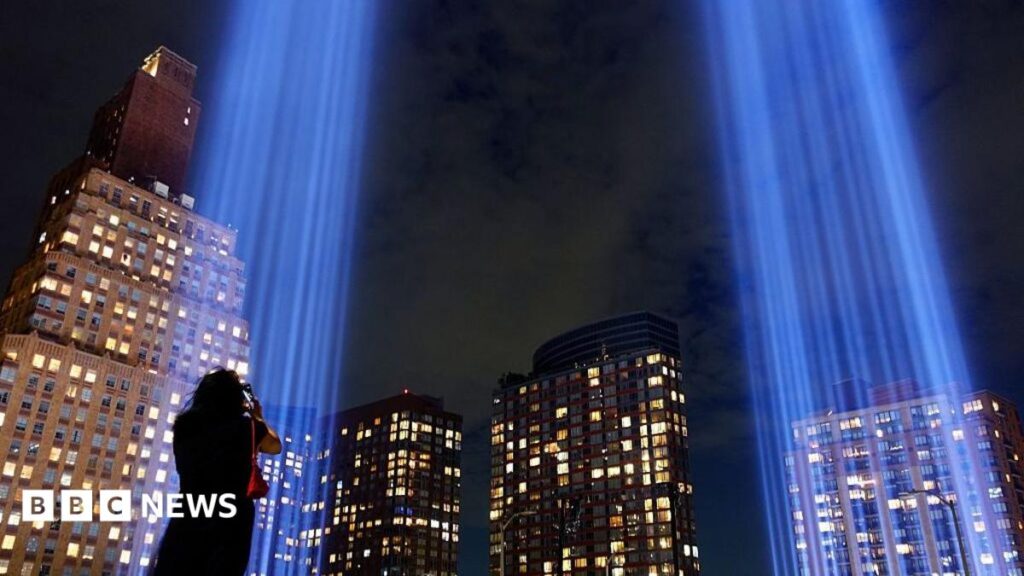
Why the quarter‑century milestone matters now
The 25th anniversary of September 11, 2001, is more than a moment of remembrance; it is a litmus test for how the United States has internalised the trauma and translated it into policy. Two and a half decades on, the nation’s security architecture, foreign interventions, and even its cultural narratives still echo the events of that day. As families of victims gather on the National Mall and at the Flight 93 Memorial, politicians and scholars use the occasion to gauge whether the promises of resilience have been kept or have simply become a banner for new forms of control.
In 2026, the United States faces a different set of challenges than it did in 2001 – from cyber‑espionage to climate‑driven migration – yet the shadow of 9/11 continues to shape budget allocations and public sentiment. The Department of Homeland Security’s budget for counter‑terrorism has risen by 12 % over the past five years, a trend that analysts link directly to the symbolic weight of the anniversary, which often prompts a surge in funding for intelligence and border security.
From New York to the Sahel: how 9/11 reshaped U.S. engagement in Africa
One of the less‑covered legacies of 9/11 is the way it redirected American counter‑terrorism focus toward Africa’s Sahel region. After the attacks, the U.S. launched the Trans‑Sahara Counterterrorism Partnership, funneling billions into training local forces in Mali, Niger and Burkina Faso. While the initiative was praised for bolstering regional security, critics argue it also entrenched a militarised approach that sometimes sidelined development goals. Recent reports from the International Crisis Group suggest that the partnership’s emphasis on kinetic operations has contributed to civilian grievances, which extremist groups exploit.
For the African diaspora in the United States, the ripple effects are tangible. Heightened security protocols at U.S. airports – many of which were instituted after 9/11 – have disproportionately slowed down travel for African nationals, who often face additional questioning under the “enhanced screening” procedures. The American Civil Liberties Union has documented a 23 % rise in secondary inspections for passengers with passports from Nigeria, Kenya and Ghana over the past year, a trend that many attribute to lingering post‑9/11 risk assessments.
Cultural memory and the politics of remembrance
The ceremonies in New York, at the Pentagon and in Shanksville are choreographed to convey a unified narrative of heroism and loss. Yet scholars note that the way the story is told can marginalise certain voices. In a recent panel at Columbia University, historian Dr. Amina Yusuf warned that “the dominant American memory of 9/11 often eclipses the contributions of Muslim‑American first responders and the experiences of African‑American communities who were already grappling with systemic injustice.” This critique resonates with a broader global conversation about inclusive remembrance.
Social media in 2026 shows a surge in user‑generated tributes from African cities such as Lagos, Nairobi and Johannesburg, where citizens mark the day by lighting candles and sharing stories of loved ones who served in U.S. armed forces. These digital memorials illustrate how the event, while geographically distant, has woven itself into the diaspora’s collective identity, reinforcing both transnational bonds and a sense of shared vulnerability.
Policy debates sparked by the anniversary
Congressional hearings scheduled for the week after the anniversary will focus on the future of the Patriot Act, which is due for renewal in 2027. Lawmakers from both parties argue that the law’s original intent – to prevent another attack – must be balanced against civil liberties concerns that have intensified after recent data‑privacy scandals. African‑American civil‑rights groups, citing the 2025 “Stop Surveillance Abuse” coalition, are lobbying for stricter oversight, warning that broad surveillance powers can disproportionately target minority communities.
At the same time, the State Department is reviewing its visa‑screening protocols for African nationals. An internal memo leaked to the New York Times indicates that the agency is considering a pilot program that would use AI‑driven risk scoring for applicants from high‑risk regions, a move that has drawn criticism from the African Union, which calls the technology “opaque and prone to bias.”
What comes next: lessons for security, diaspora, and global cooperation
Looking ahead, experts say the 25th anniversary should prompt a recalibration of U.S. security strategy – one that leans less on blanket surveillance and more on targeted intelligence sharing with African partners. The Center for Strategic and International Studies recommends expanding joint cyber‑defence exercises with the African Union’s Cyber‑Security Initiative, arguing that a collaborative model could address both American and African threats without inflaming anti‑muslim sentiment.
For the African diaspora, the anniversary offers a moment to press for more equitable treatment at borders and in domestic policy. Community organisations are already organising town‑hall meetings in Washington, D.C., and London to push for clearer guidelines on secondary inspections and to demand representation on advisory boards that shape counter‑terrorism policy. If these voices are amplified, the memory of 9/11 could evolve from a symbol of fear to a catalyst for more inclusive security frameworks.
Quick Answers
Why is the 25th anniversary of 9/11 significant for U.S. security policy?
The milestone often triggers renewed funding and legislative reviews, prompting debates on the balance between counter‑terrorism measures and civil liberties.
How did 9/11 affect U.S. counter‑terrorism actions in Africa?
Post‑9/11, the U.S. launched initiatives like the Trans‑Sahara Counterterrorism Partnership, directing billions to train African forces and combat extremist groups in the Sahel.
Do African travelers face extra security checks in the U.S. because of 9/11?
Yes, data from the ACLU shows a 23 % rise in secondary inspections for passports from Nigeria, Kenya and Ghana, reflecting lingering post‑9/11 risk protocols.
Source: www.bbc.co.uk



💬 Comments 0