Somalia President Hassan Sheikh Mohamud’s 2026 Rift with UAE Over Puntland Port Deal
Background: A fragile alliance in a contested region
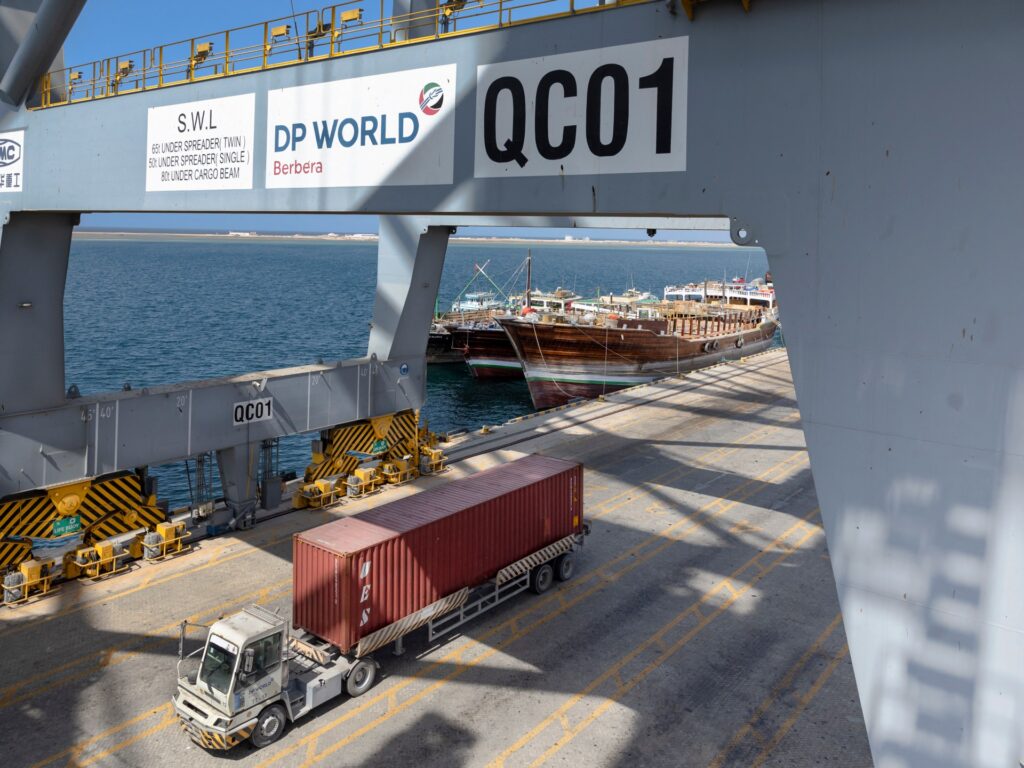
Since the federal government’s formation in 2012, Somalia has relied on external partners to rebuild its shattered institutions and to secure its long coastline. The United Arab Emirates emerged as a key benefactor, funding infrastructure projects and providing security assistance that helped curb piracy and bolster the Somali navy. In return, the UAE secured access to strategic ports in the semi‑autonomous Puntland region, notably the port of Bosaso, which it marketed as a hub for trade across the Horn of Africa.
The partnership, however, was never a simple donor‑recipient relationship. Puntland’s own leadership, especially former President Abdiweli Mohamed Ali (Gaashaan), cultivated close ties with Abu Dhabi, seeing the Emirati investment as a shortcut to economic development that the central government in Mogadishu could not deliver. This dual‑track diplomacy created a delicate balance: the federal government needed the UAE’s support, while regional elites in Puntland leveraged that support to expand their own political clout.
What triggered the break in 2026?
In early 2026 President Hassan Sheikh Mohamud announced a new maritime security framework that would place all major ports under direct federal oversight, citing concerns that foreign‑backed concessions were undermining Somalia’s sovereignty. The move directly challenged the UAE‑backed Bosaso concession, which had granted Emirati firms exclusive rights to develop a container terminal and a free‑zone warehouse complex.
According to Somali state media, the president’s decision was prompted by leaked documents suggesting that UAE‑linked companies were funneling revenue to political actors in Puntland who were opposed to the federal administration. Sources close to the president said the deal threatened to entrench a parallel power structure that could eventually split the country’s already fragile unity.
Why the rift matters for the Horn of Africa
The fallout reverberates far beyond the corridors of Mogadishu. The Red Sea and Gulf of Aden are among the world’s busiest shipping lanes, and any shift in control over Somali ports can affect global freight costs, oil transport, and the security of maritime trade. If the UAE loses its foothold in Bosaso, it may pivot to other coastal states such as Djibouti or Eritrea, reshaping the competitive landscape for port development in the region.
For neighboring Kenya and Ethiopia, the dispute signals a possible re‑alignment of trade routes. Both countries have invested heavily in the Lamu Port‑South Sudan‑Ethiopia Transport (LAPSSET) corridor, and a weakened Bosaso could redirect cargo volumes toward Lamu, boosting Kenya’s export potential. Conversely, Ethiopian exporters that rely on Bosaso as a gateway to the Indian Ocean may face higher logistics costs if the port’s operations are disrupted.
Reactions from African stakeholders and the diaspora
African Union officials have called for a diplomatic solution, warning that intra‑state conflicts could embolden extremist groups operating in the Sahel and the Somali hinterland. In a statement, AU Commissioner for Political Affairs Moussa Faki Mahamat urged “all parties to respect Somalia’s constitutional framework while preserving the economic interests of the broader continent.”
The Somali diaspora in the United Kingdom, United States, and Canada has also voiced concern. Community leaders argue that the dispute threatens remittance flows, as many expatriates invest in port‑related ventures and small‑scale trade. An informal poll conducted by the diaspora‑run platform SomaliConnect showed that 62 % of respondents feared the rift could lead to a decline in job opportunities for Somalis abroad.
What’s next? Possible scenarios and policy options
Analysts outline three plausible trajectories. The first is a negotiated settlement where the federal government grants limited autonomy to Puntland’s port operations in exchange for revenue‑sharing clauses that feed directly into Mogadishu’s budget. The second scenario envisions a hardline stance by the president, leading to the suspension of Emirati contracts and the invitation of alternative investors from China or Turkey, which could deepen Somalia’s dependence on non‑Western powers. The third, more destabilising outcome, involves a political showdown that could trigger armed clashes between federal forces and Puntland militias loyal to UAE‑backed leaders.
Regardless of the path taken, the international community is watching closely. The United Nations Office on Drugs and Crime (UNODC) has warned that any disruption to port security could create a vacuum for illicit trafficking, including weapons and narcotics. Meanwhile, the World Bank’s Somalia Country Office has signalled readiness to fund a transparent port‑management reform program, provided that the Somali government can demonstrate fiscal accountability and respect for existing trade agreements.
Quick Answers
What caused Somalia’s president to turn against the UAE in 2026?
President Hassan Sheikh Mohamud acted after learning that UAE‑backed port concessions in Puntland were allegedly channeling revenue to regional leaders who opposed his federal government.
How could the rift affect trade in the Horn of Africa?
A loss of UAE influence at Bosaso may shift cargo traffic to Kenyan ports like Lamu, raise shipping costs for Ethiopia, and alter the strategic balance of maritime routes through the Gulf of Aden.
What are the possible outcomes of the Somalia‑UAE dispute?
Experts see three paths: a revenue‑sharing compromise, a switch to new investors such as China or Turkey, or an escalation into armed conflict between federal and Puntland forces.
Source: www.aljazeera.com




💬 Comments 0