Anthrax kills dozens of wildlife in Zambia 2026, 12 people treated after eating infected meat
Background: Anthrax and Zambia's wildlife
Anthrax, caused by the bacterium *Bacillus anthracis*, is a long‑standing zoonotic disease in sub‑Saharan Africa. The spores can survive for decades in soil, resurfacing when grazing animals die and their carcasses decompose. Zambia, with its expansive national parks and game management areas, has recorded periodic anthrax flare‑ups, most notably in the Luangwa Valley in 2001 and again in 2015, each time prompting emergency vaccination of livestock.
The country's wildlife tourism sector, worth an estimated $300 million annually, depends on healthy animal populations in places like South Luangwa and Kafue National Parks. When anthrax strikes, it not only threatens animal welfare but also undermines visitor confidence, as tourists are wary of disease‑related health risks and park closures.
What happened this week: Dead animals and human cases
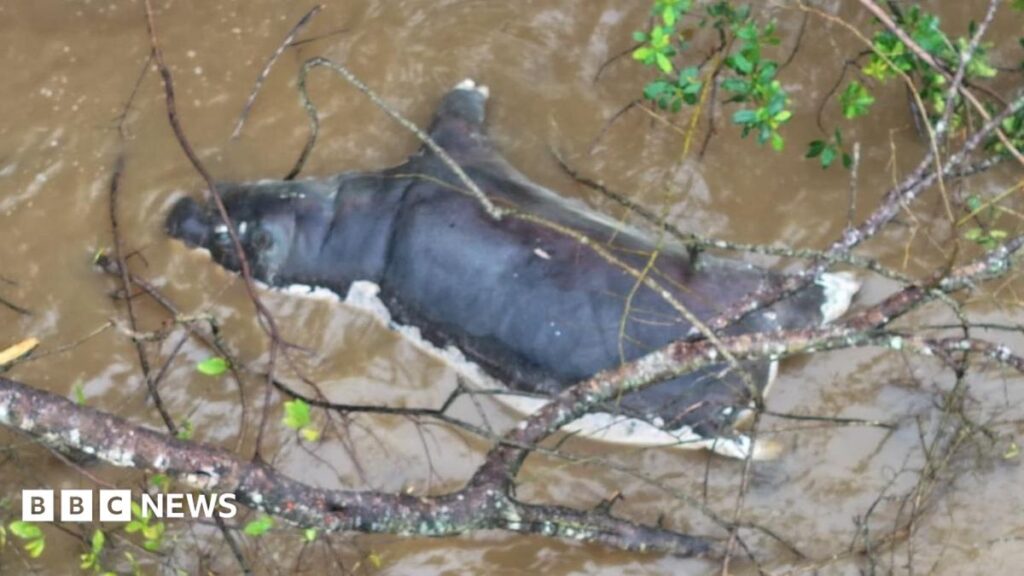
In early September 2026, park rangers discovered a cluster of dead antelopes, warthogs and a few zebras in the Mambwe‑Luangwa Conservation Area. Post‑mortem tests confirmed anthrax as the cause, marking the deadliest wildlife episode in the region in over a decade. Within days, at least twelve locals who had scavenged the carcasses and cooked the meat were admitted to hospitals in Mansa and Chipata with classic anthrax symptoms such as fever, severe skin lesions and respiratory distress.
Health officials say the patients are receiving a regimen of antibiotics and antitoxin therapy. While none of the cases have turned fatal so far, the situation has sparked urgent calls for a coordinated response that includes wildlife surveillance, livestock vaccination and public education on safe meat handling.
Why it matters: Food security, public health and the economy
For many rural Zambians, wildlife carcasses can represent a sudden, albeit risky, source of protein during lean seasons. The decision to eat infected meat reflects both economic desperation and limited awareness of disease transmission pathways. When anthrax spreads to humans, the burden falls on an already overstretched health system, diverting resources from routine services such as malaria control and maternal health.
Beyond immediate health costs, the outbreak threatens Zambia's lucrative wildlife‑based tourism. International tour operators often require proof of disease‑free environments before booking groups, and a high‑profile anthrax incident can lead to travel advisories, reduced visitor numbers and loss of revenue for communities that depend on park‑related jobs.
Regional ripple effects: Cross‑border trade and the diaspora
Zambia shares porous wildlife corridors with neighboring Tanzania, Malawi and the Democratic Republic of Congo. Spores carried by wind or migrating herbivores can easily cross borders, raising the spectre of a wider regional outbreak. The Southern African Development Community (SADC) has previously coordinated joint vaccination campaigns, and officials in Lusaka are now urging neighbouring ministries to synchronize surveillance data to prevent a trans‑national spread.
The Zambian diaspora in the United Kingdom, South Africa and the United States follows such news closely, as many maintain family ties in rural home villages. Remittances that support local food purchases could be redirected toward safer protein sources if anthrax scares persist, potentially altering consumption patterns and prompting diaspora‑led community projects focused on livestock health.
Response and next steps: One Health in action
The Ministry of Health, working with the Ministry of Tourism and the Zambia Wildlife Authority, has activated a One Health task force. This multi‑sectoral team will oversee mass vaccination of cattle and goats within a 20‑kilometre radius of the outbreak, distribute educational leaflets in local languages, and set up mobile clinics to monitor suspected cases.
International partners, including the World Organisation for Animal Health (WOAH) and the United Nations Food and Agriculture Organization (FAO), have pledged technical assistance and supplies of anthrax vaccine. Experts say that sustained funding for surveillance and community outreach is essential; otherwise, short‑term emergency measures risk being undermined by future flare‑ups.
Looking ahead: Lessons for climate‑linked disease risk
Scientists link rising temperatures and erratic rainfall patterns to increased anthrax activity across Africa. Drought‑stressed soils expose dormant spores, while heavy rains can spread them across grazing lands. Zambia’s 2026 outbreak may therefore be an early warning sign of a broader climate‑driven health challenge that will affect both wildlife and human populations.
Policy makers are now debating the integration of climate data into disease‑early‑warning systems. If successful, such tools could give park managers and farmers advance notice of high‑risk periods, allowing pre‑emptive vaccination and avoiding the tragic choice of eating unsafe meat.
Quick Answers
How many people have been treated for anthrax in Zambia after eating infected wildlife?
Twelve people have been admitted to hospitals for anthrax treatment after consuming meat from infected carcasses.
What steps is the Zambian government taking to stop the anthrax outbreak?
Authorities have launched a One Health task force to vaccinate livestock, issue public health warnings, and coordinate with regional partners for surveillance.
Will the anthrax outbreak affect tourism in Zambia's national parks?
Yes, the outbreak could lead to travel advisories and reduced visitor numbers, impacting the $300 million wildlife‑tourism sector.
Source: www.bbc.co.uk




💬 Comments 0