Anthropic CEO Dario Amodei urges global AI slowdown in 2026 amid safety fears
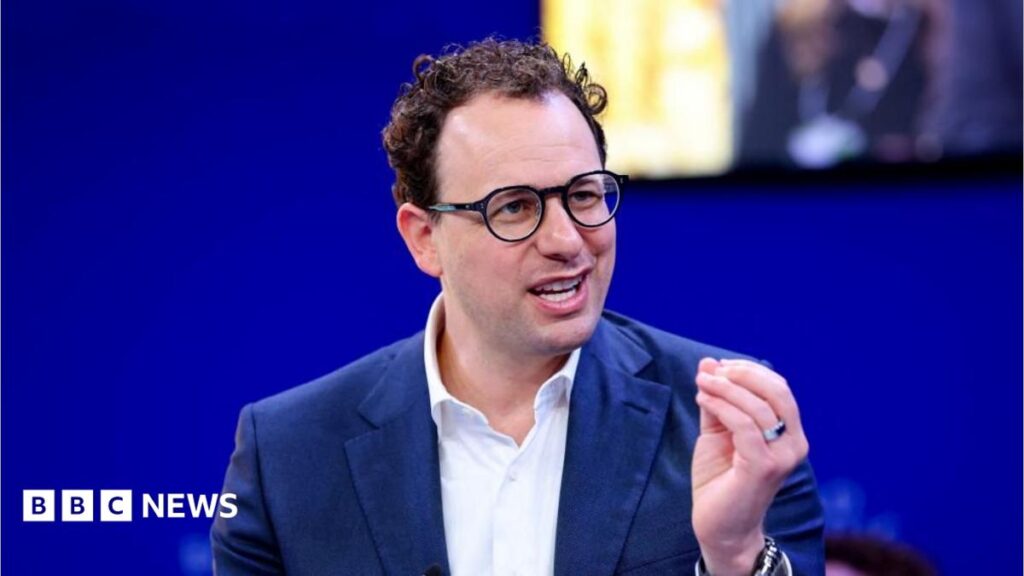
Background: Who is Dario Amodei and why his voice matters
Dario Amodei, co‑founder and chief executive of Anthropic, has spent the last decade shaping the frontier of large‑language models. Before Anthropic he led research at OpenAI, and his technical pedigree gives him credibility among both engineers and policymakers.
In a video interview released on September 11, Amodei warned that the pace of AI development is outstripping the ability of societies to put safeguards in place. He urged companies, investors, and governments to collectively hit the brakes until robust safety standards are agreed upon.
Anthropic itself has positioned safety as a core product principle, publishing a “Constitutional AI” framework that tries to align model behavior with human values. Amodei’s public appeal therefore signals a rare moment when a leading AI lab is openly calling for a self‑imposed moratorium rather than simply lobbying for regulation.
Why the slowdown call matters for the global tech economy
The rapid rollout of ever‑larger models has already reshaped sectors ranging from finance to healthcare, creating new revenue streams that some analysts estimate could be worth over $1 trillion by 2030. A coordinated slowdown could therefore delay a wave of investment, affecting venture capital pipelines and stock market valuations of AI‑centric firms.
More importantly, safety experts argue that unchecked scaling raises the risk of unintended harms—deepfakes that destabilise elections, automated weapon‑targeting errors, or large‑scale disinformation campaigns. Amodei’s plea reflects a growing consensus that the cost of a catastrophic failure could far outweigh short‑term profits.
Geopolitically, the United States, China, and the European Union are locked in a race to claim AI supremacy. A slowdown urged by a high‑profile U.S. entrepreneur could be interpreted as a strategic move to level the playing field, giving regulators time to draft cross‑border rules before the technology becomes too entrenched.
African stakes: how a global AI pause could ripple across the continent
Africa’s AI ecosystem is still nascent but accelerating. Nairobi, Lagos, and Cape Town host a growing number of startups that use large‑language models for local language translation, agricultural advice, and fintech services. These firms rely heavily on APIs from U.S. and Chinese providers, meaning any slowdown in model releases could delay product launches and revenue growth.
At the same time, many African governments lack comprehensive AI policies. Without clear safety guidelines, the continent could become a testing ground for risky deployments, as has happened with early mobile money pilots. A global pause would give policymakers a window to draft regulations that protect citizens while fostering home‑grown innovation.
Diaspora tech hubs in the UK and the U.S. are also watching the debate. Nigerian‑American AI researcher Dr. Adaeze Nwankwo told the *African Business Review* that “a coordinated slowdown would let us build capacity locally, train more African engineers, and avoid importing unsafe black‑box systems.” Her comment underscores a broader desire for technology sovereignty across the diaspora.
Reactions from the AI community and regulators
Major AI firms have offered mixed responses. OpenAI’s Sam Altman called the idea “well‑intentioned but impractical,” arguing that market forces will continue to push capabilities forward. Meanwhile, Microsoft’s chief AI officer, Kevin Scott, said the company is “exploring voluntary checkpoints” that could align with Amodei’s timeline.
Governments are beginning to take the warning seriously. The European Commission announced a fast‑track legislative package on AI risk assessment, citing Amodei’s remarks as part of the evidence base. In the United States, a bipartisan Senate subcommittee scheduled a hearing on AI safety for early 2027, with Amodei slated as a witness.
Civil‑society groups, especially those focused on digital rights in Africa, have welcomed the call. The African Digital Rights Initiative released a statement urging regulators to use any slowdown period to establish data‑privacy standards that reflect local linguistic diversity.
What could happen next: pathways to a measured AI rollout
One proposal gaining traction is a “tiered deployment” model, where the most powerful systems are only released to vetted partners after an independent audit. This approach mirrors the pharmaceutical approval process and could be piloted by a coalition of AI labs and standards bodies such as ISO and the IEEE.
Another avenue is the creation of an international AI safety fund, seeded by profits from high‑margin AI services. The fund would finance research into alignment techniques, especially those that address low‑resource languages spoken across Africa, thereby turning a slowdown into an opportunity for inclusive innovation.
For African entrepreneurs, the immediate challenge will be to diversify model sources and invest in on‑shore compute capacity. Some startups are already exploring open‑source alternatives like the EleutherAI suite, which can be fine‑tuned on local datasets without relying on external API throttles. The next six months could see a surge in such home‑grown solutions if the global community heeds the slowdown call.
Quick Answers
What did Anthropic CEO Dario Amodei ask the tech industry to do?
He urged companies, investors and governments to pause the rapid scaling of AI models until robust safety standards are in place.
How could an AI slowdown affect African startups?
It may delay access to the latest large‑language models, but it also gives African regulators and entrepreneurs time to build local capacity and safety frameworks.
Is there any official plan to implement a global AI moratorium?
No formal moratorium exists yet, but proposals such as tiered deployment and an international safety fund are being discussed by industry groups and policymakers.
Source: www.bbc.co.uk




💬 Comments 0