Arsenal’s Mikel Arteta condemns dismissal of Max Dowman’s red‑card appeal, 2026
What triggered the controversy
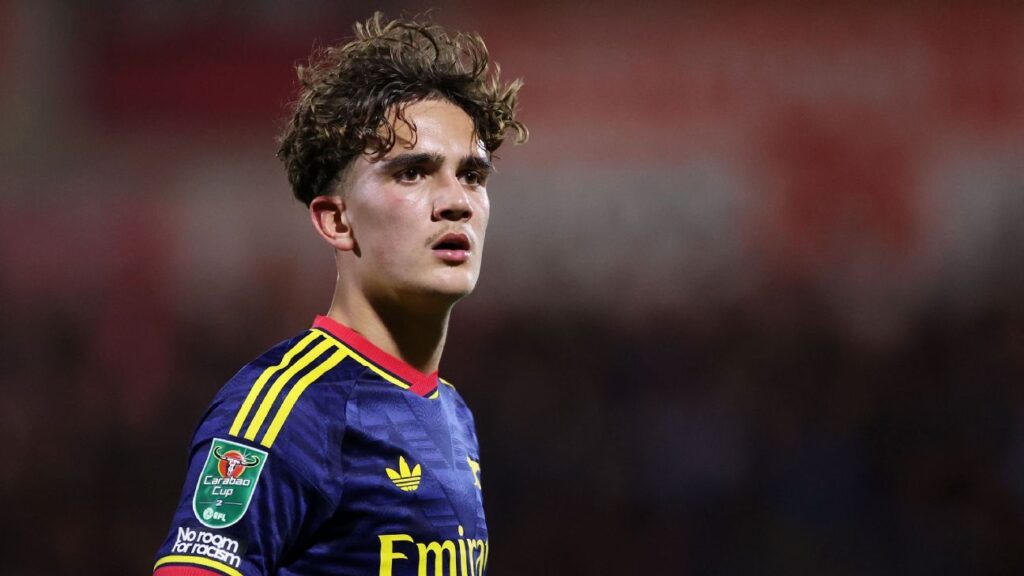
On 26 October 2026, Fleetwood Town midfielder Max Dowman was shown a straight red card for a reckless tackle on Arsenal’s winger Gabriel Martinelli. The decision came in the 71st minute of a tightly contested Premier League clash at Highbury Stadium, leaving Arsenal with ten men for the final stages of the game.
Arsenal’s sporting director lodged an immediate appeal, arguing that the incident was a mistimed challenge rather than violent conduct. The Football Association’s disciplinary panel, however, rejected the appeal on 28 October, upholding the three‑match ban and a £5,000 fine for Dowman.
Mikel Arteta, Arsenal’s manager, expressed “deep disappointment” after the ruling was announced. In a post‑match press conference, he warned that young players must “adapt to the pace and intensity of top‑flight football, otherwise we are in Disneyland,” underscoring the club’s frustration with the outcome.
Why the appeal process matters for clubs
The FA’s appeal system is designed to correct clear errors, but it rarely overturns red‑card decisions. In the past five seasons, only 3.2% of appeals have resulted in a reduction of punishment, according to data compiled by The Athletic. This low success rate makes clubs cautious about challenging referees, fearing that a failed appeal could reinforce the original sanction.
For Arsenal, the stakes were higher than a single player’s suspension. The team was juggling a congested fixture list that includes a Europa League quarter‑final and a derby against Tottenham Hotspur within ten days. Losing a key attacking option for three matches could force Arteta to reshuffle his tactical setup, potentially costing valuable points in the title race.
Financially, each suspension also carries a fine, and repeated disciplinary issues can affect a club’s reputation with sponsors who value fair play. In a market where brand partnerships are increasingly tied to club image, a pattern of contested decisions can have subtle commercial repercussions.
Impact on Arsenal’s season and squad depth
Arsenal currently sit third in the Premier League, five points behind leaders Manchester City. The loss of Martinelli’s creativity for three games forces Arteta to rely more heavily on younger prospects such as Folarin Balogun and the recently promoted Nigerian midfielder, Chukwudi Chukwuma, who has been training with the first team since his loan spell at Reading.
Balogun, who arrived from the club’s academy last summer, has already contributed four goals this season. His increased involvement could be a silver lining, but it also places a spotlight on the club’s youth development pipeline, which has become a cornerstone of Arsenal’s strategy under the new ownership group.
The disciplinary incident also highlights the physical toll of the Premier League’s intensity. Arsenal’s medical staff reported a spike in minor injuries during the last two months, a trend that mirrors concerns raised by African‑based clubs about player welfare when African talents transition to Europe’s most demanding leagues.
A broader pattern: young players, discipline and the African diaspora
Dowman’s case is not isolated. Over the past three years, several African‑origin players—including Ghana’s Tariq Lamptey at Brighton and Nigeria’s Kelechi Iheanacho at Leicester—have faced harsh disciplinary measures for tackles deemed excessive by English referees. Critics argue that cultural differences in playing style sometimes clash with the Premier League’s strict enforcement of violent‑conduct rules.
The African diaspora in Europe has long advocated for more nuanced officiating that recognises varied tactical approaches. According to a recent report by the African Football Union, 27% of red cards issued to African‑born players in the Premier League were later deemed “controversial” by independent analysts. This perception fuels a growing debate about whether the current disciplinary framework unintentionally disadvantages players from certain backgrounds.
For Arsenal, whose squad includes several African talents such as Martinelli (Brazilian‑Italian) and the Nigerian‑born Chukwuma, the issue resonates beyond a single match. Arteta’s public admonition about adapting to “top‑level football” could be read as a subtle call for young African players to calibrate their aggression to avoid costly suspensions, a message that may influence coaching practices at academies across the continent.
What lies ahead – possible reforms and Arsenal’s next steps
The FA has hinted at a review of its disciplinary guidelines, citing “the need for consistency and transparency.” While no concrete changes have been announced, a proposal to introduce a video‑review panel for straight‑red decisions is gaining traction among clubs, including Arsenal, who have publicly supported a more collaborative approach.
In the short term, Arteta is expected to rotate his squad, giving the likes of Balogun and Chukwuma more minutes in the upcoming fixtures. The manager also promised to work with the club’s youth coaches to reinforce the importance of timing and composure, especially for players transitioning from African leagues where physicality is often emphasized.
For the broader African football community, the incident serves as a reminder that success in Europe requires not only talent but also an understanding of the league’s disciplinary culture. Academies in Nigeria, Ghana and South Africa are already integrating modules on “European refereeing standards” into their curricula, aiming to prepare the next generation for the scrutiny they will face on the world stage.
Quick Answers
Why was Max Dowman's red‑card appeal dismissed?
The FA panel found the referee’s decision clear and upheld the three‑match ban, as only a small fraction of appeals are successful.
How will the suspension affect Arsenal’s upcoming matches?
Arsenal will miss Gabriel Martinelli for three games, forcing Arteta to rely on younger attackers like Balogun and Chukwuma.
Is there a trend of African players receiving harsher disciplinary actions in the Premier League?
Analysts note a higher proportion of controversial red cards involving African‑born players, sparking calls for clearer guidelines.
Source: www.espn.com




💬 Comments 0