Atiku Abubakar says he and Olusegun Obasanjo recovered stolen funds for Nigeria in 1999, kept 5% commission
A history of asset recovery in Nigeria
Since the return to civilian rule in 1999, Nigeria has grappled with the massive outflow of public money through embezzlement, fraud and illicit financial flows. The country’s first democratic administration, led by President Olusegun Obasanjo and Vice‑President Atiku Abubakar, inherited an estimated $30 billion in missing assets, according to the United Nations Office on Drugs and Crime. Early attempts to trace and repatriate those funds were hampered by weak institutions, limited forensic capacity and political interference.
In 2003 the government established the Presidential Asset Recovery Commission (PARC), a body modelled on similar agencies in Kenya and South Africa, tasked with locating, freezing and returning stolen assets. PARC’s early successes, such as the recovery of a $2.5 million bank account linked to a former state governor, were celebrated but also exposed the challenges of cross‑border cooperation and the need for robust legal frameworks.
The broader African context shows a mixed record: while some nations like Rwanda have reclaimed billions through aggressive asset‑recovery strategies, others remain stuck in a cycle of promises without tangible returns. Nigeria’s experience mirrors this pattern, where high‑profile declarations often outpace the actual cash that reaches the treasury.
What Atiku claimed – a 5 % “recovery fee”
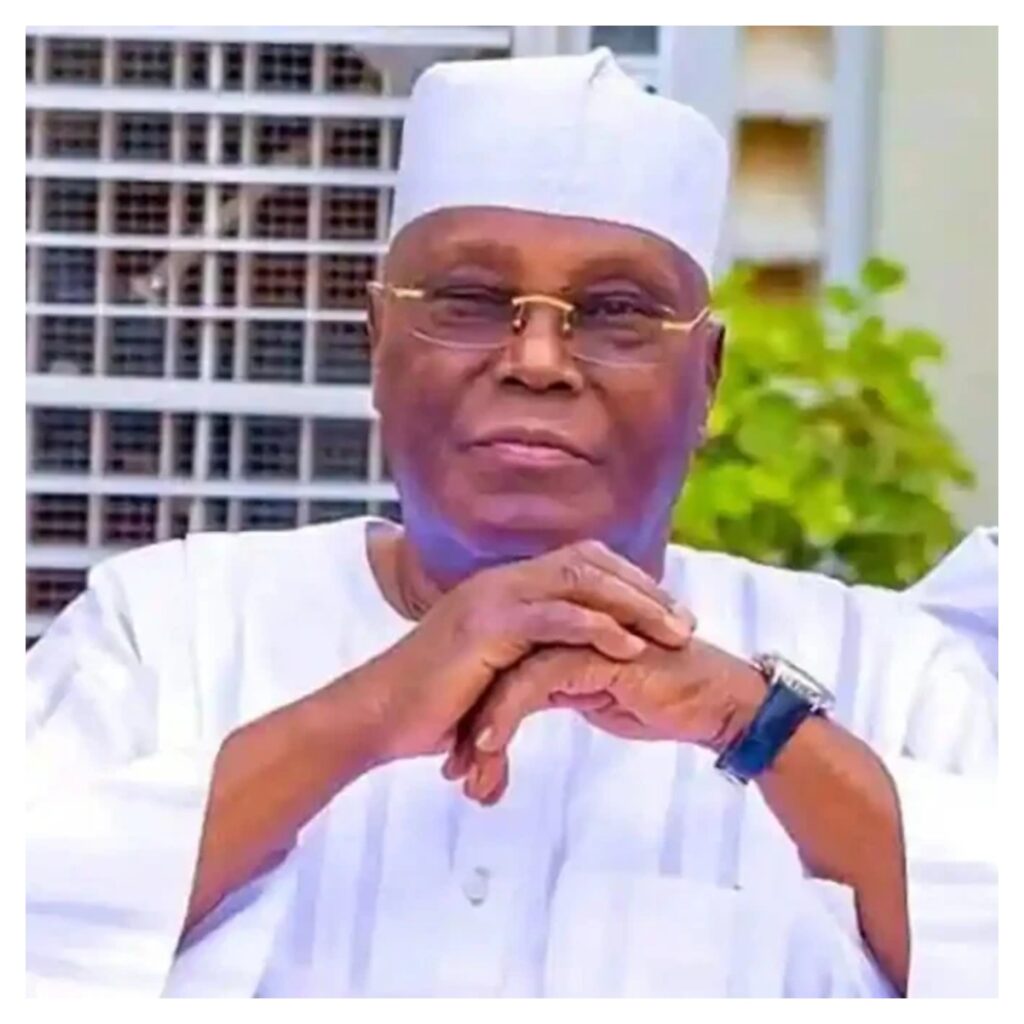
Speaking to journalists on Wednesday, Atiku Abubakar, now the African Democratic Congress (ADC) presidential hopeful, recounted a private negotiation he says he and Obasanjo carried out shortly after taking office in 1999. According to Atiku, the duo contacted every individual suspected of siphoning public funds and offered them a deal: return the full amount in exchange for a five‑percent commission for the government’s “recovery team.”
He insisted the arrangement was a pragmatic compromise, designed to break the deadlock that ordinary prosecution could not achieve. “We asked them to give back everything, but we allowed them to keep five per cent as a goodwill gesture,” Atiku told the press. The claim, however, lacks corroborating documentation and has not been independently verified by PARC or the Ministry of Finance.
Critics, including anti‑corruption NGOs such as CLEEN Foundation, argue that the alleged “fee” could have set a dangerous precedent, effectively legitimising a form of state‑sanctioned kleptocracy. They note that official asset‑recovery guidelines in Nigeria do not permit a profit‑sharing model, and that any such payout would have required parliamentary approval, which records do not show.
Why the story matters for Nigeria’s politics and economy
The timing of Atiku’s revelation is significant: Nigeria is gearing up for the 2027 general election, and anti‑corruption credentials have become a decisive voter issue. By positioning himself as a “recoverer of stolen wealth,” Atiku hopes to differentiate his ADC platform from the ruling All Progressives Congress (APC) and the People’s Democratic Party (PDP), both of which have faced recent scandals involving missing oil revenues and inflated procurement contracts.
For the Nigerian diaspora, the claim touches on a long‑standing grievance: billions of dollars that could have funded health, education and infrastructure remain locked abroad. Remittances from Nigerians living overseas already constitute about $30 billion annually, and many in the diaspora view successful asset recovery as a prerequisite for confidence in local investment. If Atiku’s story were substantiated, it could spark renewed calls for transparent mechanisms that allow expatriates to track and claim back illicitly transferred assets.
Economically, even a modest influx of recovered funds could help narrow the fiscal gap that forced the government to rely heavily on external borrowing. The IMF’s latest country report warned that Nigeria’s debt‑to‑GDP ratio could breach 50 % by 2028 if growth stalls. A credible recovery of, say, $500 million would not solve the debt problem but would signal that the state can enforce accountability, potentially lowering borrowing costs and attracting private capital.
What comes next – reforms, legal battles and electoral stakes
In the wake of Atiku’s statements, civil society groups are demanding an audit of all asset‑recovery deals signed between 1999 and 2007. A coalition of NGOs has filed a petition with the Federal High Court in Abuja, seeking a judicial review of any “commission‑based” agreements that may contravene Nigeria’s Public Procurement Act and the Economic and Financial Crimes Commission (EFCC) guidelines.
The government’s response has been cautious. A spokesperson for the Ministry of Finance said that the administration is reviewing historical records but emphasized that current recovery efforts follow the 2015 Asset Recovery Act, which mandates that recovered proceeds be deposited directly into the Consolidated Revenue Fund. No official comment was made on the alleged five‑percent fee, leaving the issue in a legal gray area.
Politically, the claim could reshape campaign narratives. If Atiku can convincingly argue that he helped retrieve stolen money, he may attract voters disillusioned by the “no‑one‑does‑anything” perception of the current leadership. Conversely, opponents may weaponise the story to accuse him of condoning corruption. The coming months will likely see a flurry of investigative journalism, parliamentary hearings and possibly new legislation aimed at tightening the rules around asset recovery and profit‑sharing.
Quick Answers
Did Atiku Abubakar and Olusegun Obasanjo actually recover stolen money for Nigeria?
Atiku claims they negotiated a deal in 1999 allowing corrupt officials to return funds while keeping a 5 % fee, but no official records have confirmed the arrangement.
How would recovered funds impact Nigeria’s economy?
Even modest recoveries could reduce the fiscal gap, improve investor confidence and help lower borrowing costs, though they would not alone solve the country’s debt challenges.
What legal mechanisms exist in Nigeria to recover stolen assets?
Nigeria uses the Presidential Asset Recovery Commission (PARC) and the 2015 Asset Recovery Act, which require recovered proceeds to be deposited into the national treasury.
Source: dailypost.ng

💬 Comments 0