Australian children’s author Craig Silvey jailed for child exploitation offences in 2026 – impact on global publishing and African markets
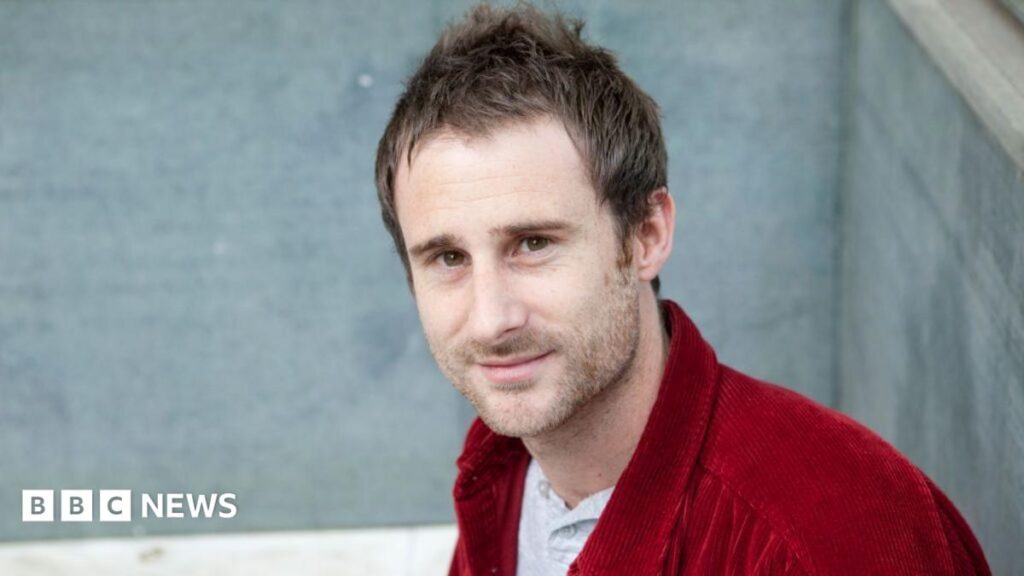
Background: a beloved name in Australian youth literature
Craig Silvey rose to fame with the 2009 novel *Jasper Jones*, a coming‑of‑age story that became a staple in Australian high‑school curricula and was later adapted for film. In the years that followed he expanded into picture books for younger readers, most notably *Runt*, a whimsical tale about a mischievous puppy that sold millions of copies worldwide.
Silvey’s books have been translated into more than 20 languages and are frequently stocked in libraries across Africa, where Australian titles are prized for their literary quality and relatable themes. Teachers in South Africa, Kenya and Nigeria have used *Jasper Jones* to discuss issues of racism and belonging, while *Runt* has found a place on early‑learning shelves in Lagos and Nairobi.
The crime and conviction: a swift legal process
Police raided Silvey’s Melbourne home in February 2026 after an online tip led investigators to suspect the author of possessing illegal images of minors. The raid uncovered thousands of files, prompting charges of child exploitation offences under the Commonwealth Criminal Code.
Silvey pleaded guilty in May 2026, acknowledging the material and expressing remorse. The court sentenced him to five years in prison, with a non‑parole period of three years, and ordered the forfeiture of all digital devices used in the offence. According to ABC News, the judge highlighted the breach of public trust that comes with an author who writes for children.
Immediate fallout for the publishing world
The publisher, Penguin Random House Australia, announced an immediate halt to all print runs of Silvey’s titles and began the process of pulling existing stock from major retailers. The move mirrors earlier industry reactions to misconduct by authors, such as the 2022 removal of J.K. Rowling’s works from school reading lists after controversial statements.
Booksellers in Australia reported a sharp decline in sales of Australian children’s literature in the week after the sentencing, with some retailers replacing Silvey’s titles with local authors to reassure parents. The incident has reignited debate about the adequacy of background checks for authors who work with minors, a topic that had previously received little attention in the publishing sector.
What it means for African markets and diaspora readers
African schools and libraries that have purchased *Jasper Jones* and *Runt* are now faced with a dilemma: keep the books for their literary value or withdraw them to avoid association with a convicted offender. In South Africa, the Department of Basic Education issued a temporary advisory urging teachers to review classroom material, while in Kenya, a leading book distributor announced a review of all Australian titles linked to Silvey.
The episode also highlights the vulnerability of African readers to scandals that originate far from the continent. Many African publishers rely on foreign titles to fill gaps in local production, and a high‑profile case like Silvey’s can trigger a broader re‑evaluation of import policies, potentially opening space for home‑grown writers to fill the void.
Broader trends: safeguarding in children’s publishing
Silvey’s conviction arrives at a time when the global publishing industry is tightening its safeguarding protocols. After the 2020 #MeToo wave, several major houses introduced mandatory background checks for authors who attend school visits or run writing workshops. The Australian Association of Publishers announced in July 2026 that it will require all contracted children’s authors to submit a recent police clearance and undergo a safeguarding training module.
These steps are being watched closely by African literary bodies such as the African Publishers’ Association, which has called for a continent‑wide framework to protect young readers. The Silvey case provides a concrete example of why such measures are needed, reinforcing calls for a unified African child‑protection standard in publishing.
Looking ahead: reforms and the future of Silvey’s legacy
Legal experts predict that the sentencing will set a precedent for harsher penalties in future Australian cases involving digital child‑exploitation material, especially when the offender holds a public‑facing role. In the meantime, literary scholars are debating whether Silvey’s works should be re‑evaluated through a critical lens or simply left to stand on their own artistic merit.
For African readers, the key takeaway may be the opportunity to champion local voices. With the sudden withdrawal of Silvey’s books, publishers across Nigeria, Ghana and Tanzania are already negotiating contracts with emerging illustrators and writers, hoping to fill the gap left by a once‑popular foreign author.
Quick Answers
What crimes was Craig Silvey convicted of?
He pleaded guilty to possessing illegal images of minors, a child exploitation offence under Australian law.
How will Silvey's conviction affect Australian books sold in Africa?
Schools and libraries are reviewing his titles, and some distributors are pulling them, which could lead to increased demand for African‑written children’s books.
What new safeguarding measures are being introduced in publishing?
Publishers are now requiring police clearances and mandatory safeguarding training for authors who create or promote children’s literature.
Source: www.bbc.co.uk




💬 Comments 0