Syria‑EU talks 2026 focus on repatriation: What it means for migrants and African diaspora
Background: A decade of sanctions, war and migration
Since the outbreak of the Syrian civil war in 2011, the European Union has layered sanctions on the Assad regime, while simultaneously funding humanitarian aid for millions of displaced Syrians. The EU’s approach has been a mix of pressure and protection, aiming to curb human‑rights abuses without abandoning the people fleeing the conflict.
Over the past ten years, more than 1.2 million Syrians have sought asylum in EU member states, making Syria one of the continent’s largest source countries for refugees. The influx has strained border agencies, fueled political debates on migration policy, and prompted the EU to look for long‑term solutions beyond ad‑hoc emergency assistance.
The latest round of talks: Trade, politics and a repatriation agenda
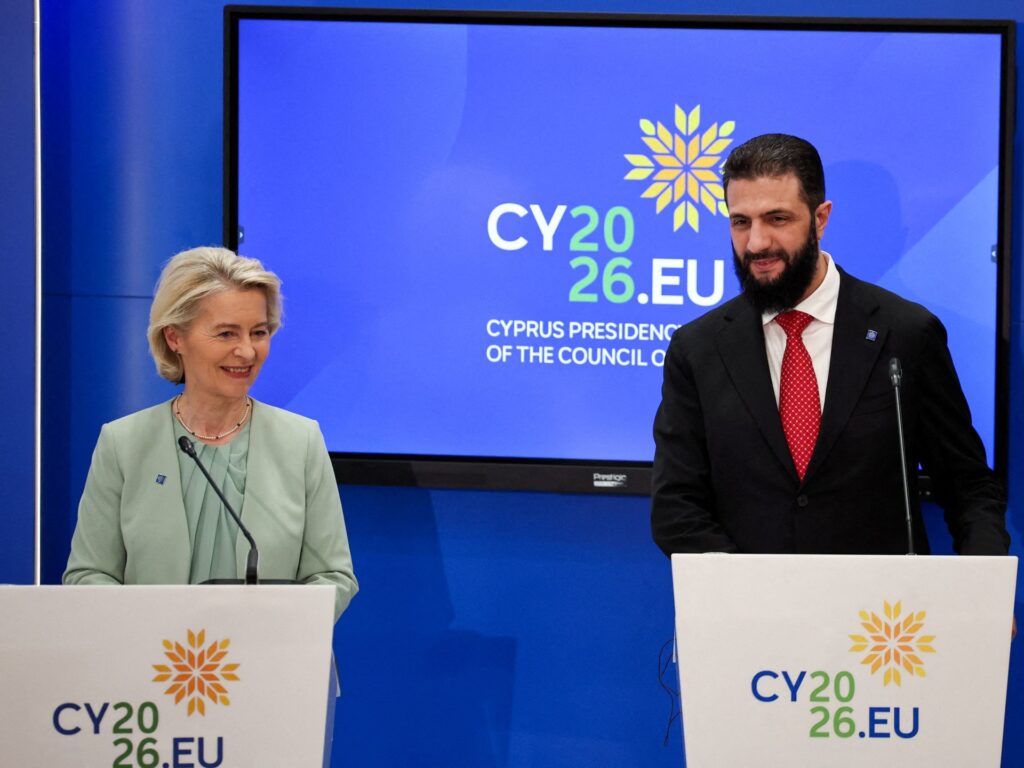
In early November 2026, senior diplomats from Damascus and Brussels met in Brussels for the first formal dialogue on normalising trade and political ties since the EU re‑imposed sanctions in 2020. The agenda included a modest lift on certain agricultural tariffs, a framework for limited Syrian participation in EU‑funded reconstruction projects, and, crucially, a joint working group on the voluntary return of Syrian refugees.
Sources close to the negotiations told Reuters that EU officials view repatriation as a prerequisite for any substantive trade concession. The working group will assess the capacity of Syrian authorities to guarantee safety for returnees, while the EU will consider scaling back funding for refugee reception centres if a credible return pathway is established.
Why migration dominates the conversation
Even though trade and political rapprochement are on the table, migration remains the most politically sensitive issue for both sides. For the EU, the prospect of a steady stream of returnees could ease the pressure on national asylum systems that have been stretched thin by recent arrivals from Ukraine, Afghanistan and sub‑Saharan Africa.
For Syria, the prospect of repatriation is a diplomatic win that would allow the regime to claim progress on rebuilding a war‑torn society. However, human‑rights groups warn that many Syrians still face persecution, lack of housing and limited access to basic services, making large‑scale voluntary return risky.
African angle: How the talks could reshape migration routes for African migrants
The EU’s focus on Syrian repatriation cannot be viewed in isolation from its broader migration agenda, which also encompasses African migrants from Sudan, Eritrea and the Horn of Africa. Those countries share the same Mediterranean crossing points that have become congested with Syrian boats in recent years.
If the EU secures a formal repatriation mechanism for Syrians, it may tighten border controls along the same routes, potentially diverting African migrants toward more dangerous pathways through Libya or the Western Sahara. NGOs such as the African Diaspora Network in Europe have warned that a policy shift could increase mortality rates among African boat‑people, echoing patterns seen after the 2015 EU‑Turkey deal.
Reactions from stakeholders: Diplomats, NGOs and the diaspora
EU foreign policy chief Josep Borrell said in a press briefing that “a responsible partnership with Syria must include realistic solutions for people who have been displaced for more than a decade.” He stressed that any repatriation would be strictly voluntary and monitored by UNHCR.
Syrian opposition figures, speaking to Al Jazeera, called the talks a “publicity stunt” that ignores the ongoing crackdown on dissent. Meanwhile, African diaspora organisations in cities like Berlin and Paris have issued statements urging the EU to ensure that any tightening of Syrian routes does not inadvertently criminalise African migrants or cut off humanitarian assistance.
What’s next: Possible scenarios and their impact on Europe and Africa
The next step is the formation of the EU‑Syria Repatriation Working Group, slated to convene in early 2027. Its first task will be to draft a set of safety guarantees that the Syrian government must meet before any return programme can be launched. If the EU deems these guarantees insufficient, it may keep sanctions in place, limiting trade benefits for Damascus.
For African migrants, the outcome could mean a recalibration of EU border‑management tactics. A successful Syrian repatriation model might inspire similar arrangements with Sudan or Eritrea, potentially leading to a tiered system where some nationalities receive “managed return” pathways while others face stricter entry barriers. The diaspora community will be watching closely, as any shift could affect family reunification, remittance flows and the political leverage African NGOs hold in Brussels.
Quick Answers
What is the main issue being discussed in the 2026 Syria‑EU talks?
The talks centre on normalising trade and political ties, but the EU is making repatriation of Syrian refugees the key condition for any progress.
How could the Syria‑EU negotiations affect African migrants in Europe?
If the EU tightens Syrian return pathways, it may also tighten Mediterranean borders, pushing African migrants toward riskier routes and potentially prompting new EU‑Africa migration agreements.
When is the EU‑Syria Repatriation Working Group expected to meet?
The working group is scheduled to convene in early 2027 to draft safety guarantees for any voluntary return programme.
Source: www.aljazeera.com




💬 Comments 0