Aztec Manuscript Returns to Mexico After 186 Years in France’s National Library
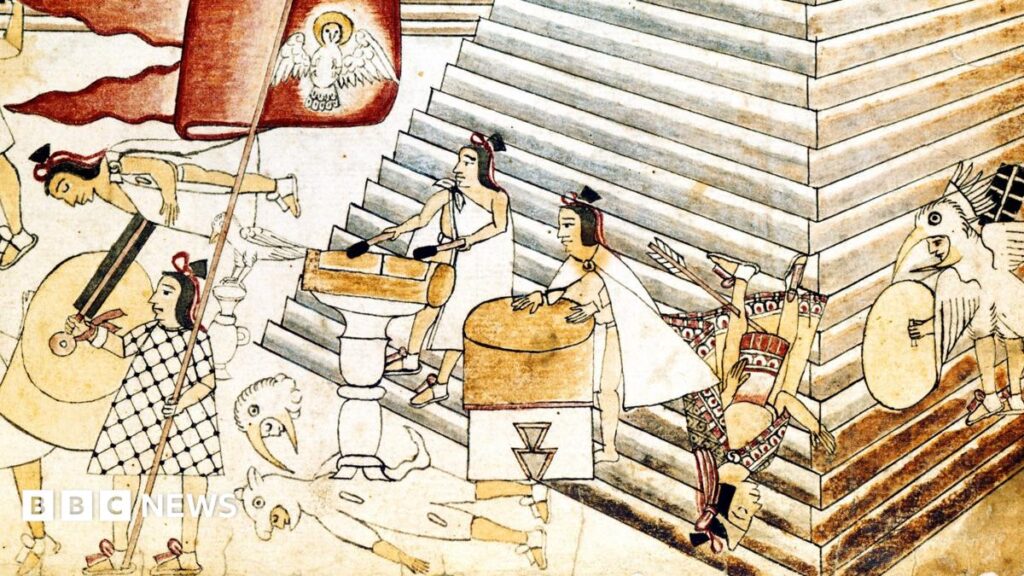
A Rare Aztec Chronicle Returns Home
After more than a century and a half abroad, a priceless codex that records the early history of the Aztec empire is finally back on Mexican soil. The manuscript, known as the Codex Azcatitlan, will open at the National Museum of Anthropology in Mexico City later this month, marking the first public display of the work in its country of origin since it left in 1840.
The codex, written in both Nahuatl and pictographic script, offers a unique indigenous perspective on the rise of Tenochtitlán, the Spanish conquest, and the early colonial period. Its return is being celebrated by scholars, indigenous activists, and cultural officials as a symbolic correction of a historical wrong that began during the era of European imperialism.
The Journey of the Manuscript: From 19th‑Century Capture to 2026 Repatriation
The codex was acquired by French collector Eugène Guerin in the early 1840s, shortly after Mexico’s independence, and subsequently donated to the Bibliothèque nationale de France. For 186 years it sat in the library’s rare‑books vault, largely inaccessible to the Mexican public and researchers.
Negotiations for its return began in earnest in 2022, when Mexico’s Ministry of Culture formally requested the loan under a bilateral cultural‑heritage agreement. According to a statement from the French library, the decision to lend the codex was driven by “a shared commitment to the ethical stewardship of world heritage.”
Why the Return Matters for Mexico and Indigenous Voices
Beyond its artistic and historical value, the codex is a living document of Nahua knowledge. Its repatriation enables Mexican scholars to study the text alongside other regional archives, fostering a more nuanced reconstruction of pre‑colonial and early colonial history that has long been filtered through European eyes.
Indigenous organizations see the return as a step toward recognizing the rights of native peoples to control their cultural patrimony. “When an Aztec manuscript is displayed in Mexico, it is not just about a book; it is about the affirmation of a living culture that survived conquest,” said María López, a spokesperson for the Nahua Cultural Council.
A Global Shift: Restitution of Cultural Treasures and the African Parallel
The Codex Azcatitlan’s journey mirrors a broader wave of restitution claims sweeping museums and libraries worldwide. In the past five years, European institutions have returned dozens of African artefacts, including the Benin Bronzes and looted Ethiopian church manuscripts, after sustained pressure from source nations and diaspora activists.
African leaders and cultural advocates have pointed to the Mexican case as a model for how diplomatic channels, scholarly cooperation, and public awareness can converge to achieve repatriation. “The principle is the same,” noted Dr. Samuel Adebayo of the University of Lagos, “whether it’s an Aztec codex or a Benin bronze, the rightful custodians are the communities that created them.”
What Comes Next: Exhibitions, Research, and Legal Frameworks
The National Museum of Anthropology plans a three‑month exhibition that will pair the codex with contemporary Nahua art, creating a dialogue between past and present. Interactive digital copies will also be made available to schools across Mexico, expanding access beyond the museum walls.
Legal scholars say the loan could set a precedent for future agreements that move beyond temporary loans toward permanent repatriation. The 2024 UNESCO Convention on the Return of Cultural Property, which Mexico ratified in 2023, provides a framework that many African nations are now invoking to demand the return of their own heritage items.
Quick Answers
When will the Aztec codex be displayed in Mexico?
The Codex Azcatitlan is scheduled to open at the National Museum of Anthropology in Mexico City in October 2026.
Why is the codex important for indigenous communities?
It records Nahua history in their own language and symbols, giving indigenous peoples a primary source to assert their cultural identity and historical narrative.
How does this repatriation relate to African artefact restitution?
Both involve the return of cultural items taken during colonial periods, and the Mexican case is cited by African advocates as an example of successful diplomatic negotiation for heritage restitution.
Source: www.bbc.co.uk




💬 Comments 0