Bandit Kingpins Spotted in Nigerian Senator’s Home in D English Alhaji Video – 2026 Fallout
Banditry’s Rise and Its Political Roots
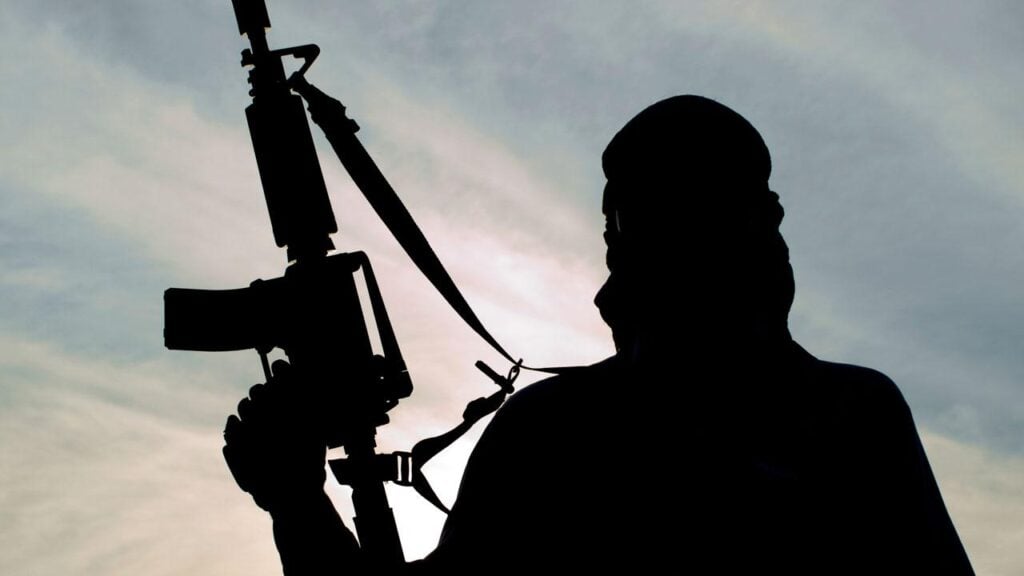
Over the past decade, Nigeria’s north‑central and north‑western states have seen a surge in organised bandit groups that kidnap, loot villages and attack security forces. The phenomenon accelerated after the 2020‑2022 livestock‑theft crises, when loosely‑armed gangs found lucrative markets for cattle and ransom payments. By 2024, estimates from the International Crisis Group placed the number of active bandit outfits at over 30, each commanding dozens of heavily‑armed fighters.
Scholars and security analysts argue that the bandit problem is not purely a criminal issue but is intertwined with political patronage. Politicians seeking votes in rural constituencies have historically courted local strongmen, offering protection or impunity in exchange for electoral support. This patron‑client relationship has allowed some bandit leaders to embed themselves in local power structures, blurring the line between outlaw and local authority.
The federal government’s response has been a patchwork of military operations, community vigilante programmes and occasional amnesties. While the army has launched several offensives, success has been limited because many operations lack clear intelligence and face logistical challenges. Meanwhile, the proliferation of small‑arms from regional conflicts has kept the firepower gap wide open, ensuring that bandits remain a potent force on the ground.
The Alleged Discovery Inside a Senator’s Residence
On Saturday, popular Nigerian digital creator D English Alhaji posted a short video on X (formerly Twitter) that allegedly shows several men, identified by local observers as high‑profile bandit kingpins, inside the private residence of an unnamed senator in the capital. The video, lasting less than a minute, captures the men moving through a hallway and sitting on a sofa, with no overt signs of weaponry but with distinctive tattoos and scar patterns that bandit watchers say match known fugitives.
Alhaji’s post did not name the senator, citing “security concerns,” but the caption hinted that the men were “the same faces that have terrorised our villages for years.” Commenters on the platform quickly linked the footage to three bandit leaders who have been on Nigeria’s most‑wanted list since 2022, though no official verification has been offered by law‑enforcement agencies. The video has since been shared by several diaspora pages, sparking heated debate about the extent of political collusion.
Government spokespeople, when approached for comment, described the clip as “unverified material” and warned that the circulation of such content could inflame tensions in already volatile regions. No formal investigation has been announced, and the senator’s office has remained silent, fueling speculation that the matter may be handled behind closed doors.
Why This Matters for Nigeria’s Security Landscape
If the footage proves accurate, it would be a stark illustration of how deeply bandit networks have infiltrated Nigeria’s political elite. Such a link could undermine public confidence in the federal response to banditry, especially as the 2027 general elections loom. Voters in the affected northern states have already expressed frustration that security promises remain unfulfilled, and any perception of elite complicity could swing undecided voters toward opposition candidates promising a hardline crackdown.
The incident also raises concerns for international partners who fund counter‑insurgency programmes in Nigeria. The United States and the European Union have earmarked over $200 million for security sector reform and community resilience projects. Evidence that elected officials may be sheltering perpetrators could jeopardise future aid, prompting donors to tighten oversight or redirect funds toward civil‑society organisations instead of government channels.
For the diaspora, the story resonates strongly because many Nigerians abroad have invested in northern real estate and agricultural ventures that are now vulnerable to bandit extortion. A perception that political protection is selective could deter further investment, slowing a nascent trend of diaspora‑led agribusiness that has been touted as a solution to food‑security challenges.
A Growing Pattern: Politicians and Criminal Networks Across Africa
Nigeria is not alone in grappling with the nexus between elected officials and armed groups. In the Sahel, reports have surfaced of lawmakers maintaining covert ties with jihadist factions for electoral leverage, while in the Democratic Republic of Congo, provincial governors have been accused of granting mining licences to militia commanders. These patterns suggest a broader continental challenge where weak institutions, patronage politics, and lucrative illegal economies intersect.
Researchers at the African Centre for the Study of Conflict note that when politicians provide safe havens for armed actors, the result is a “dual‑legitimacy” that emboldens criminals to act with impunity. This dynamic also hampers regional security cooperation, as neighbouring states become wary of sharing intelligence with governments that may be protecting the very actors they are fighting.
The current episode adds a digital‑media dimension to the phenomenon. Social media influencers like D English Alhaji can amplify allegations in real time, bypassing traditional gatekeepers. While this can pressure authorities to act, it also risks spreading unverified claims that may inflame ethnic or regional tensions. The balance between whistle‑blowing and responsible reporting is therefore a new frontier for African journalism.
What Could Happen Next? Legal, Political and Social Scenarios
In the short term, the Senate Ethics Committee may be called upon to investigate the matter, especially if opposition parties seize on the video to demand a formal inquiry. A public hearing could force the senator to either deny involvement or face potential suspension, depending on the outcome of any forensic analysis of the video footage.
On the security front, the Department of State Services (DSS) might launch a covert operation to verify the identities of the men shown. If the individuals are indeed on the most‑wanted list, a high‑profile arrest could be staged to showcase the government’s resolve, though critics warn that such a move could be staged for optics rather than justice.
Longer‑term implications could include legislative reforms aimed at tightening disclosure requirements for public officials’ property holdings and guest registries. Civil‑society groups have already called for a national register of all individuals with pending criminal cases, arguing that transparency is essential to break the cycle of patronage. Whether these proposals gain traction will depend on the political will of the ruling party and the pressure exerted by both domestic activists and the international community.
Quick Answers
Who are the bandit kingpins alleged to be in the senator’s house?
The men in the video have been linked by local observers to three bandit leaders who have been on Nigeria’s most‑wanted list since 2022, though no official confirmation has been made.
What impact could this scandal have on Nigeria’s 2027 elections?
If the allegations are proven, voter distrust in the ruling party could rise, potentially boosting opposition candidates who promise a tougher stance on banditry.
How might international donors react to these accusations?
Donor agencies may increase scrutiny of security aid, possibly redirecting funds toward civil‑society groups if they suspect government complicity with bandits.
Source: dailypost.ng


💬 Comments 0