Benjamin Netanyahu addresses UN General Assembly 2026 despite ICC arrest warrant – what it means for international law and Africa
Background: The clash of legal forums and diplomatic stages
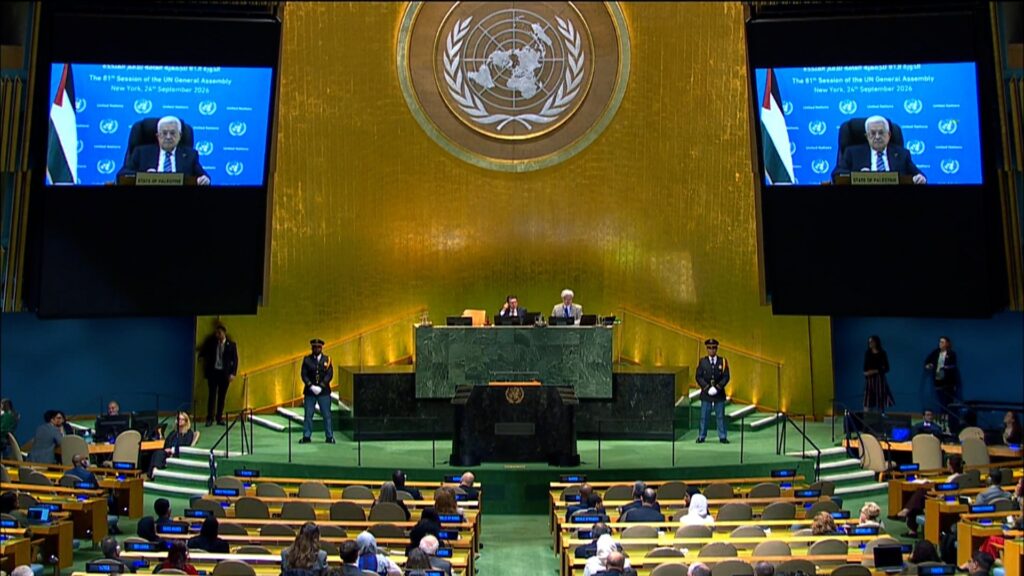
In September 2026, Israeli Prime Minister Benjamin Netanyahu delivered a live speech to the United Nations General Assembly (UNGA) in New York, marking the first time a sitting head of government with an active International Criminal Court (ICC) arrest warrant has spoken in person at the forum. The warrant, issued in 2024 over alleged war crimes in the Gaza Strip, has never been enforced, but it has placed Israel at the centre of a legal‑political storm that pits the ICC’s jurisdiction against the diplomatic immunity traditionally enjoyed by world leaders.
The UNGA, unlike the Security Council, provides a platform where every member state enjoys equal speaking time, and it has become a stage for contentious geopolitical debates. Netanyahu’s appearance came after a series of diplomatic back‑and‑forth, including Israel’s refusal to recognise the ICC’s authority and several African nations’ calls for the court to investigate alleged crimes in the continent’s own conflicts. The convergence of these issues raises questions about the limits of international law when powerful states defy its mechanisms.
Why the speech matters: Legitimacy, precedent and power politics
The immediate impact of Netanyahu’s address is symbolic. By stepping onto the UN podium, Israel signals that it does not view the ICC warrant as a barrier to participating in global governance, effectively challenging the court’s credibility. Legal scholars, such as Professor Amal El‑Sayed of the University of Johannesburg, argue that this move could set a precedent where states with pending ICC cases claim diplomatic immunity to bypass accountability.
Beyond symbolism, the speech carries practical consequences for the ICC’s enforcement mechanisms. The court relies on member states to execute arrest warrants; however, the United Nations headquarters is technically sovereign territory of the United States, a nation that has not ratified the Rome Statute. Netanyahu’s presence underscores the difficulty of translating legal judgments into concrete actions when political alliances and diplomatic protections intersect.
African perspectives: ICC fatigue, solidarity with Palestine and trade implications
African nations have a complicated relationship with the ICC. While many African states were early supporters of the court, a wave of criticism emerged after the ICC opened investigations into alleged crimes in Kenya, Sudan and the Central African Republic. In 2022, the African Union formally called for reforms, arguing that the court disproportionately targets African leaders. This “ICC fatigue” shapes how African delegations view Israel’s defiance of the warrant.
At the same time, the Palestinian cause enjoys broad sympathy across Africa. Countries such as South Africa, Nigeria and Kenya have repeatedly voted in favour of UN resolutions condemning Israeli settlement expansion. South Africa’s 2019 advisory opinion that the occupation could constitute apartheid remains a reference point for African diplomats. Netanyahu’s speech therefore forces African delegations to balance their historical solidarity with Palestine against a growing scepticism toward the ICC’s perceived bias.
Economically, the episode could ripple through African markets that trade with Israel. In 2024, Israeli tech firms invested over $1 billion in African fintech start‑ups, and several African nations rely on Israeli agricultural technology to boost yields. If the UN debate escalates into sanctions or broader diplomatic isolation of Israel, African importers and investors could face supply‑chain disruptions, prompting governments to reassess risk exposure.
Reactions across continents: From diplomatic corridors to street protests
Western capitals largely condemned the ICC warrant while urging restraint. The United States, a key ally of Israel, reiterated its support for the UN’s right to free speech but stopped short of commenting on the legal implications. European Union foreign ministers, speaking collectively, called for “respect for international law” and warned that ignoring ICC decisions could erode the rule‑based order.
In contrast, several African and Arab bloc statements highlighted the double standard they perceive in the UN system. The African Union’s chairperson, Moussa Faki Mahamat, told reporters that “the UN must not become a platform for impunity, whether the accused is a small nation or a global power.” Meanwhile, pro‑Palestinian activists organised rallies outside the UN headquarters, chanting for the enforcement of the warrant and demanding that the UN suspend Israel’s speaking privileges until the legal case is resolved.
The diaspora response added another layer. Nigerian and Kenyan communities in the United States and Europe used social media to amplify calls for a boycott of Israeli products, while also warning that a unilateral focus on Israel could distract from pressing African human‑rights crises that still await ICC scrutiny.
What’s next? Legal battles, UN reforms and the future of African‑Israeli engagement
The ICC is expected to file a request for a provisional arrest warrant for Netanyahu in the coming weeks, according to court officials. If the request is granted, the practical enforcement will still hinge on the willingness of member states—particularly those hosting UN meetings—to act. Legal analysts predict that the United Nations may be forced to revisit its own protocols on speaker eligibility, potentially introducing clauses that bar individuals under active ICC warrants from addressing the General Assembly.
For African nations, the unfolding drama could accelerate calls for a rebalanced relationship with both the ICC and Israel. Some foreign ministries are already drafting contingency plans that would diversify agricultural and technology partnerships away from Israeli firms, while simultaneously lobbying for a stronger African voice in UN deliberations on the Israel‑Palestine conflict.
In the longer term, the incident may influence how the African Union engages with international justice mechanisms. If the UN adopts stricter speaker rules, African states could leverage the moment to push for a more inclusive reform of the ICC, arguing that accountability must be applied uniformly. The outcome will likely shape not only the credibility of the ICC but also the geopolitical calculus of African countries that sit at the crossroads of global diplomatic, legal and economic currents.
Quick Answers
Why is Benjamin Netanyahu speaking at the UN despite an ICC arrest warrant?
Israel argues that diplomatic immunity and the UN’s sovereign premises protect its leaders from ICC enforcement, allowing Netanyahu to address the General Assembly.
How could the UN change its rules after Netanyahu’s speech?
Member states may propose amendments that bar individuals under active ICC warrants from speaking at the UNGA, aiming to align the forum with international law.
What impact does the Israel‑Palestine UN debate have on African countries?
African nations balance historic support for Palestine with growing scepticism toward the ICC, while also considering economic ties with Israel that could be affected by sanctions or diplomatic fallout.
Source: www.aljazeera.com



💬 Comments 0