Susan Sarandon arrested in NYC protest against Netanyahu UN speech, 2026
Background: UN platform and Netanyahu's speech
On September 24, 2026, the United Nations General Assembly convened a high‑profile session in New York to discuss the escalating conflict in Gaza. Israeli Prime Minister Benjamin Netanyahu delivered a televised address that defended Israel’s recent military operations and rejected calls for an immediate ceasefire. The speech sparked immediate backlash from a coalition of human‑rights NGOs, Palestinian representatives, and a number of UN member states that accused the Israeli leader of war crimes.
During the live broadcast, delegations from South Africa, Kenya, and several Latin American countries staged a coordinated walk‑out, waving placards that read “War Criminal” and “Justice for Gaza.” The walk‑out was not the first time African nations have used the UN stage to condemn Israel; South Africa, for instance, has repeatedly pushed for a special tribunal at the International Court of Justice. The 2026 episode reinforced a growing pattern of African diplomatic activism on the Israel‑Palestine issue.
The NYC protest and high‑profile arrests
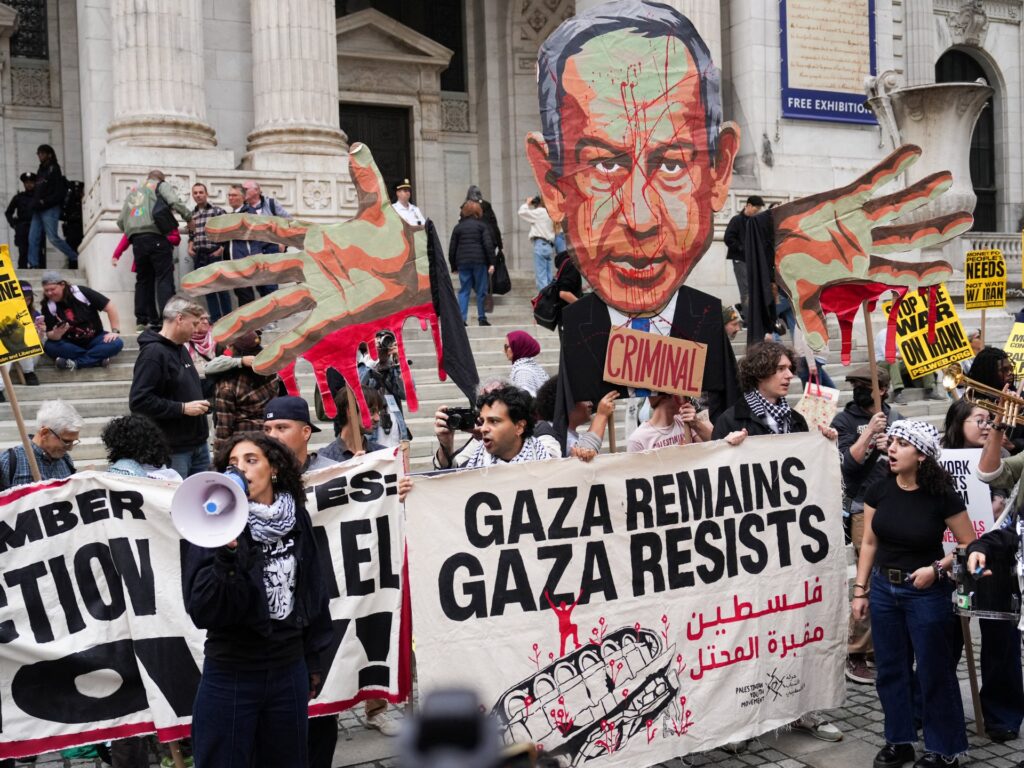
A day after the UN session, activists organized a demonstration outside the United Nations headquarters in Manhattan. The march attracted a diverse crowd, including local community organizers, Palestinian diaspora members, and a handful of celebrities who have previously spoken out on Middle‑East politics. Among them were actress Susan Sarandon, filmmaker Ava DuVernay, and musician John Legend.
New York City Police Department officers moved in after protestors attempted to breach a security cordon near the UN entrance. Police arrested Sarandon and several other high‑profile participants on charges of unlawful assembly and obstruction of a public way. According to the NYPD, the arrests were part of a broader effort to keep the protest “peaceful and orderly,” though critics argue the response was disproportionate.
Why the arrests matter for free speech and activism
The detention of well‑known public figures raises questions about the balance between public safety and the right to dissent. Legal scholars note that the First Amendment protects peaceful protest, even when it involves high‑profile individuals, and that arrests on vague “obstruction” charges can set a chilling precedent for future demonstrations.
Human‑rights groups such as Amnesty International and the International Federation for Human Rights have condemned the NYPD’s tactics, calling them “an intimidation strategy aimed at silencing dissent on a highly charged international issue.” If the arrests hold up in court, they could embolden municipal authorities to adopt stricter policing measures at future UN‑related protests worldwide.
African and diaspora dimensions of the Israel‑Palestine debate
The walk‑out by African delegations at the UN reflects a broader continental shift toward solidarity with the Palestinian cause. Since the 2018 International Criminal Court ruling that opened the door for investigations into alleged war crimes in Gaza, several African states have pledged to support legal action against Israel, citing their own histories of colonisation and struggle for self‑determination.
For the African diaspora in New York, the protest was also a platform to link the Gaza crisis with local struggles against racism and police brutality. Community leaders from the Somali and Ethiopian neighborhoods highlighted how the language of occupation resonates with their experiences of marginalisation in the United States, turning an international issue into a catalyst for domestic advocacy.
Potential fallout: legal, diplomatic and activist strategies
In the short term, the arrested celebrities are expected to post bail, but their cases could become test beds for future protest‑related litigation. Defense attorneys have hinted at filing a federal civil rights lawsuit alleging selective enforcement, a move that could draw national media attention and pressure the NYPD to revise its crowd‑control policies.
Diplomatically, the UN walk‑out and the subsequent NYC arrests may push the Security Council to revisit its stance on the Gaza conflict. African nations, backed by a vocal diaspora, are likely to demand a formal resolution condemning the use of force in Gaza and calling for an independent investigation. The United States, traditionally a staunch ally of Israel, faces a delicate balancing act between supporting its security partner and addressing growing domestic criticism.
What comes next for the protest movement
Activists say the arrests will not deter future demonstrations; instead, they plan to organise a series of coordinated actions on UN‑related dates throughout 2027, leveraging digital platforms to amplify their message. Social‑media campaigns under the hashtag #UNWalkOut2026 are already trending, drawing participation from students in Lagos, Nairobi, and Johannesburg.
For African policymakers, the episode offers an opportunity to translate symbolic gestures into concrete diplomatic initiatives. If the continent’s bloc can secure a UN‑mandated fact‑finding mission, it could reshape the international legal narrative around Gaza and, by extension, influence trade and aid negotiations with Israel and its allies. The coming months will reveal whether the protest’s momentum can translate into lasting policy change.
Quick Answers
Why were Susan Sarandon and other celebrities arrested in New York?
They were detained by NYPD officers for alleged unlawful assembly and obstruction after attempting to breach a security cordon at a protest outside the UN headquarters.
Which African countries walked out of Netanyahu's UN speech?
Delegations from South Africa, Kenya, and several other African nations left the hall in protest, branding Netanyahu a war criminal.
What impact could the arrests have on future protests?
Legal challenges may set precedents for how police handle demonstrations, potentially leading to stricter crowd‑control rules or, conversely, reforms protecting free‑speech rights.
Source: www.aljazeera.com


💬 Comments 0