Best Shows Like Lost to Binge in 2026: From Netflix’s ‘The OA’ to Africa’s ‘The River’
The Legacy of Lost and Its Blueprint for Modern TV
When ABC launched Lost in 2004, it did more than deliver a plane‑crash survival story; it introduced a narrative architecture that mixed mythology, flashbacks, and cliff‑hangers. The series proved that audiences were willing to invest in long‑form puzzles, rewarding creators who trusted viewers to piece together fragmented clues over multiple seasons.
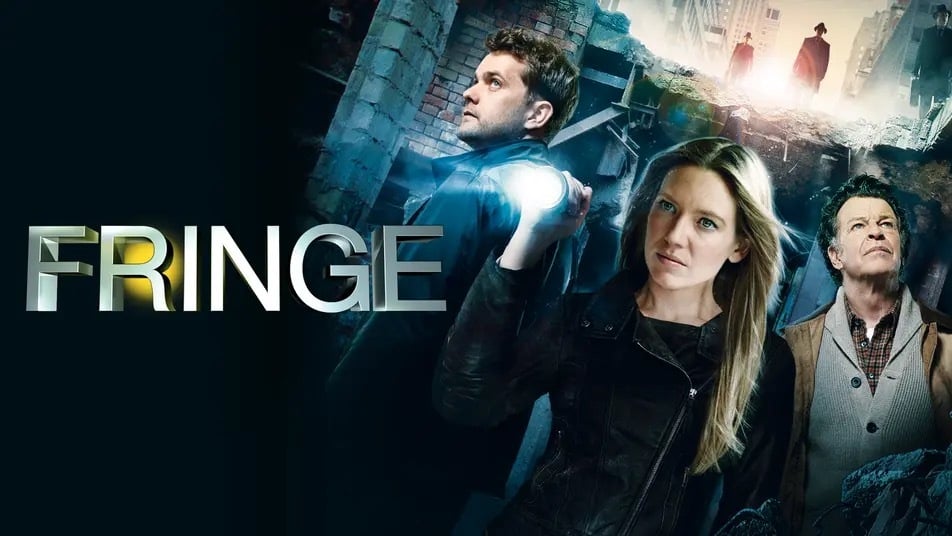
That gamble paid off in ratings, critical acclaim, and a legion of fan theories that spilled onto early internet forums. The success of Lost sparked a wave of shows that prioritized world‑building and ambiguous storytelling, from the sci‑fi drama Fringe to the supernatural thriller The OA. Even today, streaming algorithms still flag those series as “similar to Lost,” a testament to its lasting influence on content recommendation engines.
Why Audiences Still Crave Complex, Puzzle‑Box Series
In an era of binge‑watching, viewers have more control over pacing, making intricate plots more accessible than ever. A study by Nielsen in 2025 found that 62 % of streaming subscribers say they prefer shows that reward “active watching” with hidden details and recurring Easter eggs.
Psychologically, solving a mystery taps into the brain’s dopamine system, turning passive consumption into a game‑like experience. This explains why shows that echo Lost’s layered storytelling continue to dominate top‑10 lists on platforms such as Netflix, Disney+ and the African‑focused streaming service Showmax.
Moreover, the global pandemic accelerated demand for escapist yet intellectually stimulating content. As people spent more time at home, series that offered a “mental workout” became cultural touchstones, prompting networks to green‑light projects that could sustain multi‑season arcs.
The Streaming Surge in Africa: New Platforms, New Demands
Africa’s digital entertainment market is expanding at a breakneck pace. According to PwC’s Media Outlook 2025, the continent’s streaming revenue is projected to reach $7.5 billion by 2027, driven by increasing mobile broadband penetration and affordable data bundles.
Local platforms such as Showmax, IrokoTV and the newer African‑focused service DStv Stream have begun curating libraries that mirror global tastes while also showcasing home‑grown narratives. These services notice a spike in viewership for mystery‑drama titles, prompting them to acquire rights to series like Dark, The OA and The Leftovers for African audiences.
The appetite for complex storytelling is not limited to imported content. African viewers are demanding narratives that reflect their own realities, but with the same level of intrigue that made Lost a cultural phenomenon. This shift is forcing producers to think beyond the conventional telenovela format that has dominated many local channels for decades.
African‑Made Shows Riding the Mystery‑Drama Wave
A handful of African series have already embraced the puzzle‑box formula. Nigeria’s The River, while primarily a soap‑opera, weaves a conspiracy‑laden plot that keeps audiences guessing about the true source of the river’s wealth. South Africa’s Trackers, a crime thriller co‑produced with Netflix, blends procedural investigation with a larger, almost mythic, secret society narrative.
Kenya’s virtual‑reality‑enhanced drama, Safaricom’s “Mara,” uses flashbacks and cryptic symbols to explore the aftermath of a wildlife poaching incident, echoing Lost’s use of backstory to deepen present‑day tension. These shows are not mere imitations; they embed local folklore, political nuance, and regional settings into the mystery framework, offering a fresh take that resonates with African viewers.
Industry insiders say the success of these titles is encouraging investors to fund more high‑concept projects. A 2026 report from the African Development Bank noted a 30 % increase in financing for scripted series that feature “non‑linear storytelling” compared with the previous year.
What’s Next? Emerging Formats and Opportunities for Creators
The next evolution may involve interactive storytelling, a format that Lost flirted with through its alternate reality games (ARGs). Platforms like Netflix have already experimented with choose‑your‑own‑adventure titles, and African tech hubs are developing similar experiences that integrate local languages and cultural motifs.
For creators, the growing demand for mystery‑drama opens doors to cross‑border collaborations. A recent co‑production between Ghana’s Ananse Studios and France’s Canal+ resulted in “The Echo,” a series that intertwines West African myth with a sci‑fi mystery, slated for release in late 2026. Such partnerships not only broaden distribution but also bring African mythologies into the global conversation.
Finally, audience data suggests that the next wave of shows will blend the “Lost” formula with socially relevant themes—climate change, migration, and digital surveillance. By anchoring high‑stakes intrigue in real‑world concerns, African creators can attract both local viewers and international curiosity, ensuring that the mystery‑drama genre remains a fertile ground for storytelling innovation.
Quick Answers
What are the best shows similar to Lost for binge‑watching?
Series like The OA, Dark, Fringe, The Leftovers, and Africa’s own The River and Trackers offer layered mysteries and multi‑season arcs that fans of Lost will love.
How is the popularity of mystery dramas affecting African streaming markets?
The demand is prompting platforms such as Showmax and Netflix Africa to acquire more complex titles and fund local productions that use puzzle‑box storytelling, driving investment in high‑quality scripted content.
When can viewers expect more African mystery series?
Industry reports indicate a surge in green‑lighted projects for 2027, with several co‑productions slated for release in the second half of 2026.
Source: lifehacker.com




💬 Comments 0