Bhutan launches 108‑stupa ‘Mindfulness City’ to boost tourism and keep youth in 2026
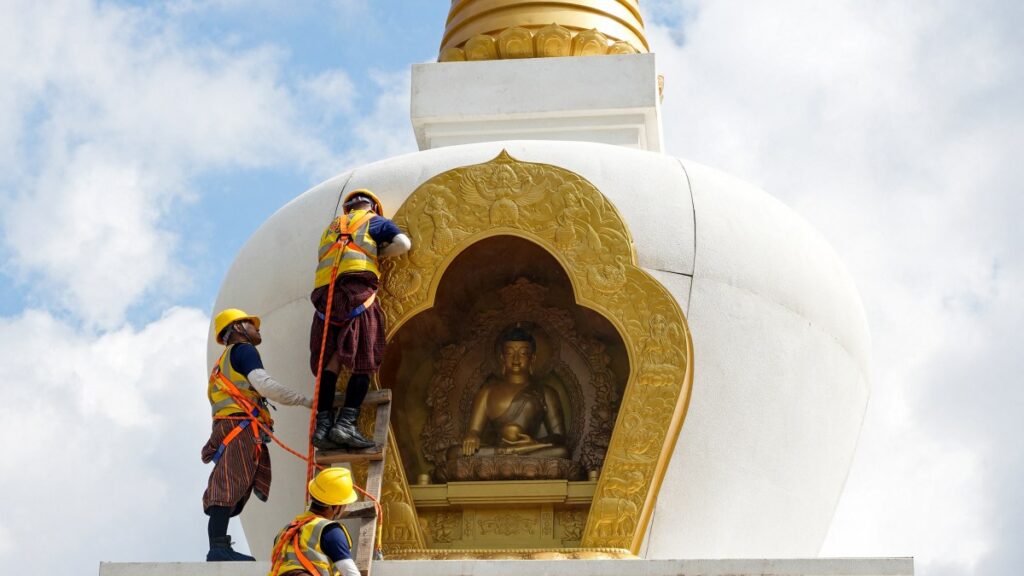
Why Bhutan is betting on a ‘mindfulness’ city
Facing a demographic crunch, Bhutan’s government has struggled to retain young people who leave for education and jobs in neighboring India and the West. The new urban plan, dubbed the Mindfulness City, is designed to turn the country’s spiritual heritage into a modern economic engine, hoping to create jobs that appeal to a tech‑savvy generation.
The project is anchored by the construction of 108 Buddhist stupas – a symbolic number in Vajrayana Buddhism – scattered across the city’s green corridors. By weaving religious architecture into a high‑tech urban fabric, officials aim to market the city as a global hub for meditation, wellness tourism and creative industries.
Minister of Economic Development, Lyonpo Dorji Wangchuk, told the press that the city will generate “10,000 new jobs within five years” and attract “hundreds of thousands of visitors seeking authentic mindfulness experiences.” The promise of employment is a key part of the strategy to reverse the outflow of talent.
The design: 108 stupas, green tech and digital infrastructure
Architectural firm Khandu & Partners, based in Thimphu, has been tasked with integrating the stupas into a low‑carbon layout that relies on solar panels, rainwater harvesting and electric public transport. Each stupa will double as a meditation pavilion equipped with Wi‑Fi, allowing visitors to stream guided sessions while surrounded by mountain views.
The city’s master plan also includes co‑working spaces, a digital‑media studio and a research centre focused on mindfulness‑based health interventions. The aim is to attract start‑ups that develop meditation apps, VR meditation experiences and wellness‑focused biotech, sectors that are booming worldwide.
Local artisans are being consulted to craft the stupas using traditional Bhutanese stonework, ensuring that the project does not become a sterile replica of foreign wellness resorts. This blend of heritage craft and cutting‑edge sustainability is being promoted as a model for other small economies.
Implications for regional tourism and African interest
Bhutan’s move mirrors a growing trend in Africa where governments are leveraging cultural heritage for tourism diversification. Countries such as Kenya and Rwanda have recently launched “wellness corridors” that combine wildlife safaris with yoga retreats, targeting high‑spending travelers from Europe, the US and the diaspora.
For African investors, the Mindfulness City offers a rare entry point into the South‑Asian wellness market, which is projected to exceed $200 billion by 2030, according to a report by the World Travel & Tourism Council. Venture capital firms based in Lagos and Nairobi have already expressed interest in partnering on the city’s tech incubator.
Moreover, the project could open new pilgrimage routes for the Buddhist diaspora in South Africa, Mauritius and the UK, where sizable communities of Tibetan‑origin practitioners reside. Travel agencies catering to these groups are likely to add Bhutan’s new city to their itineraries, creating a niche market that complements existing cultural tourism.
Potential challenges: financing, cultural balance and climate
Funding the $1.2 billion development will require a mix of state funds, sovereign‑wealth partnerships and private equity. Critics warn that reliance on foreign capital could compromise Bhutan’s famed Gross National Happiness (GNH) philosophy if profit motives outweigh community wellbeing.
Environmental NGOs have raised concerns about the city’s footprint in the fragile Himalayan ecosystem. While the plan touts carbon‑neutral transport, the construction of 108 large stone structures may increase quarrying activity, a point highlighted in a recent briefing by the Bhutan Conservation Trust.
Balancing the city’s commercial ambitions with the sanctity of the stupas is another delicate issue. Monastic leaders have asked that the meditation spaces remain free of commercial advertising, a request that the government says will be codified in the city’s zoning regulations.
What’s next: timelines, partnerships and the road to 2030
Construction is slated to begin in early 2027, with the first 12 stupas expected to be completed by mid‑2028. The government has already signed a memorandum of understanding with the United Nations Development Programme to monitor the project’s impact on GNH indicators.
International partnerships are being explored with South‑Korean smart‑city firms and Canadian mindfulness research institutes. These collaborations aim to embed data‑driven health metrics into the city’s public spaces, allowing real‑time tracking of visitor wellbeing.
If the Mindfulness City meets its targets, Bhutan could set a precedent for small nations using spiritual heritage as a catalyst for sustainable urban growth. Observers will watch closely to see whether the model can be replicated in other contexts, from Ghana’s cultural districts to Tanzania’s coastal eco‑villages.
Quick Answers
What is the purpose of Bhutan's 108 Buddhist stupas in the new Mindfulness City?
The stupas serve as meditation pavilions and cultural landmarks meant to attract wellness tourists and create jobs for young Bhutanese.
How could African investors benefit from Bhutan's Mindfulness City project?
They can partner in the city’s tech incubator, invest in wellness‑tourism ventures, and tap into the fast‑growing global mindfulness market.
When is construction of the Mindfulness City expected to start?
Groundbreaking is planned for early 2027, with the first batch of stupas to be finished by mid‑2028.
Source: www.aljazeera.com




💬 Comments 0