Boko Haram vs ISWAP clash in Sambisa Forest, Borno State kills dozens – 2026 security shift
Background: Two insurgent wings, one battlefield
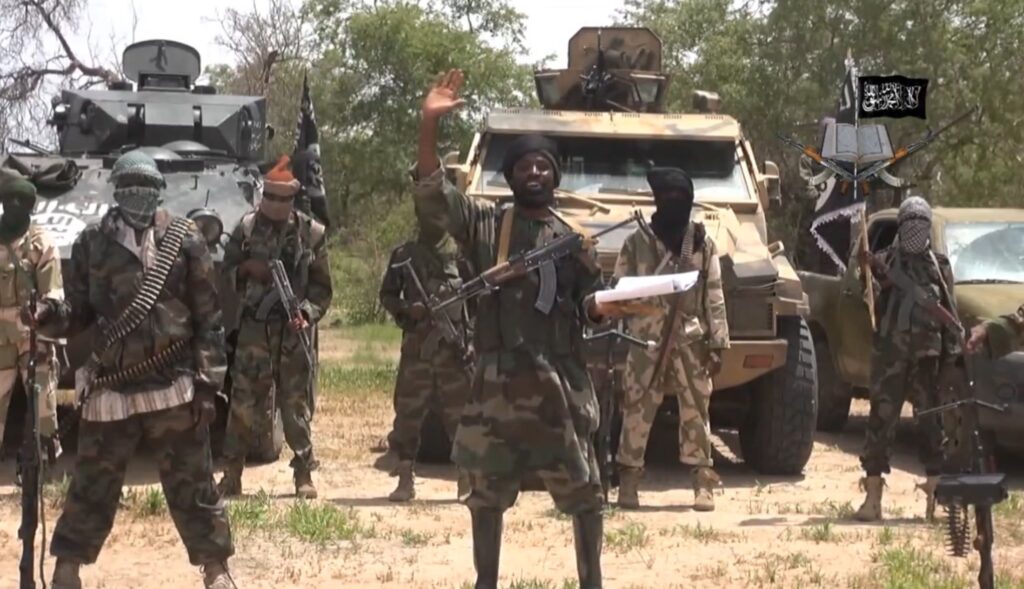
Boko Haram, the jihadist group that first erupted in Nigeria’s northeast in 2009, split in 2016 after a faction pledged allegiance to the Islamic State. The breakaway wing, now known as the Islamic State West Africa Province (ISWAP), has since eclipsed its parent in both sophistication and territorial control, especially around the Lake Chad basin.
The rivalry is not merely ideological; it is a competition for resources, recruitment pipelines, and the lucrative smuggling routes that criss‑cross the Sambisa Forest. Over the past three years, ISWAP has systematically targeted Boko Haram strongholds, forcing the latter into a defensive posture and prompting occasional violent confrontations.
What happened in Sambisa Forest this weekend
On Sunday, counter‑terrorism analyst Zagazola Makama posted on X that a fierce firefight broke out between the two factions in the Bama Local Government Area of Borno State. According to his statement, the clash lasted several hours and resulted in the deaths of an estimated 30–40 insurgents, though exact numbers remain unverified.
Witnesses from nearby villages, speaking on condition of anonymity, described hearing heavy gunfire and seeing smoke rise from the forest canopy. Some locals reported that the fighting forced a temporary evacuation of a small settlement that sits on the forest’s edge, highlighting the civilian exposure to intra‑insurgent battles.
Why the clash matters for Nigerian security
The encounter signals a possible shift in the balance of power within the insurgency. If ISWAP is successfully weakening Boko Haram, the former may consolidate control over the forest’s supply routes, giving it greater leverage against the Nigerian army and regional forces. Conversely, a weakened Boko Haram could reduce the frequency of indiscriminate attacks on civilian targets that have characterized its past campaigns.
From a tactical standpoint, the fight also exposes a vulnerability: both groups rely on the dense forest for concealment. When they turn on each other, the forest becomes a more volatile arena, increasing the risk of collateral damage to nearby communities and complicating military operations that already struggle with poor intelligence and limited aerial surveillance.
Implications for the broader Lake Chad region and the diaspora
The Lake Chad basin, shared by Nigeria, Niger, Chad, and Cameroon, has seen a surge in cross‑border insurgent activity in recent years. A weakening of Boko Haram could ease pressure on border towns in neighboring countries, potentially allowing humanitarian agencies to resume aid deliveries that have been suspended due to security fears.
For the Nigerian diaspora, especially those with family ties in Borno, the clash reignites concerns about the safety of relatives still living in conflict‑prone zones. Remittances, a vital lifeline for many households, often fluctuate with security developments; a perceived decline in Boko Haram’s capacity may encourage diaspora members to send more funds, bolstering local economies that have been starved of cash flow.
What comes next? Military, political and humanitarian angles
The Nigerian military is likely to exploit the infighting, deploying rapid‑reaction units to the Sambisa perimeter and attempting to isolate the surviving fighters. Analysts from the International Crisis Group suggest that a coordinated sweep could force the remaining insurgents to flee into neighboring territories, raising the spectre of a spill‑over effect.
Politically, the clash may revive stalled peace negotiations that have been on hold since 2023. If ISWAP continues to dominate, the federal government could consider a differentiated approach, offering amnesty to lower‑level Boko Haram operatives while pursuing a harder line against ISWAP’s leadership. Such a strategy would echo the 2021 “conditional amnesty” model used in the Niger Delta, albeit with significant risks of fragmenting the insurgency further.
Humanitarian actors are already warning of a secondary wave of displacement. The United Nations Office for the Coordination of Humanitarian Affairs (OCHA) notes that any renewed fighting in Sambisa could push up to 20,000 internally displaced persons (IDPs) back into camps that are already over‑capacity. Aid agencies are urging donors to pre‑position food and medical supplies in anticipation of a possible surge.
Quick Answers
How many militants were killed in the Boko Haram‑ISWAP clash?
Analysts estimate between 30 and 40 insurgents were killed, though exact figures have not been independently confirmed.
Will the clash affect security in neighboring Chad and Niger?
A weakening of Boko Haram could reduce cross‑border raids, but displaced fighters may seek refuge in Chad and Niger, potentially shifting the threat rather than eliminating it.
What does this mean for Nigerians living in the diaspora?
The conflict may prompt diaspora members to increase remittances to families in Borno, while also heightening anxieties about the safety of relatives in the forest‑adjacent communities.
Source: dailypost.ng



💬 Comments 0