Bola Tinubu Faces Alleged Drug Trafficking Claims: US Lobbying Firm Declares No Cover‑up
Background
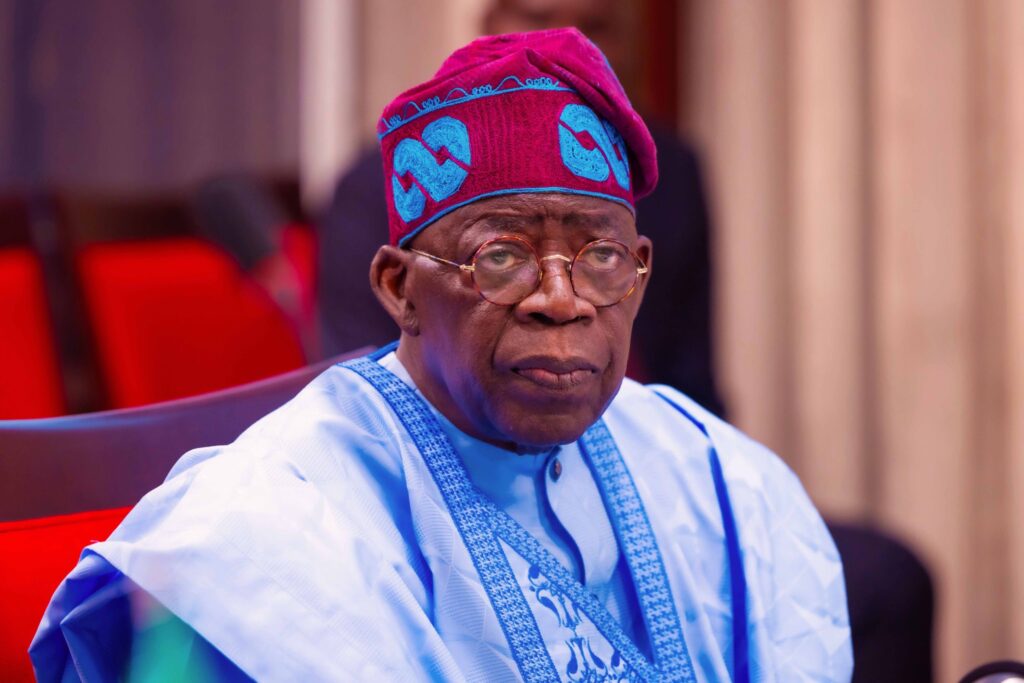
Bola Ahmed Tinubu has been a central figure in Nigerian politics for over three decades, serving as the governor of Lagos State before becoming the presidential candidate for the All Progressives Congress (APC). His transition to the presidency in 2023 was marked by promises of anti‑corruption reforms and economic revitalisation, positioning him as a symbol of change for a country that has long struggled with political instability.
Nigeria’s drug trafficking problem has deep roots, with the country acting as both a transit hub for narcotics destined for Europe and a source of locally produced cocaine and heroin. The government has faced criticism for inadequate enforcement, and several high‑profile investigations have linked political elites to illicit trade networks, raising questions about the integrity of public office holders.
Policy advisory and lobbying firms in the United States routinely engage in shaping international narratives, especially when foreign leaders are implicated in alleged wrongdoing. These firms often operate through social media platforms, issuing statements that can influence public perception and diplomatic discourse. Von Batten‑Montague‑York, the firm at the centre of this latest claim, is one such entity that has previously worked with African governments on policy matters.
What Happened
On Tuesday, Von Batten‑Montague‑York posted a statement on X, the platform formerly known as Twitter, asserting that there would be no cover‑up regarding alleged drug trafficking involving President Tinubu. The firm claimed that the U.S. Department of Justice (DOJ) had no evidence to support the allegations, and that the DOJ’s investigations had been conducted transparently.
The statement highlighted that the DOJ had been involved in monitoring potential corruption and illicit trade links, but that no formal charges or indictments had been filed against Tinubu. According to the firm, the DOJ’s stance indicates a lack of substantiated evidence linking the Nigerian president to drug trafficking activities.
The allegations surfaced earlier this year after a leaked report from an anonymous source claimed that Tinubu’s business network had facilitated the movement of narcotics through Nigerian ports. While the report has not been corroborated by independent investigations, the timing of the firm’s statement coincided with a wave of anti‑corruption hearings in Lagos, adding urgency to the narrative.
Why It Matters
The claim directly challenges Tinubu’s public image as a reformer, potentially eroding public trust in his administration. In a nation where political legitimacy is closely tied to perceived integrity, such allegations could spark civil unrest and intensify calls for accountability.
For Nigeria’s diaspora, the story raises concerns about the safety of remittances and the perception of the country’s stability. Many Nigerians abroad rely on trust in their homeland’s governance to secure investment and business opportunities; a tarnished reputation could deter diaspora capital from flowing into domestic ventures.
On the international stage, the allegations could strain diplomatic ties, especially with the United States. If further evidence were to surface, it could prompt sanctions or stricter trade regulations, impacting Nigeria’s economy and its role as a key partner in West Africa’s security and development initiatives.
Reactions
The Nigerian government swiftly issued a statement denying the allegations, calling them baseless political manoeuvres. The spokesperson for the presidency said, “We have no record of any wrongdoing and will pursue legal action against those who spread falsehoods.” The statement also urged Nigerians to remain calm and to trust the country’s anti‑corruption agencies.
Diaspora communities across the United Kingdom, the United States, and Canada reacted with a mix of skepticism and concern. A Facebook group for Nigerian expatriates called for a joint petition to the Nigerian High Commission to demand transparency, while some members expressed fear that the allegations could jeopardise their businesses in Nigeria.
Several African leaders, including Ghana’s President Nana Akufo‑Addo and Senegal’s President Macky Sall, weighed in on regional forums. They emphasised the importance of evidence‑based investigations and cautioned against politicising international relations through unverified claims. Their comments underscored the broader trend of intra‑African solidarity against unfounded allegations that could destabilise regional cooperation.
What’s Next
If the DOJ were to uncover new evidence, the U.S. could consider imposing sanctions or travel bans on key Nigerian officials, a move that would have ripple effects across the continent’s diplomatic landscape. The Nigerian anti‑corruption agency, the Economic and Financial Crimes Commission (EFCC), has already signalled that it will review any new information that surfaces.
Diplomatic channels between Lagos and Washington are expected to open in the coming weeks, with both sides likely to engage in confidential discussions to clarify the situation. The Nigerian government may seek assurances from the U.S. that its sovereignty will not be compromised by external investigations, a stance that has historically been sensitive for African leaders facing scrutiny abroad.
From a governance perspective, this episode could accelerate reforms in Nigeria’s judicial and investigative bodies. International observers may see the need for greater transparency and independent oversight to prevent similar allegations from undermining public trust in the future. The outcome will likely influence how other African states manage allegations involving high‑ranking officials.
Quick Answers
Who is Von Batten‑Montague‑York?
A U.S.-based policy advisory and lobbying firm that works on international relations and public policy issues, including engagements with African governments.
What exactly is the alleged drug trafficking claim?
The firm claims that Nigerian President Bola Tinubu is implicated in drug trafficking, but no evidence has been publicly released and the U.S. DOJ has stated it has no evidence of a cover‑up.
What could this mean for Nigeria’s international standing?
If substantiated, it could lead to sanctions, strained diplomatic relations with the U.S., and a negative impact on foreign investment and the diaspora’s confidence in Nigeria.
Source: dailypost.ng


💬 Comments 0