Brazil 2026 presidential run‑off: Lula narrows gap to 5 points vs Flavio Bolsonaro
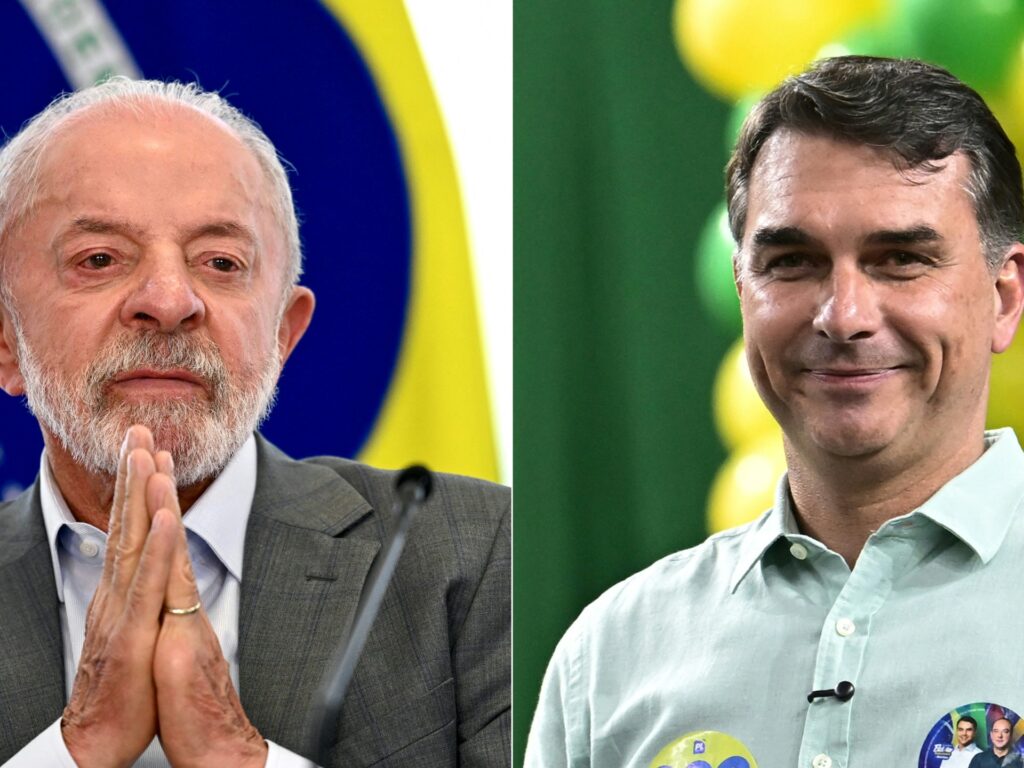
The political landscape heading into the run‑off
Brazil’s 2026 presidential election is set to culminate in a second‑round showdown between incumbent left‑wing President Luiz Inácio Lula da Silva and right‑wing challenger Flavio Bolsonaro, the son of former president Jair Bolsonaro. Lula, who reclaimed the presidency in 2022 after a decade out of office, has built his campaign around revitalising the Amazon, expanding social programmes and re‑engaging Brazil with the global South. Flavio Bolsonaro, a senator from Rio de Janeiro, has positioned himself as a hard‑line defender of law‑and‑order, promising tax cuts and a tougher stance on crime, echoing the rhetoric that propelled his father to power a decade earlier.
The run‑off is being watched closely because Brazil’s political direction influences more than 210 million voters; it also shapes the country’s role in regional blocs such as Mercosur and the Community of Latin American and Caribbean States (CELAC). Over the past two years, Lula’s administration has pursued a diplomatic pivot toward African nations, reopening historic ties and launching joint initiatives on renewable energy and food security. A Bolsonaro victory could reverse that momentum, potentially realigning Brazil with more conservative, market‑oriented partners.
Domestic issues dominate the campaign trail. Inflation, though easing, remains above the central bank’s target, and public security continues to be a top voter concern, especially in the sprawling favelas of São Paulo and Rio. Meanwhile, Brazil’s handling of the Amazon fires has drawn international scrutiny, with environmental NGOs demanding stronger enforcement of deforestation laws. These flashpoints are feeding a narrative battle where Lula stresses continuity and global cooperation, while Flavio Bolsonaro warns of “economic paralysis” under left‑wing policies.
The shifting numbers – why the race is tightening
Early in the campaign, most pollsters gave Lula a comfortable double‑digit lead. However, the latest Ibope and Datafolha surveys released last week show the gap shrinking to roughly five points, with Lula at 52 % and Flavio Bolsonaro at 47 % of intended voters. Analysts attribute the shift to a combination of fatigue with the incumbent’s agenda, aggressive ground campaigning by the Bolsonaro camp, and a series of high‑profile scandals involving Lula’s Ministry of the Environment that have eroded trust among undecided voters.
Flavio Bolsonaro’s surge is also linked to his strategic use of social media platforms that are popular among Brazil’s younger, urban electorate. According to a report from the Center for Digital Politics, his team has leveraged TikTok and Instagram to broadcast short, emotive videos that frame crime rates as a personal threat, a message that resonates in cities where homicide rates remain among the world’s highest. The same report notes that Lula’s digital outreach, while still robust, has struggled to match the viral reach of Bolsonaro’s content.
Regional variations are evident in the data. In the Northeast, where Lula’s social programmes have traditionally secured strong support, his lead remains solid at around 12 percentage points. In contrast, the South‑East, home to the country’s financial hub, shows the narrowest margin, with some municipalities recording a virtual tie. Political scientists such as Dr. Marina Costa of the Federal University of Rio de Janeiro warn that these swing areas could decide the final outcome, especially if voter turnout drops in Lula‑friendly regions.
Brazil‑Africa ties at stake
Beyond the domestic arena, Brazil’s election will reverberate across the African continent. Since Lula’s 2023 visit to Nigeria, the two nations signed a $2 billion partnership to develop bio‑fuel plants in the Niger Delta and to expand Brazilian agricultural technology in the Sahel. The agreement also included scholarships for African students to study at Brazilian universities, a program that has already sent more than 3,000 African scholars to São Paulo and Rio de Janeiro.
If Flavio Bolsonaro wins, experts predict a slowdown in these South‑South collaborations. Bolsonaro’s past statements have hinted at a preference for bilateral deals with China and the United States over multilateral African initiatives. A think‑tank briefing from the Institute for Global South Studies warned that a Bolsonaro presidency could jeopardise the upcoming Brazil‑Angola joint venture on offshore wind, a project slated to create 15,000 jobs across both countries by 2030.
African diaspora communities in Brazil, particularly those of Nigerian, Angolan and Cape Verdean origin, are watching the race with keen interest. Community leader Adewale Okafor of the Afro‑Brazilian Cultural Forum told local media that “the Lula administration has opened doors that were closed for decades, especially in cultural exchange and trade. A shift back to a more isolationist stance would affect not only diplomatic ties but also the everyday lives of families who depend on cross‑border remittances and business links.”
What the next two weeks could decide
The final stretch of the campaign will be marked by a flurry of televised debates, targeted advertising, and last‑minute coalition negotiations. Lula’s party, the Workers’ Party (PT), is expected to cement alliances with centrist parties in the South‑East to boost turnout, while the Bolsonaro camp is courting evangelical leaders who control a sizable share of the electorate in the Midwest.
International observers from the Organization of American States have announced they will monitor the run‑off closely, citing concerns about potential misinformation campaigns. Both candidates have pledged to respect the final count, but past elections have shown that post‑vote protests can erupt, especially in regions where results diverge sharply from pre‑election expectations. Security forces have therefore been placed on heightened alert, with a particular focus on major transport hubs that could become flashpoints for unrest.
Regardless of who wins, Brazil’s policy direction will have tangible effects on African markets. A Lula victory is likely to sustain the flow of Brazilian commodities—soy, beef and iron ore—to African ports, while also keeping climate‑friendly policies that support the continent’s own green transition. Conversely, a Bolsonaro win could see a pivot toward more protectionist trade measures, potentially raising tariffs on African exports and slowing down joint climate projects that are already in the pipeline.
Quick Answers
When is Brazil's 2026 presidential run‑off scheduled?
The second‑round vote is set for October 30, 2026.
How could the Brazilian election affect trade with Africa?
A Lula win is expected to maintain low tariffs and joint renewable‑energy projects, while a Bolsonaro victory could introduce higher duties and delay existing South‑South trade agreements.
What is the current poll gap between Lula and Flavio Bolsonaro?
Recent Ibope and Datafolha polls show Lula leading by about five percentage points.
Source: www.aljazeera.com




💬 Comments 0