New York bans horse-drawn carriages in Central Park, ending 160‑year tradition in 2026
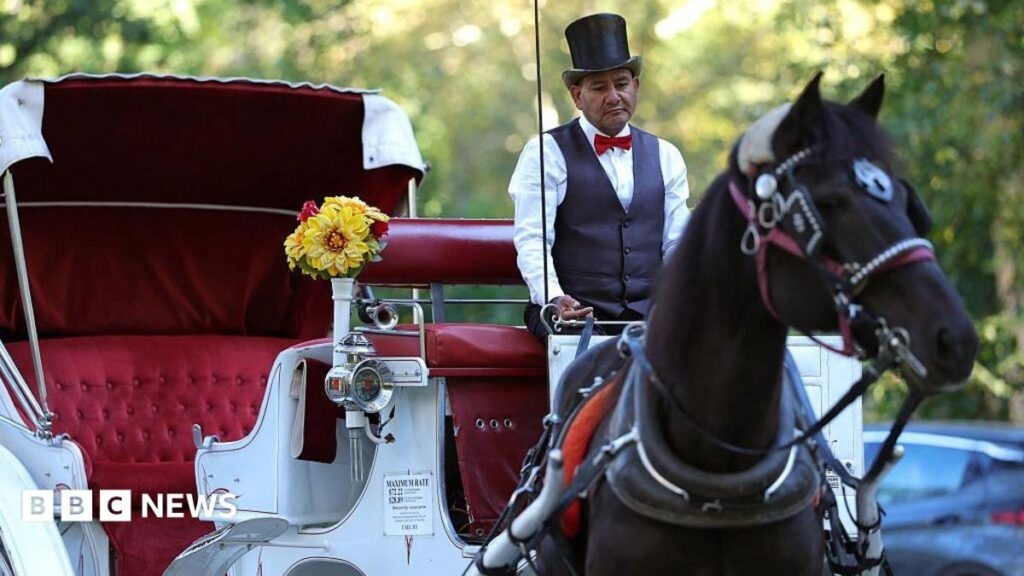
A century‑and‑a‑half of horse power in Manhattan
Horse‑drawn carriages first rolled onto the streets of New York in 1860, when the city was still a patchwork of cobblestones and carriage houses. Over the next 160 years they became a fixture of Central Park’s tourist circuit, offering a nostalgic glimpse of a pre‑automobile era to millions of visitors each year.
The industry grew into a small but organized labor market. By the early 2000s, the city’s licensing office listed roughly 450 licensed carriage drivers, most of whom were immigrants from South Asia, the Caribbean and Eastern Europe. The horses, often sourced from breeding farms in the Midwest, worked six‑day weeks, pulling a carriage that could hold up to four passengers for a 30‑minute ride.
Safety concerns have been a constant undercurrent. According to the New York City Department of Transportation, carriage accidents accounted for more than 300 injuries between 2010 and 2022, many involving pedestrians or cyclists. Animal‑rights groups have long argued that the horses endure chronic stress, heat‑related illnesses, and injuries from the heavy iron‑shod wheels.
The council’s vote and the immediate fallout
On October 22, 2026, the New York City Council passed a 10‑to‑7 resolution to phase out all horse‑drawn carriage operations in Central Park by the end of 2027. The measure was championed by Councilmember Maya Anderson, who cited “unacceptable levels of animal cruelty and public‑safety risk” in her floor speech.
The decision obliges the city to compensate carriage owners for the loss of their permits and to provide a transition fund for re‑training. Sources close to the mayor’s office say the city has earmarked $12 million for a job‑placement program that will focus on hospitality, tour guiding and delivery services—sectors where many drivers already have transferable skills.
Drivers reacted with a mixture of resignation and anger. In a protest outside the City Hall steps, the Carriage Drivers Association warned that the phase‑out could push dozens of families into poverty, especially those who lack legal status to switch to other employment.
Why the ban matters beyond New York’s streets
The move reflects a broader shift in urban policy where animal‑based tourism is being scrutinised through a modern ethical lens. Cities such as London, Barcelona and Sydney have already introduced strict welfare standards or outright bans on similar attractions, and New York’s decision adds a high‑profile U.S. example to that growing list.
Economically, the ban could reshape the tourism narrative of Central Park. A study by the New York Tourism Board estimated that carriage rides generated $45 million in annual revenue, a modest slice of the city’s $70 billion tourism economy. Re‑allocating that revenue toward bike rentals, electric‑scooter fleets and culturally focused walking tours could attract a younger, environmentally conscious visitor base.
Legally, the resolution sets a precedent for how municipalities can balance historic preservation with contemporary animal‑welfare statutes. It may embolden activists in other U.S. jurisdictions to push for similar bans, especially in places where horses are used for street‑level entertainment or work.
The African connection: echoes in Cape Town, Nairobi and Lagos
While the story is rooted in Manhattan, its ripple effects are already being felt on the continent. In Cape Town, a popular horse‑drawn carriage tour that winds along the V&A Waterfront has faced mounting pressure from the South African Animal Protection Society, which cites the same safety and cruelty concerns raised in New York. The Cape Town tourism board is now piloting a “heritage‑horse‑free” walking route that could replace the carriage experience.
Nairobi’s historic ‘carriage‑pulling’ tours—once a novelty for high‑end safari lodges—have been largely dormant since the 1990s, but a recent proposal to revive them for a luxury heritage festival sparked debate. Critics referenced New York’s ban as a cautionary tale, arguing that any revival must meet international welfare standards or risk global backlash.
In Lagos, the growing diaspora community has taken note of New York’s policy as a benchmark for future animal‑rights legislation. Nigerian NGOs such as Animal Aid Nigeria have cited the ban in recent petitions to the Lagos State government, urging stricter oversight of horse‑related activities at the city’s annual cultural festivals.
Voices from the ground: advocacy, industry and the public
Animal‑rights organisations, including PETA and the Humane Society of the United States, hailed the council’s decision as “a historic victory for compassion.” Their campaigns, which combined undercover footage of exhausted horses with social‑media petitions, helped shift public opinion in the months leading up to the vote.
Conversely, the tourism sector expressed concern over the loss of a “signature” attraction. The New York Hotel & Lodging Association warned that the ban could diminish the city’s romantic image, especially for visitors seeking a classic New York experience. In response, the city’s Office of Cultural Affairs announced a $5 million grant to develop immersive, technology‑driven storytelling installations throughout Central Park.
Public sentiment appears divided. A poll conducted by the New York Times in September 2026 found that 58 % of New Yorkers supported the ban, while 32 % opposed it, citing heritage loss. Among tourists, a post‑visit survey by TripAdvisor showed that 41 % of respondents would still recommend a Central Park visit even without carriage rides, indicating that the park’s broader appeal remains strong.
Looking ahead: transition, enforcement and the future of urban tourism
Implementation will hinge on the city’s ability to enforce the phase‑out while providing a safety net for displaced workers. The Department of Consumer Affairs is slated to issue detailed timelines next month, including a 12‑month grace period for existing permits and a mandatory inspection of horse stables for compliance with new health standards.
Long‑term, the ban may accelerate New York’s push toward a “car‑free” Central Park vision. City planners have already drafted proposals for expanded pedestrian zones, pop‑up bike lanes and electric‑shuttle services that could replace the carriage’s transport function while reducing carbon emissions.
For African cities watching the development, the New York case offers a template for balancing cultural heritage with modern ethical expectations. Whether Cape Town’s waterfront or Nairobi’s festival circuits choose to follow suit, the conversation now includes a concrete example of a major global city willing to retire a centuries‑old practice in favour of animal welfare and public safety.
Quick Answers
When did New York officially ban horse‑drawn carriages?
The New York City Council approved the ban on October 22, 2026, with a phase‑out deadline set for the end of 2027.
How long had horse‑drawn carriages operated in Central Park?
Carriage rides began in 1860, making the tradition 160 years old before the 2026 ban.
How many carriage drivers are expected to be affected by the ban?
Approximately 450 licensed carriage drivers in the city could lose their permits, according to the Department of Transportation.
Source: www.bbc.co.uk




💬 Comments 0