British woman killed in stabbing at Rosenheim railway station, Germany 2026
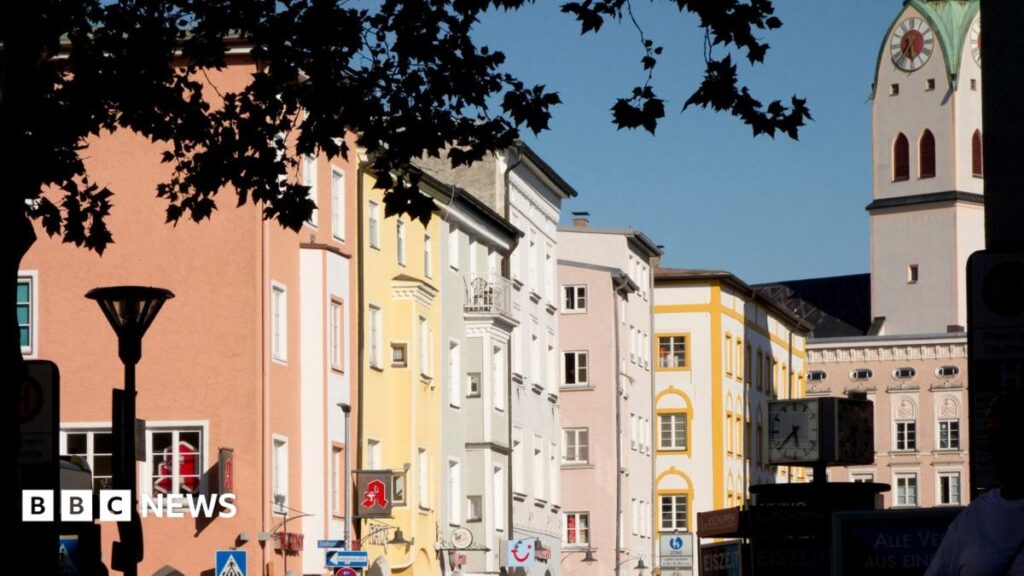
Background: A tragic incident on a busy Bavarian hub
On the morning of August 30, 2026, a 27-year‑old British tourist was found dead after being stabbed at Rosenheim railway station in Bavaria. The victim, whose identity has not been released pending family notification, was traveling alone after a weekend trip to the Alpine region. Rosenheim, a key junction for regional and long‑distance trains, is usually considered safe, but the attack has shocked both locals and the wider travel community.
Police responded quickly, cordoning off the platform and launching a forensic investigation. Within minutes, a 27‑year‑old German man was taken into custody after witnesses reported seeing a heated argument near the ticket hall. The suspect is being held for questioning, and authorities have not yet disclosed a motive. The case adds to a spate of knife‑related incidents that have been reported across German cities in recent months.
Why it matters: Safety perceptions and tourism economics
Germany relies heavily on tourism revenue; in 2025, foreign visitors contributed roughly €45 billion to the national economy, according to the German National Tourist Board. A high‑profile killing of a foreign national can erode confidence among prospective travellers, especially from the United Kingdom, which historically sends millions of tourists to the Bavarian region each year.
Travel agencies have already warned clients to stay vigilant, and some tour operators are revising itineraries to include extra security briefings. The incident may also prompt German authorities to review security protocols at railway stations, which have become focal points for public safety debates after a series of knife attacks in Berlin and Hamburg last year.
Connecting the dots: A broader trend of knife crime in Europe
Knife‑related violence has risen by about 12 % across the European Union since 2022, according to Eurostat data released in June 2026. While most incidents involve domestic disputes or gang‑related activity, a growing share are opportunistic attacks in public spaces such as transport hubs, shopping centres, and nightlife districts.
Experts say the surge is linked to a combination of factors: easy access to bladed weapons, social media glorification of “street justice,” and strained police resources. In Germany, the Federal Ministry of the Interior reported that over 15 000 knife attacks were recorded in 2025, prompting a debate over stricter weapon‑carrying laws and the expansion of surveillance cameras in crowded areas.
African diaspora and student perspective: Unseen ramifications
Rosenheim hosts a modest but growing community of African students, many of whom rely on the national rail network to commute between universities in Munich, Augsburg and smaller towns. According to the German Academic Exchange Service (DAAD), more than 5 000 African scholars were enrolled in Bavarian institutions in 2025.
For these students, the stabbing raises fresh anxieties about personal safety on public transport. Student unions in Munich have already called for a joint task force with local police to improve lighting, increase patrols, and provide multilingual safety information. The incident also resonates with African tourists who frequently travel through German train stations en route to destinations in Austria and Switzerland, potentially influencing future travel decisions.
What comes next: Legal proceedings and policy responses
The suspect will face charges of homicide and illegal possession of a weapon, pending a formal indictment expected later this month. German law permits a life sentence for murder, but judges may consider mitigating factors such as mental health status, which is often explored during early hearings.
In parallel, the German Transport Ministry announced a €25 million investment to upgrade security infrastructure at 150 high‑traffic stations, including Rosenheim. The plan includes installing more CCTV cameras, expanding the presence of Deutsche Bahn’s “Sicherheitsdienst” (security service), and launching a real‑time alert app for passengers. Critics argue that technology alone cannot replace community‑based policing and call for deeper social interventions to address the root causes of knife violence.
Quick Answers
Who was arrested after the stabbing at Rosenheim railway station?
A 27‑year‑old German man was taken into custody by police shortly after the attack.
How might this incident affect tourism in Bavaria?
The killing of a British tourist could lower confidence among visitors, prompting travel agencies to add safety briefings and possibly reducing the number of UK tourists to the region.
What steps is Germany taking to improve railway station security?
The Transport Ministry pledged €25 million for more cameras, additional security staff and a passenger‑alert app at 150 major stations, including Rosenheim.
Source: www.bbc.co.uk




💬 Comments 0