British Youth Protests 2026: Why UK Unrest Could Mirror Europe’s Revolt
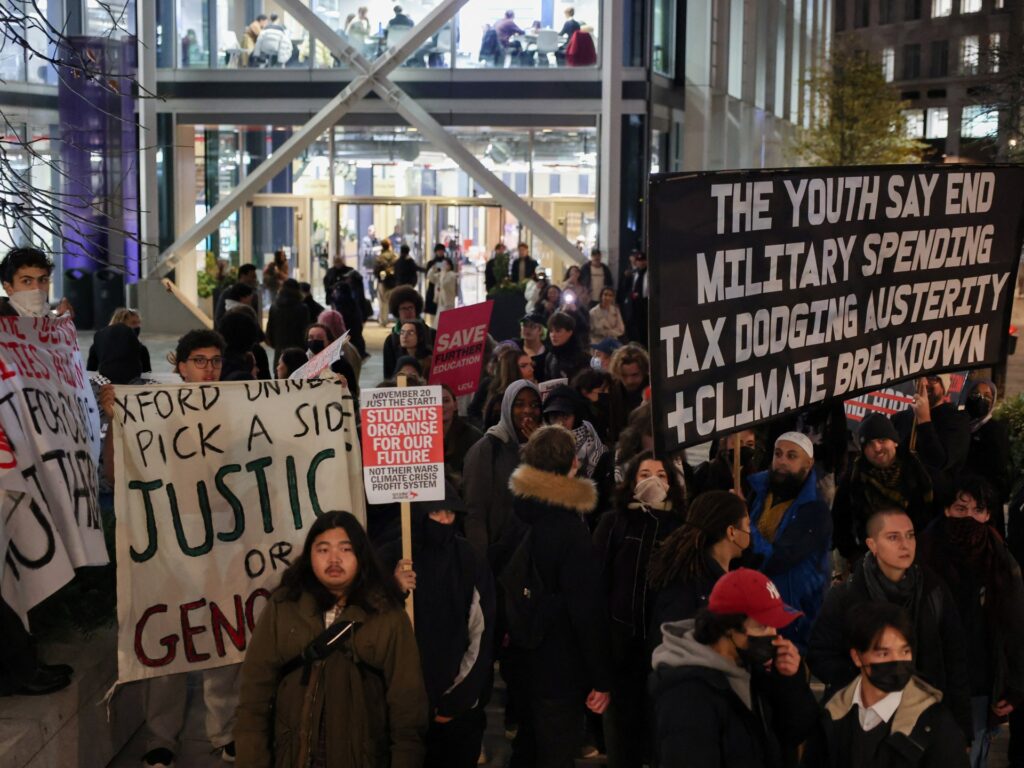
The simmering discontent: why British youth are restless
A combination of soaring living costs, precarious employment and a perceived democratic deficit has left many under‑25 Britons feeling abandoned. The Office for National Statistics reported that real wages for 18‑24‑year‑olds have barely kept pace with inflation since 2020, while rent prices in cities like London and Manchester have risen by more than 15 per cent in the past two years. Young people cite these pressures alongside climate anxiety and a sense that the political establishment is unresponsive to their future prospects.
Social media amplifies frustration, turning isolated grievances into collective narratives. Platforms such as TikTok and Discord host thousands of groups coordinating “cost‑of‑living” and “climate‑justice” campaigns, often borrowing tactics from recent French and Spanish street movements. According to a poll by YouGov, 58 % of respondents aged 18‑29 said they would join a mass protest if a clear demand was articulated, indicating a latent capacity for large‑scale mobilisation.
From Europe to the UK: a pattern of mass mobilisations
The past year has seen a wave of protests sweep across mainland Europe, from pension reforms in France to university fee hikes in Spain. Scholars note that these uprisings share a common thread: a generational clash over the distribution of wealth and political voice. Professor Elena García of the London School of Economics argues that “the European revolt is less about any single policy and more about a shared belief that the social contract is being renegotiated without youth input.”
British activists are watching these events closely, adopting similar slogans and organisational structures. In early October, a coalition of student unions in London staged a coordinated sit‑in that mirrored the “occupy‑the‑city” tactics used in Berlin earlier this year. The cross‑border diffusion of protest playbooks suggests that the UK could become the next focal point for a continent‑wide youth uprising.
What’s at stake for the UK’s economy and politics
If large‑scale demonstrations materialise, the immediate impact will be felt on the retail and transport sectors, which already report heightened security costs. More importantly, sustained unrest could pressure the government to revisit fiscal policies that many young voters view as unfair. The Treasury’s recent decision to freeze the universal credit uplift until 2027 has already sparked criticism from opposition parties, and a coordinated protest could force a parliamentary debate.
Politically, a youth‑led revolt could reshape the electoral map. The Labour Party’s recent manifesto pledges on tuition fees and green jobs aim to capture the disaffected demographic, while the Conservative leadership risks being painted as out‑of‑touch. Analysts at Bloomberg predict that a significant protest wave could swing up to 5 % of the youth vote away from the incumbent party in the next general election, a margin that could be decisive in marginal constituencies.
African diaspora and students: a voice in the coming protests
London hosts one of the largest African student populations in Europe, with Nigerians alone accounting for over 12 % of international enrolments at UK universities. These students are not insulated from the broader grievances; many rely on part‑time work that has been squeezed by rising living costs and are subject to visa restrictions that limit their ability to protest. According to the African Students Union (ASU), “our community feels a double burden – the same economic pressures as British peers, plus the uncertainty of immigration policy.”
The diaspora’s involvement could add a transnational dimension to any UK unrest. African‑British NGOs have historically mobilised around anti‑racism and immigration issues, and they are now linking those causes to the wider cost‑of‑living agenda. A joint statement released by the ASU and the UK‑based African Youth Network called for “solidarity across all youth movements to demand a fairer economy, climate justice and equitable migration policies.” Their participation may also draw media attention from African outlets, shaping narratives back on the continent about British governance.
Looking ahead: possible scenarios and what to watch
Experts outline three plausible trajectories. The first is a “contained flash” – a series of one‑day marches that force a policy tweak, such as a modest increase in universal credit. The second, more disruptive scenario envisions a prolonged series of nationwide strikes and blockades, similar to the 2022 French pension protests, which could compel the government to convene an emergency parliamentary session. The third, a “digital‑first” revolt, would see coordinated online actions that disrupt financial services and public transport ticketing systems, leveraging the tech‑savvy nature of today’s youth.
Key indicators to monitor include the frequency of coordinated calls on platforms like Discord, any uptick in police arrests of student activists, and statements from major trade unions that might lend institutional weight to the movement. If the UK government chooses early engagement – for example, by launching a youth advisory council on economic policy – it could defuse momentum. Conversely, a heavy‑handed police response could amplify grievances and push the protests into a broader anti‑establishment direction.
Quick Answers
What are the main reasons British youth are considering protests in 2026?
Rising living costs, stagnant wages, climate concerns and perceived political exclusion are driving many under‑25 Britons toward mass action.
How could African students in the UK influence upcoming protests?
African students, who form a sizable share of the international student body, are joining coalitions that link economic, immigration and climate demands, adding a transnational voice to the unrest.
What might happen if the protests turn into a prolonged movement?
A sustained campaign could force policy concessions on welfare benefits, trigger parliamentary debates, and potentially shift the youth vote in the next general election.
Source: www.aljazeera.com




💬 Comments 0