Brooklyn building collapse kills at least two, safety concerns rise in 2026
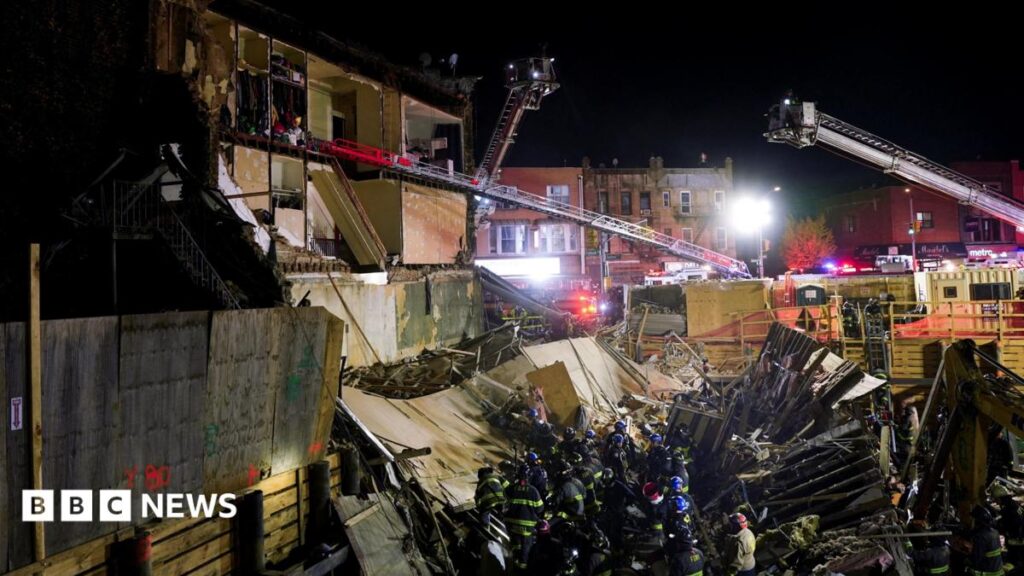
What happened: the three‑storey structure gave way
On Wednesday afternoon, a three‑storey residential building on Bedford Avenue in Brooklyn collapsed, trapping residents and leaving at least two dead, officials said. Emergency crews arrived within minutes, but the sheer weight of the debris made rescue operations extremely hazardous. The fire department, along with the New York Police Department’s emergency services unit, deployed heavy‑duty equipment and a specialized search‑and‑rescue team to locate any survivors trapped beneath the rubble.
Eyewitnesses described a sudden, thunderous crack followed by a cloud of dust and plaster that engulfed the street. Neighbours rushed to help, pulling out furniture and assisting first‑responders as they worked through the narrow alleyways. By late evening, officials confirmed that two people had been pronounced dead at a nearby hospital, while several others were being treated for injuries ranging from broken bones to respiratory issues caused by inhaling dust.
Why the incident matters beyond the immediate tragedy
The collapse is more than a localized disaster; it spotlights the growing strain on New York’s aging housing stock, especially in boroughs where rent pressure forces many families into older, poorly maintained buildings. When structures fail, the human cost is immediate, but the ripple effects touch insurance markets, municipal budgets, and the broader conversation about affordable housing policy.
Financial analysts note that each building failure can raise insurance premiums for landlords across the city, which may be passed on to tenants already struggling with soaring rents. Moreover, the incident adds urgency to the city’s already stretched inspection program, which has struggled to keep pace with the sheer volume of older apartments that require regular safety checks.
Historical context: aging infrastructure and enforcement gaps
Brooklyn’s housing inventory includes many buildings erected before 1950, many of which were never retrofitted to meet modern fire‑safety and structural standards. A 2023 report from the NYC Department of Buildings showed that over 30 % of the city’s residential units were classified as “high‑risk” due to outdated wiring, deteriorating foundations, or lack of fire suppression systems.
Critics argue that enforcement has been uneven. According to a recent investigation by The City Gazette, a number of violations issued to landlords in the past five years have gone unaddressed, partly because of limited staffing and the backlog of cases awaiting hearings. The Bedford Avenue collapse may become a catalyst for a more aggressive audit of similar structures, especially those located in densely populated neighborhoods.
Impact on African and immigrant communities in Brooklyn
The building housed a sizable number of recent African immigrants, many of whom arrived in New York seeking economic opportunity while sending remittances back home. Community leaders say that the tragedy has shaken a tightly‑knit diaspora that relies on affordable, multigenerational housing to maintain cultural ties and support networks.
“We lose not just a roof, but a place where children learn each other’s languages and elders share stories,” said Amina Yusuf, a community organizer at the West African Cultural Center. She added that many families now fear a repeat of such incidents, prompting discussions about collective ownership models that could give residents more control over maintenance decisions.
Policy response and what could change
Mayor Eric Adams announced on Thursday that the city will launch a rapid‑response task force to audit high‑risk residential buildings within the next 90 days. The initiative, called “Safe Homes NYC,” will prioritize structures with more than ten violations or those built before 1960. Officials say the task force will coordinate with the Department of Buildings, the Fire Department, and community boards to fast‑track repairs.
Housing advocacy groups, however, warn that without increased funding, the task force could become another paper exercise. A spokesperson for the Tenants’ Rights Coalition called for a city‑wide moratorium on evictions for residents displaced by safety repairs, arguing that many families cannot afford temporary relocation.
Looking ahead: lessons for cities worldwide
Urban centers across the globe face similar dilemmas: balancing the need for affordable housing with the imperative of structural safety. The Brooklyn collapse echoes incidents in Lagos, Mumbai and São Paulo, where rapid urbanisation has outpaced building code enforcement. Experts suggest that technology—such as drone‑based inspections and AI‑driven risk analytics—could help municipalities identify vulnerable buildings before they fail.
For African cities, the incident serves as a reminder that diaspora communities can act as early warning systems. Many immigrants maintain connections with relatives back home and can share best practices on building maintenance. Strengthening trans‑national networks may help both sending and receiving cities improve safety standards and protect vulnerable residents.
Quick Answers
How many people were confirmed dead in the Brooklyn building collapse?
Two people were confirmed dead, according to New York officials.
What city initiative aims to inspect high‑risk buildings after the collapse?
Mayor Eric Adams announced the “Safe Homes NYC” task force to audit high‑risk residential buildings within 90 days.
Why is the Brooklyn collapse significant for African immigrant communities?
The building housed many recent African immigrants, and the tragedy highlights housing insecurity and the need for safer, affordable homes within diaspora neighborhoods.
Source: www.bbc.co.uk




💬 Comments 0