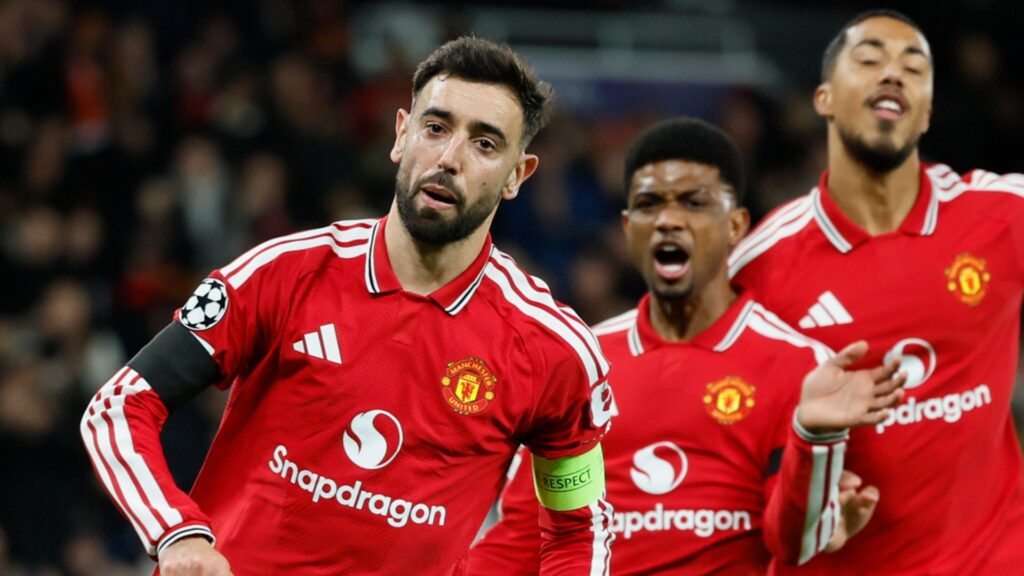
Bruno Fernandes backs Michael Carrick after United’s 3-2 Roma comeback, says players aren’t job saviors
Background: United’s turbulent season and Carrick’s appointment
Manchester United entered the 2026‑27 campaign under a cloud of uncertainty. After Erik ten Hag’s abrupt exit in May, the club promoted former midfielder Michael Carrick to the interim manager’s seat, hoping his deep knowledge of United’s culture would steady the ship. Carrick, who spent 17 years as a player in Manchester, was tasked with blending a youthful squad with a handful of high‑profile signings while maintaining the club’s global brand value.
The early months proved rocky. United slipped to a mid‑table position in the Premier League and suffered a humiliating 2‑0 loss to Roma in the Champions League group stage. The defeat sparked a wave of criticism on social media, with fans questioning whether Carrick’s tactical inexperience could survive the pressures of elite European competition.
What happened: Fernandes’ public defence and the Roma comeback
On November 4, 2026, United staged a dramatic 3‑2 comeback against Roma at Old Trafford, overturning a 2‑0 deficit with goals from Alejandro Garnacho, Jadon Sancho and a late strike by Bruno Fernandes himself. In the post‑match press conference, Fernandes praised Carrick’s calmness under pressure but was quick to reject the narrative that the dressing‑room had “saved” the manager’s job.
“I think the players don’t need to be the ones that decide whether a coach stays or goes,” Fernandes said, according to the club’s official media channel. “We’re here to play football, and the board makes the decisions. My job is to support the coach, not to be a vote‑catcher for his future.”
Why it matters: Power dynamics between players, management and owners
Fernandes’ comments touch on a growing tension in modern football: the balance of power between a squad’s senior figures and club hierarchies. In recent years, high‑profile players in Europe have increasingly voiced opinions on managerial appointments, sometimes prompting boardroom shake‑ups. United’s situation could set a precedent for how English clubs handle internal dissent, especially when a charismatic captain steps into the political arena.
If United’s board interprets Fernandes’ defence as a sign of unity, it may grant Carrick a longer leash, allowing him to implement a more consistent playing style. Conversely, should results falter, the same statements could be used to argue that senior players are shielding a manager who lacks the credentials to compete at the highest level.
African and diaspora implications: Market, talent pipeline and fan engagement
Manchester United remains one of the most followed clubs across Africa, with a massive fan base in Nigeria, Ghana, South Africa and the diaspora in the UK and the US. The club’s performance directly influences merchandise sales, broadcasting rights, and the visibility of African players who wear the red shirt. A stable managerial environment improves the chances that emerging African talents—such as Nigeria’s rising star Victor Osimhen’s younger cousin, striker Chukwudi Nwankwo—receive consistent playing time.
Moreover, United’s commercial partnerships with African brands, like the recent kit collaboration with South African sportswear maker Kappa, hinge on the club’s on‑field success. A high‑profile win, reinforced by a united dressing‑room, can boost viewership numbers for Premier League broadcasts on African satellite networks, translating into higher advertising revenue for both the club and local media outlets.
Broader pattern: Player‑led narratives in the era of social media
Fernandes’ outspoken stance is part of a wider trend where captains and senior players use their platforms to shape club narratives. In the past two seasons, players like Harry Kane at Tottenham and Lionel Messi at Inter Miami have publicly addressed coaching decisions, influencing fan sentiment and, occasionally, boardroom outcomes. Social media amplifies these statements, turning a single interview into a global conversation within minutes.
The risk, however, is that such interventions can backfire if on‑field results don’t match the rhetoric. Clubs may feel compelled to protect their brand image by distancing themselves from player opinions, leading to potential friction in future contract negotiations. United’s handling of Fernandes’ remarks will be watched closely by clubs across the continent, especially those that rely heavily on African talent and fan engagement.
What’s next: Carrick’s future, United’s season and the African market outlook
The immediate task for Carrick is to translate the morale boost from the Roma comeback into a steady Premier League run. Analysts from Sky Sports suggest that United needs at least 15 points from the next six matches to stay within the top four, a threshold that will likely determine whether Carrick’s interim contract is extended.
For African stakeholders, the stakes are equally high. A stable United could mean continued exposure for African players on the world stage, sustained merchandise sales in African markets, and ongoing investment in grassroots projects linked to the club’s academy network in Lagos and Nairobi. Conversely, another managerial upheaval could jeopardise these pipelines, prompting African agents to look toward clubs with clearer long‑term visions.
Quick Answers
Did Bruno Fernandes say the players saved Michael Carrick’s job?
No, Fernandes stated that players do not need to decide a coach’s fate, emphasizing that the board makes those decisions.
How could United’s performance affect African fans?
United’s success drives merchandise sales, TV viewership and the exposure of African players, influencing both market revenue and talent development.
What is Michael Carrick’s next challenge after the Roma win?
Carrick must secure consistent league points to keep United in the top‑four race and convince the board to extend his interim tenure.
Source: www.skysports.com

💬 Comments 0