Nicolas Pépé eye surgery eclipse rumor debunked: what it means for African fans and sports misinformation in 2026
Background: the eclipse and the player
On October 14, 2026, a total solar eclipse crossed parts of Europe and Africa, prompting a wave of social media posts urging people to protect their eyes. The event was heavily covered by news outlets, with health authorities in Ghana, Nigeria and Ivory Coast issuing advisories about using proper solar filters.
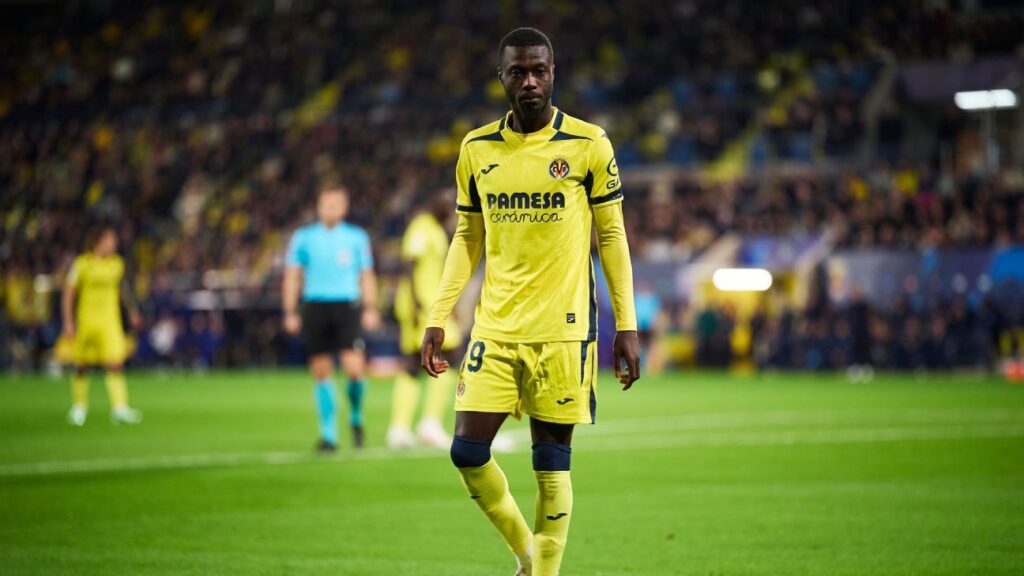
Nicolas Pépé, the Ivorian winger who currently plays for Villarreal in La Liga, became a focal point of the conversation when a short video surfaced showing him looking up at the sky during the eclipse. The clip was posted by an unnamed fan account and quickly went viral, sparking speculation that the player had suffered eye damage.
The rumor and how it spread
Within hours of the eclipse, a headline on a popular sports blog claimed that Pépé had undergone eye surgery because he stared at the sun without protection. The story was shared across Twitter, TikTok and WhatsApp groups, many of which are heavily used by African diaspora communities to discuss football.
The claim was not backed by any medical report or official statement. Instead, it relied on a grainy screenshot of a supposed hospital discharge form that later turned out to be a Photoshop mock‑up. By the time Villarreal issued a denial, the rumor had already generated thousands of comments and memes.
Why it matters: misinformation, health and player welfare
The episode highlights how quickly false health narratives can gain traction when they involve a high‑profile athlete. In regions where access to reliable medical information is limited, such stories can reinforce dangerous myths about eye care, especially during astronomical events that attract massive public interest.
For clubs, protecting a player’s reputation is a priority. Unfounded claims of surgery can affect contract negotiations, market value and fan perception. Villarreal’s swift refutation was therefore as much about safeguarding Pépé’s brand as it was about setting the record straight.
More broadly, the incident underscores a growing challenge for sports media: balancing breaking‑news speed with verification. The race to be first often sacrifices fact‑checking, and the resulting errors can spread faster than corrections, especially on platforms where algorithmic amplification favors sensational headlines.
African angle: eye health, celebrity influence and diaspora reactions
Pépé’s Ivorian roots give the story a particular resonance across West Africa. Eye‑related conditions such as cataracts and trachoma remain leading causes of visual impairment in the region, according to the World Health Organization. When a star from the continent is linked—rightly or wrongly—to eye injury, the narrative can shape public attitudes toward preventive measures.
In Ghana and Nigeria, health ministries used the eclipse to launch free distribution of solar‑filter glasses in schools. The false claim about Pépé threatened to undermine those campaigns by suggesting that even professionals cannot protect themselves, potentially fostering fatalism among young fans.
Diaspora communities in London, Paris and New York also reacted strongly. Several African‑focused fan groups on Facebook organized fact‑checking threads, while others posted reminders about safe eclipse viewing. Their response illustrates how African football icons can become informal health ambassadors, intentionally or otherwise.
Reactions from clubs, health bodies and the media
Villarreal released an official statement on November 22, 2026, confirming that Pépé had not undergone any eye procedure and that he was in full health. The club’s communications director, Marta Gómez, said the rumor “appears to be a fabricated story that gained momentum on social media.”
The International Agency for the Prevention of Blindness (IAPB) issued a brief advisory reminding the public that looking directly at a solar eclipse without certified filters can cause retinal burns, but also stressed that there is no evidence linking Pépé to any such injury. The agency’s spokesperson, Dr. Aisha Bello, noted that “high‑profile myths can distract from genuine public‑health messages.”
Mainstream sports outlets such as ESPN and BBC Sport ran correction pieces, while some tabloid sites chose to keep the sensational angle alive, citing “ongoing investigations.” This split coverage reflects a broader tension between click‑driven journalism and responsible reporting.
What’s next: media literacy, player education and African outreach
The episode is likely to accelerate efforts by football clubs and player unions to provide media‑training modules that address misinformation. The European Professional Footballers’ Association (EPFA) has already announced a pilot program that will teach players how to respond to health‑related rumors quickly and accurately.
In Africa, NGOs working on eye health see an opportunity to partner with football federations. A joint campaign between the Confederation of African Football (CAF) and the African Union’s health department could leverage the visibility of players like Pépé to promote safe eclipse viewing and regular eye‑checkups.
Finally, tech platforms are under pressure to improve their fact‑checking algorithms for sports content. After the Pépé incident, Twitter (now X) announced a trial of real‑time verification tags for viral sports claims, a move that could reduce the lifespan of false stories in the future.
Quick Answers
Did Nicolas Pépé really have eye surgery after the 2026 solar eclipse?
No, Villarreal confirmed that Pépé did not undergo any eye procedure and is fully fit.
How can fans watch a solar eclipse safely?
Use ISO‑certified solar viewing glasses or indirect methods like pinhole projectors; never look directly at the sun without proper protection.
Why do false health rumors about athletes spread so quickly?
High‑profile athletes attract massive attention, and sensational claims generate clicks; without rapid fact‑checking, misinformation can go viral within hours.
Source: www.espn.com
💬 Comments 0