Bruno Fernandes says Manchester United offered new deal but insists club must win first – 2026 contract standoff
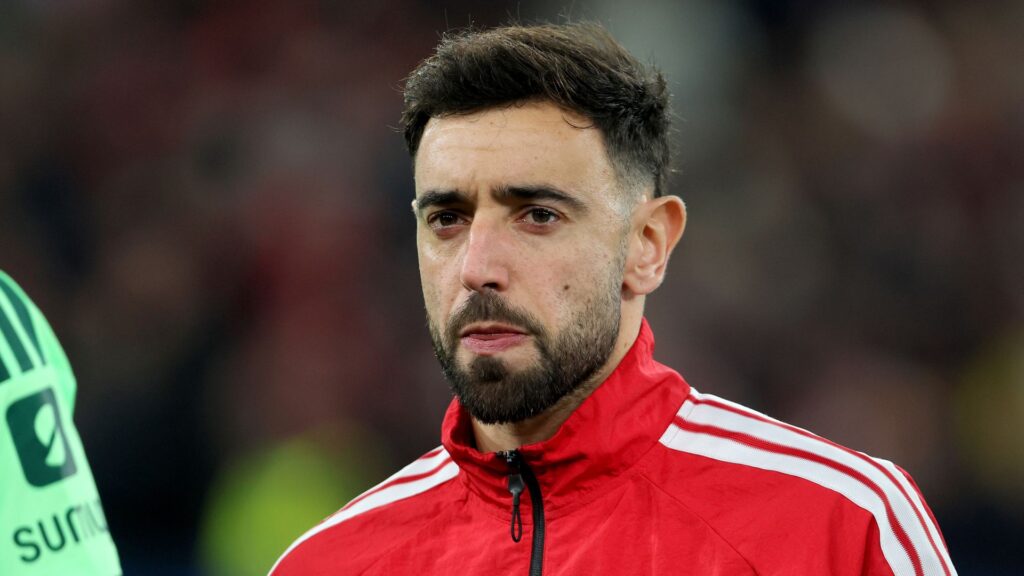
Background: Fernandes, United and the contract clock
Since arriving from Sporting Lisbon in 2020, Bruno Fernandes has become the creative engine of Manchester United, delivering 30-plus goal contributions in each of his first three seasons. His influence helped United finish second in the 2023‑24 Premier League and reach the Europa League final, but the club has struggled to translate that into a trophy under Erik ten Hag. Fernandes’ current contract runs until June 2026, meaning the next 12 months are crucial for both player and club.
United’s recent season was marked by inconsistency – a strong start, a mid‑campaign dip, and an early exit from the Champions League. The lack of silverware has intensified scrutiny on the squad’s core, especially on the midfield where Fernandes operates. As the transfer window looms, United’s hierarchy is keen to lock down key assets before the market heats up, while the Portuguese star appears to be using his leverage to push for tangible progress on the pitch.
What Fernandes told Sky Sports
In an exclusive interview with Sky Sports, Fernandes confirmed that United have put a fresh contract on the table but he has chosen to pause negotiations. He explained that “the priority has to be getting back to winning ways” and that he does not want a new deal to distract from the team’s immediate objectives. The midfielder also hinted that any future agreement would need to reflect United’s ambition to compete for titles, not merely financial terms.
The statement was clear: Fernandes is willing to stay, but only if the club’s performance improves. He did not disclose the length or financial details of the offer, but sources close to the club say the proposal includes a wage increase and a performance‑linked bonus structure. The timing of the interview, just weeks before the summer transfer window, suggests United are trying to gauge the midfielder’s stance before making any major signings.
Why the pause matters for United’s planning
A contract stalemate can have a ripple effect on transfer strategy. If Fernandes remains undecided, United may hesitate to spend heavily on a replacement midfielder, fearing they could lose a valuable asset for free in 2026. Conversely, a firm commitment could free up budget for reinforcements in defense and attack, areas identified as weak by ten Hag’s staff.
The situation also tests Erik ten Hag’s authority. Ten Hag has built a reputation for demanding collective responsibility, and a star player publicly linking his future to team success reinforces that culture. However, if negotiations stall for too long, it could create a perception of disunity, something United’s rivals have exploited in recent seasons.
From a commercial perspective, United’s brand value is heavily tied to on‑field success. A prolonged period without trophies threatens sponsorship renewals, especially in emerging markets where the club’s image drives merchandise sales. Keeping Fernandes happy while delivering results is therefore a balancing act that could shape United’s financial outlook for the next three years.
African fans, markets and the Fernandes factor
Manchester United remains one of the most popular clubs across Africa, with a fan base that spans from Nigeria to South Africa and the diaspora in the UK and the US. Fernandes, a Portuguese star of Cape Verdean descent, resonates with many African supporters who see his rise from modest beginnings to global stardom as a relatable story.
If United secure a new deal and subsequently deliver titles, the club’s already strong merchandising pipeline in Africa – including official jerseys, boots and digital content – could see a surge. In 2024, United’s African merchandise revenue grew by 12%, according to a Deloitte sports report, and a successful season often translates into higher sales spikes. Conversely, continued underperformance could dampen fan enthusiasm, leading to reduced ticket sales for pre‑season tours that traditionally include African cities.
Furthermore, the contract saga may influence young African talents eyeing the Premier League. Fernandes’ public insistence on winning before renegotiating signals to upcoming players that performance outweighs financial incentives. This narrative could shape how African academies prepare their prospects, emphasizing competitive impact over early contract extensions.
A broader trend: performance‑first contract talks
Fernandes is not the first high‑profile player to tie his future to a club’s success. In 2022, Liverpool’s Mohamed Salah reportedly delayed a new deal until the team secured a Champions League trophy, and Sadio Mané used a similar stance during his final year at Bayern Munich. Analysts note that this approach reflects a shift in player power dynamics, where stars leverage their on‑field importance to demand not just money but a clear sporting project.
The pattern also aligns with clubs’ growing reliance on performance‑related clauses. Contracts now frequently include bonuses tied to league position, cup victories, and even UEFA coefficient points. For United, embedding such clauses in Fernandes’ next agreement could protect the club financially while rewarding the midfielder if the team meets its objectives.
Critics argue that this trend could create a win‑or‑walk‑away mentality, potentially destabilising squads if key players walk out after a single poor season. However, supporters claim it forces clubs to stay ambitious and prevents complacency, a factor that could benefit the Premier League’s overall competitiveness.
What could happen next – scenarios and stakes
There are three plausible outcomes. First, United and Fernandes could reach a new agreement before the transfer window closes, giving the club certainty and allowing ten Hag to focus on squad building. Second, talks could remain at an impasse, prompting United to explore a sale in the summer, though market demand for a midfielder of Fernandes’ caliber would likely keep his price high. Third, the club might decide to keep the existing contract and use the negotiation pause as motivation, hoping early‑season results will persuade Fernandes to sign a new deal later.
Regardless of the path chosen, the stakes are high. A renewed contract tied to performance could act as a catalyst for United’s title chase, while a breakdown could signal a period of transition, potentially opening the door for emerging African talent to fill the creative void. For the club’s African supporters, the outcome will directly affect the emotional and commercial connection they maintain with the Red Devils for years to come.
Quick Answers
Has Manchester United offered Bruno Fernandes a new contract?
Yes, United have presented a fresh deal, but Fernandes has chosen to delay negotiations until the team starts winning again.
Why is Bruno Fernandes linking his contract talks to United's performance?
Fernandes says the club’s priority must be returning to winning ways, and he wants any new agreement to reflect a genuine title‑contending project.
How could this contract saga affect United’s African fan base?
If United secure titles after a new deal, merchandise sales and fan engagement in Africa are likely to rise; prolonged underperformance could dampen that enthusiasm.
Source: www.skysports.com




💬 Comments 0