Bulgaria weapons plant fire suspected sabotage 2026 raises NATO and African arms supply concerns
Background: Bulgaria’s defence sector and its global reach
Bulgaria’s defence industry, anchored by the state‑owned firm Arsenal AD, has become a modest yet strategic supplier of small arms, ammunition and specialised equipment to NATO members and a handful of African militaries. Over the past decade the country has secured contracts with Nigeria, Kenya and the Democratic Republic of Congo, offering affordable alternatives to Western‑made weapons. Those deals have helped Bulgaria diversify its export market and have given African forces access to reliable, Russian‑style hardware that can be maintained locally.
Since Russia’s invasion of Ukraine, European defence sites have been under heightened scrutiny for possible sabotage or espionage. A spate of incidents – from the 2024 arson at a German missile factory to a 2025 cyber‑attack on a Polish ammunition depot – has fed a narrative that hostile actors may be targeting the continent’s supply chain for weapons. Bulgaria’s own security services have warned that “outside interference” could become a recurring threat as the country deepens its NATO commitments.
The fire and immediate response
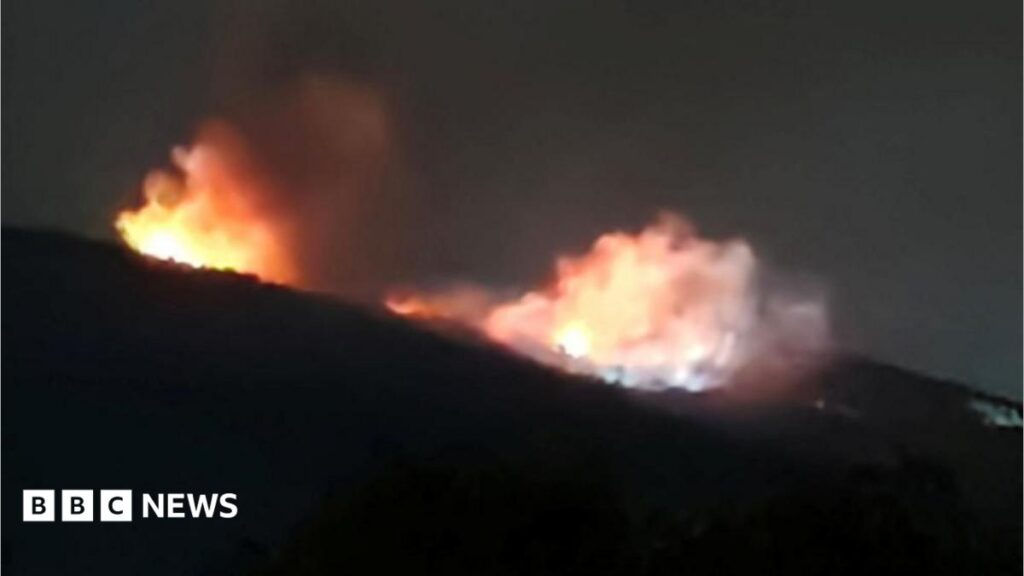
On 10 September 2026 a blaze erupted at Arsenal AD’s ammunition storage complex near the town of Sliven. Firefighters contained the flames after three hours, but the incident left a quarter of the site’s stockpiled rounds damaged. Bulgarian Interior Ministry officials confirmed that the cause of the fire is still under investigation, while refusing to rule out sabotage. The company’s CEO, Georgi Petrov, publicly accused “deliberate sabotage” and demanded a swift, transparent probe, citing security camera footage that showed a suspicious vehicle entering the perimeter minutes before the fire started.
Local police have sealed off the area and are analysing forensic evidence, including accelerant traces and the vehicle’s licence plate. Meanwhile, NATO’s Allied Command Transformation has offered technical assistance, emphasizing that any disruption to a member’s arms production could have ripple effects across the alliance’s logistics network.
Why it matters for Europe and Africa
For NATO, the Sliven site is a key node in the alliance’s ammunition stockpile strategy, especially after the EU’s decision in 2024 to boost intra‑European arms reserves. A loss of even a fraction of Bulgaria’s output could force member states to seek alternative suppliers, potentially driving up prices and stretching already‑tight supply chains. The incident also underscores a vulnerability: a single sabotage event can jeopardise months of production and delay deliveries to front‑line units in Ukraine and the Balkans.
African buyers feel the impact indirectly. Nigeria’s 2025 procurement of 5,000 M4‑style rifles from Arsenal AD was scheduled for delivery in early 2027, with spare‑parts kits sourced from the same Bulgarian facility. If the fire has compromised inventory or slowed manufacturing, Nigerian defence officials may face postponements, forcing them to look to other sources such as Turkey or domestic production. Similar contracts with Kenya’s army for 7.2 mm ammunition could also be delayed, affecting training cycles and border‑security operations.
Reactions and theories: who might be behind the blaze?
The Bulgarian government has called the incident “a serious breach of national security” and pledged a full parliamentary inquiry. Interior Minister Ivan Kirilov warned that any foreign meddling would be treated as a criminal act under the country’s anti‑terrorism laws. NATO’s spokesperson, Jens Müller, stopped short of assigning blame but reiterated the alliance’s commitment to protect critical defence infrastructure across member states.
Analysts in Brussels and Washington have floated several hypotheses. Some point to Russian intelligence services, arguing that the fire fits a pattern of covert operations aimed at weakening NATO’s logistical capacity. Others suggest domestic actors—such as disgruntled workers or organized crime groups—might have acted for financial gain. According to a report by the European Defence Review, the presence of a foreign‑registered vehicle near the site aligns with known Russian “grey‑zone” tactics used in previous sabotage cases.
What comes next: investigation, policy shifts and African market implications
The next few weeks will determine whether the fire is classified as an act of sabotage or a tragic accident. Bulgarian prosecutors are expected to request a European Union‑wide forensic team, while NATO may push for a joint security protocol that tightens surveillance of defence plants in member states. If sabotage is confirmed, the alliance could impose additional counter‑intelligence measures, potentially including stricter export licensing for countries that rely on Bulgarian arms.
For African customers, the key takeaway is the need to diversify supply chains. The incident has already prompted the Nigerian Ministry of Defence to accelerate talks with Turkish firm Roketsan and to explore local refurbishment programmes for older weapons. Kenyan officials, meanwhile, are reviewing contingency plans that include stockpiling spare parts from multiple sources to avoid a single‑point failure. In the longer term, the fire may stimulate a modest push for greater African‑led defence manufacturing, as countries seek to insulate themselves from external disruptions.
Quick Answers
What caused the fire at the Bulgarian weapons plant?
Investigators have not yet confirmed a cause, but the plant’s owner alleges sabotage and authorities have not ruled out outside interference.
How could the fire affect African countries that buy weapons from Bulgaria?
Delays in production may postpone deliveries of rifles and ammunition to nations such as Nigeria and Kenya, prompting them to seek alternative suppliers.
Is Russia suspected of being behind the sabotage?
Some security analysts cite Russian “grey‑zone” tactics as a possible motive, but no official evidence has been presented yet.
Source: www.bbc.co.uk




💬 Comments 0