California AG Rob Bonta says blocking Paramount‑Skydance/Warner Bros. Discovery merger needs robust structural remedies, 2026
Background: The proposed Paramount‑Skydance/WBD tie‑up
In early 2024, Paramount Global announced a plan to merge its film studio with Skydance Media, a deal that would later be combined with Warner Bros. Discovery (WBD) in a mega‑consolidation worth roughly $30 billion. The combined entity would control a portfolio of blockbuster franchises, a sprawling library of television content, and a suite of streaming platforms that already dominate the U.S. market.
Regulators in the United States and Europe have been scrutinising the transaction for its potential to curb competition, raise subscription prices, and limit the bargaining power of independent producers. While the Federal Trade Commission (FTC) has opened a formal antitrust investigation, several states, led by California, have filed separate lawsuits to block the merger unless the companies agree to comprehensive structural divestitures.
The California lawsuit, filed in March 2025, argues that the merger would create a de‑facto monopoly over premium‑tier streaming, theatrical distribution, and ancillary services such as merchandising and video‑games. The case is now moving toward a pre‑trial conference, where the state will outline the specific remedies it believes are necessary to preserve a competitive landscape.
California’s antitrust challenge and Bonta’s remarks
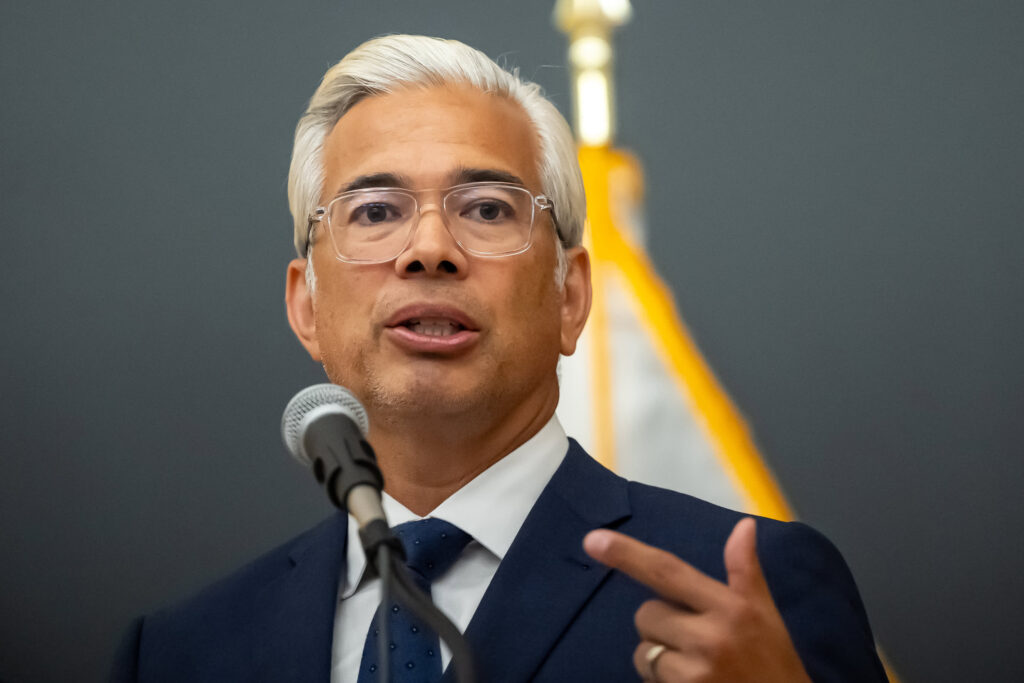
During a CNBC interview on August 21, 2026, California Attorney General Rob Bonta explained that any settlement of the lawsuit would have to include "robust structural remedies" that go beyond simple divestitures. According to CNBC, Bonta said the state is prepared to demand the creation of a new, independent streaming service that would receive a fair share of the merged company’s content library.
Bonta also warned that a settlement that merely splits off a few non‑core assets would be insufficient, because the core market power resides in the combined company’s control of distribution pipelines and advertising networks. He cited the FTC’s earlier request for a “functional separation” of the streaming and theatrical arms as a benchmark for what California expects.
Legal analysts at the firm Gibson Dunn have noted that Bonta’s stance raises the stakes for the parties, as structural remedies often require lengthy monitoring and could force the merged firm to spin off entire business units. If the state succeeds, the settlement could set a precedent for future media mergers across the United States.
Why the case matters for competition and content diversity
The primary concern for antitrust officials is that the merger would give the new conglomerate unprecedented leverage over licensing fees paid to independent studios and content creators. With fewer buyers for their films and series, producers could see reduced advance payments and tighter contractual terms, potentially stifling innovation in storytelling.
Beyond price effects, the merger threatens the diversity of voices on major streaming platforms. A single entity controlling both legacy libraries and new productions can prioritise its own franchises, marginalising niche or culturally specific content that may not fit the blockbuster formula. This risk is amplified in the United States, where minority‑focused production houses already struggle to secure prime placement on major services.
Consumer advocates argue that reduced competition could also lead to higher subscription costs and fewer consumer‑friendly features, such as flexible pricing tiers or ad‑supported options. In previous media consolidations, such as the Disney‑Fox deal, price hikes were documented within two years of closure, a pattern regulators hope to avoid this time.
Implications for African creators, diaspora audiences, and local streaming markets
African filmmakers and series producers have increasingly relied on global streaming giants to reach audiences beyond the continent. A more concentrated Paramount‑Skydance/WBD entity could tighten the gatekeeping function, making it harder for African titles to secure placement on high‑visibility shelves. According to a report by the African Media Initiative, 2024 saw a 12 % rise in African‑origin content on major platforms, a trend that could stall if licensing negotiations become less favourable.
The diaspora market in Europe and North America is a key revenue driver for African‑themed series such as "Blood & Water" or "Queen Sono". If the merged company decides to prioritise its own catalogue, African creators may need to turn to regional players like Showmax, IROKOtv, or emerging pan‑African services such as Kwesé Play to distribute new productions. This shift could stimulate a more autonomous ecosystem, but it also risks limiting exposure to the massive subscriber bases of the former giants.
Furthermore, the structural remedies Bonta is pushing for could create a new, independent streaming platform that is required to carry a certain percentage of non‑U.S. content. If such a platform is mandated, African producers could gain a guaranteed outlet, similar to the European Union’s “cultural exception” rules that reserve a share of broadcast time for local works. Industry insiders in Lagos and Nairobi are watching the case closely, hoping it might open a back‑door for African stories to reach a global audience.
What comes next: legal timeline and possible outcomes
The next procedural step is a pre‑trial conference scheduled for late September 2026, where the California AG’s team will file a detailed list of structural remedies it expects. The merged companies are likely to respond with a counter‑proposal that may include a partial spin‑off of the streaming business and a commitment to keep certain licensing terms open to third‑party distributors.
If the parties cannot reach a settlement, the case will move to trial in the U.S. District Court for the Central District of California, with a tentative trial date set for spring 2027. A trial verdict could either block the merger outright, force a breakup of the combined entity, or allow it to proceed with court‑mandated divestitures. Each scenario carries distinct implications for the market, ranging from a re‑energised competitive field to a prolonged period of uncertainty for investors.
Stakeholders outside the United States, including African content creators and streaming platforms, should prepare for both possibilities. A blocked merger could preserve the current competitive dynamics, keeping multiple global players vying for African licences. Conversely, a merger that proceeds with limited remedies may push African producers to diversify distribution strategies, potentially accelerating the growth of home‑grown streaming services across the continent.
Quick Answers
What structural remedies is California demanding in the Paramount‑Skydance/WBD case?
The state wants a new, independent streaming service and a functional separation of the merged company's streaming and theatrical businesses to prevent market dominance.
How could the merger affect African content on global streaming platforms?
A larger conglomerate could tighten licensing terms, making it harder for African titles to secure prominent placement, but mandated remedies might also guarantee a share of non‑U.S. content.
When is the next major court date for the California lawsuit?
A pre‑trial conference is slated for late September 2026, with a possible trial set for spring 2027 if no settlement is reached.
Source: www.cnbc.com




💬 Comments 0