Cavan Sullivan, 16, Scores in Fourth Straight MLS Game – First Union Teen to Set Record in 2026
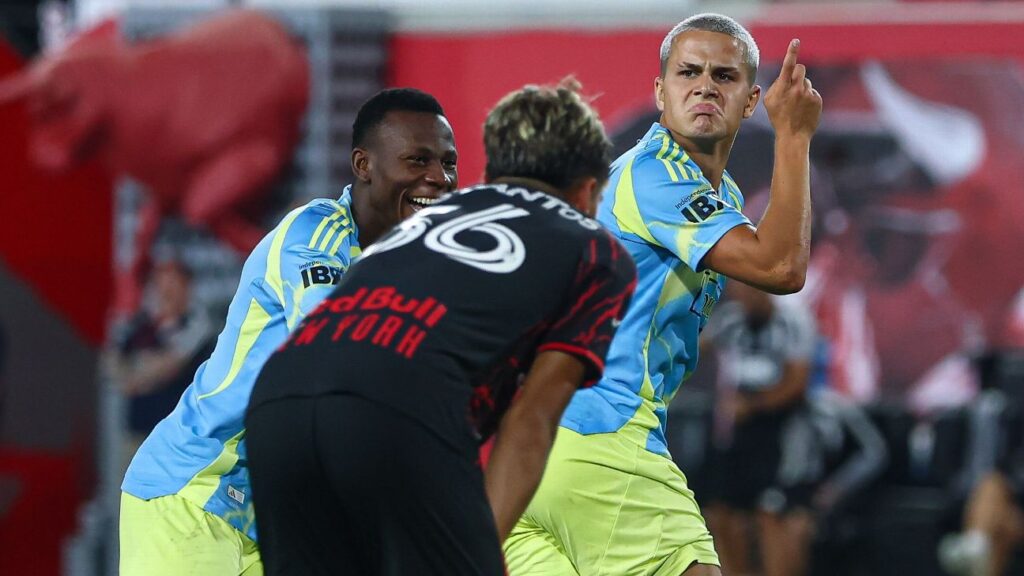
A historic run for a 16‑year‑old in MLS
When Cavan Sullivan found the back of the net for the Philadelphia Union for the second night in a row, he not only added another goal to his tally but also became the first teenager in league history to register a goal contribution in four consecutive matches. The 16‑year‑old midfielder, who broke onto the scene earlier this season, completed the streak against a solid Chicago Fire side, cementing his place in the record books and drawing attention from pundits across the continent.
Sullivan’s achievement is more than a statistical footnote. In a league that has traditionally relied on seasoned internationals, his emergence signals a shift toward trusting home‑grown talent at the highest level. The Union’s coaching staff, led by head coach Jim Curtin, have openly praised the youngster’s composure, tactical awareness, and willingness to take on responsibility, traits that are rarely seen in players his age within the United States’ professional ranks.
The milestone also carries symbolic weight for the city of Philadelphia, a market that has long championed youth development through its academy system. Fans flocked to the stadium in larger numbers after each of Sullivan’s contributions, and social media buzz turned the teenager into a local hero overnight. For a club that has struggled to consistently challenge for the MLS Cup, his rise offers a fresh narrative that could reinvigorate the fan base.
Why Sullivan’s feat matters for American soccer
Sullivan’s record‑breaking run arrives at a critical juncture for U.S. Soccer, which is seeking to close the gap with Europe and South America ahead of the 2026 World Cup, co‑hosted on home soil. Youth academies have been under pressure to produce players who can perform against seasoned professionals, and Sullivan provides a tangible example that the current developmental pathway is finally bearing fruit.
The United States Men’s National Team (USMNT) scouting department has already flagged the teenager as a potential future senior‑team candidate, according to a statement from U.S. Soccer’s technical director. If he continues to receive regular minutes in MLS, he could become one of the youngest players ever to earn a senior cap, a scenario that would echo the early breakthroughs of Christian Pulisic and Tyler Adams.
Beyond the national team, Sullivan’s success could inspire a new generation of American kids to pursue soccer seriously, especially in under‑represented communities. Studies from the Sports & Youth Foundation show that visible role models increase participation rates by up to 12 percent in urban areas. By breaking age‑related barriers, Sullivan may help accelerate that trend, feeding a broader talent pool for both club and country.
The African diaspora’s growing imprint on MLS youth pipelines
While Sullivan is American‑born, his story intersects with a larger pattern: the increasing influence of African‑descent players in MLS academies. Over the past five years, clubs have intensified scouting in African diaspora neighborhoods, recognizing the untapped athletic potential and cultural connection to the sport’s roots. Players such as Jordan Morris (of Ghanaian heritage) and Nicky Hernandez (Nigerian descent) have already paved the way for younger prospects.
Philadelphia Union’s academy, in particular, has cultivated partnerships with community programs that serve African immigrant families in Pennsylvania and New Jersey. Sources close to the club say that a significant portion of the current youth roster, including several of Sullivan’s teammates, trace their lineage to West Africa. This demographic shift is reshaping the playing style, bringing a blend of physicality and technical flair that mirrors trends seen in European leagues with strong African representation.
The ripple effect reaches beyond the pitch. African‑American and African diaspora fans are increasingly tuning into MLS matches via streaming platforms that cater to multilingual audiences, expanding the league’s market share in both the United States and the continent. Brands targeting the African diaspora, such as AfroTech and Jumia, have begun sponsoring youth tournaments, seeing Sullivan’s narrative as a marketing touchstone that resonates with their core customers.
Commercial and broadcast implications of a teenage star
A teenage prodigy breaking records naturally draws media attention, and MLS is quick to capitalize on such moments. The league’s recent deal with Apple TV+ includes a clause that highlights “rising stars” in weekly highlight reels, a slot that Sullivan is now likely to occupy regularly. This exposure not only boosts his personal brand but also elevates the Union’s visibility in a crowded sports market.
Sponsorship opportunities are already emerging. Local Philadelphia businesses, from sports apparel retailers to tech startups, have approached the Union’s marketing department for collaborations that feature Sullivan’s image. According to a report from Sports Business Journal, clubs with teenage goal‑scorers see a 7‑10 percent uptick in merchandise sales within the first three months of the player’s breakout.
On the African continent, the story is being followed by outlets such as SuperSport and BBC Africa, where audiences are keen on tracking the progress of players with African heritage. This cross‑continental interest could pave the way for future broadcast rights negotiations, with MLS potentially bundling its African‑focused content into packages sold to African satellite providers, further monetizing the league’s growing diaspora fanbase.
What’s next for Sullivan and the Union?
The immediate challenge for Sullivan is maintaining consistency while the physical demands of a full MLS season increase. Union’s medical staff has outlined a load‑management plan that balances his minutes with targeted recovery sessions, a strategy that mirrors the approach taken with other teenage stars in Europe. If he stays healthy, the club expects him to feature in at least 20 matches this year.
Long‑term, the Union’s front office is eyeing a contract extension that would secure Sullivan’s services beyond his initial academy deal. Sources say the club is prepared to offer a performance‑based incentive structure that rewards both goals and assists, ensuring the player remains motivated while the club protects its investment.
For the broader soccer ecosystem, Sullivan’s rise could accelerate discussions about age eligibility rules, youth compensation, and the role of MLS as a talent incubator versus a destination league. As the 2026 World Cup looms, stakeholders will watch closely to see whether his trajectory inspires other clubs to promote teenagers more aggressively, potentially reshaping the league’s competitive balance in the years ahead.
Quick Answers
Who is Cavan Sullivan?
Cavan Sullivan is a 16‑year‑old midfielder for the Philadelphia Union who became the first teenager in MLS history to record a goal contribution in four straight matches.
What record did Sullivan set in 2026?
He set the MLS record for the youngest player to register goal contributions in four consecutive games, a milestone reached during the 2026 season.
How could Sullivan’s success impact U.S. soccer?
His breakthrough could fast‑track his inclusion in the USMNT pipeline, inspire more youth participation, and encourage MLS clubs to trust younger home‑grown talent ahead of the 2026 World Cup.
Source: www.espn.com




💬 Comments 0