China’s Q3 GDP jumps 4.5% in 2026, AI‑driven export boom beats forecasts
Post‑pandemic recovery and the road to 4.5% growth
After two years of uneven rebounds, China’s economy finally showed a clear upward turn in the third quarter of 2026, expanding at an annualised 4.5% rate. The figure topped the 4.2% consensus among economists surveyed by Bloomberg and marked the first time since 2021 that growth surpassed the 4% threshold, signalling that the country’s stimulus measures and easing of lockdowns are taking effect.
The surge follows a modest 3.8% rise in Q2, which had been weighed down by weaker domestic consumption and lingering supply‑chain bottlenecks. Analysts point to a combination of lower energy prices, a revived property market, and a strategic pivot toward high‑tech manufacturing as the key catalysts that lifted the quarterly performance.
Export numbers reveal an AI‑powered lift
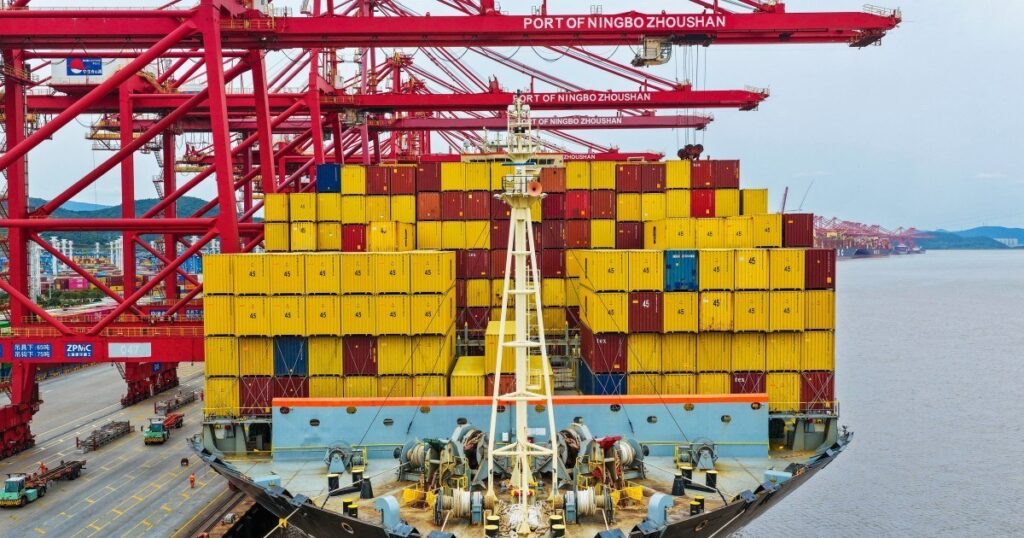
China’s export data for the quarter showed a 9.3% year‑on‑year increase, the strongest growth in any sector since 2018. The bulk of the rise came from products linked to artificial‑intelligence hardware – such as AI chips, robotics components, and smart‑manufacturing equipment – which together accounted for roughly 42% of the export gain, according to data released by the Ministry of Commerce.
Trade partners in Europe and North America posted record imports of Chinese AI gear, while Southeast Asian buyers also stepped up purchases. Industry insiders say the surge reflects a global scramble to adopt AI‑enabled automation ahead of the 2027 industrial‑policy deadlines set by the United States and the European Union.
Why AI is now the engine of China’s export strategy
In 2024, Beijing announced the “New Generation AI Manufacturing Plan,” promising subsidies, tax breaks, and preferential land allocation for firms that develop AI‑centric production lines. By mid‑2026, more than 300 companies had qualified for the program, creating a dense ecosystem that feeds both domestic demand and overseas orders.
The policy shift also dovetails with China’s ambition to move up the value chain, reducing reliance on low‑cost labor and raw‑material exports. As a result, firms are re‑tooling factories with collaborative robots and edge‑computing platforms, a trend that has been highlighted in reports by the International Data Corporation (IDC).
Implications for African economies and the continent’s tech sector
Africa’s export profile is tightly linked to China’s demand for minerals such as cobalt, lithium, and rare‑earth elements – all essential for AI chips and electric‑vehicle batteries. A stronger Chinese export market translates into higher commodity prices, which could boost revenues for mining nations like the Democratic Republic of Congo, Zambia, and Botswana. The World Bank estimates that a 5% rise in rare‑earth prices could add up to $1.3 billion to the DRC’s export earnings in 2027.
Beyond minerals, the AI boom opens doors for African tech firms seeking partnerships. Nairobi’s “Silicon Savannah” and Lagos’s growing fintech scene have already attracted Chinese venture capital, and the latest export surge may accelerate joint‑development projects in AI‑driven agriculture, health diagnostics, and renewable‑energy management. According to a report by the African Development Bank, Chinese‑African tech collaborations grew by 18% in 2026, a trend likely to intensify as Beijing looks for overseas data‑centres and testing grounds.
Market reactions and diaspora perspectives
Global equity markets responded positively on the news, with the MSCI Emerging Markets Index climbing 1.2% on the day of the announcement. Investors cited the AI‑export surge as a signal that China’s growth engine is diversifying away from traditional manufacturing, reducing the risk of a sudden slowdown.
The Chinese diaspora in North America and Europe also took note. Community business councils reported an uptick in inquiries about sourcing AI components from China for start‑ups, while cultural organisations highlighted the narrative shift from “factory floor” to “innovation hub” in their outreach campaigns.
What to watch in the coming months
The next quarter will be a litmus test for the durability of the AI‑driven export surge. Analysts will monitor whether the momentum holds as the United States tightens export‑control rules on advanced semiconductors, a move that could force Chinese firms to seek alternative supply chains, potentially involving more African partners.
Policy‑makers in Africa should prepare for both upside and downside. While higher commodity prices can swell fiscal coffers, they also risk inflating local currencies and crowding out other export sectors. Strategic dialogue between African ministries of trade and Chinese counterparts, perhaps through the Forum on China‑Africa Cooperation (FOCAC) slated for early 2027, will be crucial to channel benefits into sustainable industrial development.
Quick Answers
What drove China’s Q3 GDP to grow 4.5% in 2026?
The growth was powered by a 9.3% rise in exports, especially AI‑related hardware, alongside lower energy costs and a rebound in the property market.
How does China’s AI export boom affect African economies?
Higher demand for AI chips raises prices for minerals like cobalt and rare‑earths, boosting earnings for African mining exporters and spurring tech partnerships.
What should investors watch after China’s strong Q3 data?
Key indicators include the next quarter’s export figures, U.S. semiconductor export controls, and the pace of Chinese‑African tech collaborations.
Source: www.aljazeera.com




💬 Comments 0