Israel election 2026: Arab-led and ultra‑Orthodox parties as kingmakers after Oct 27 vote
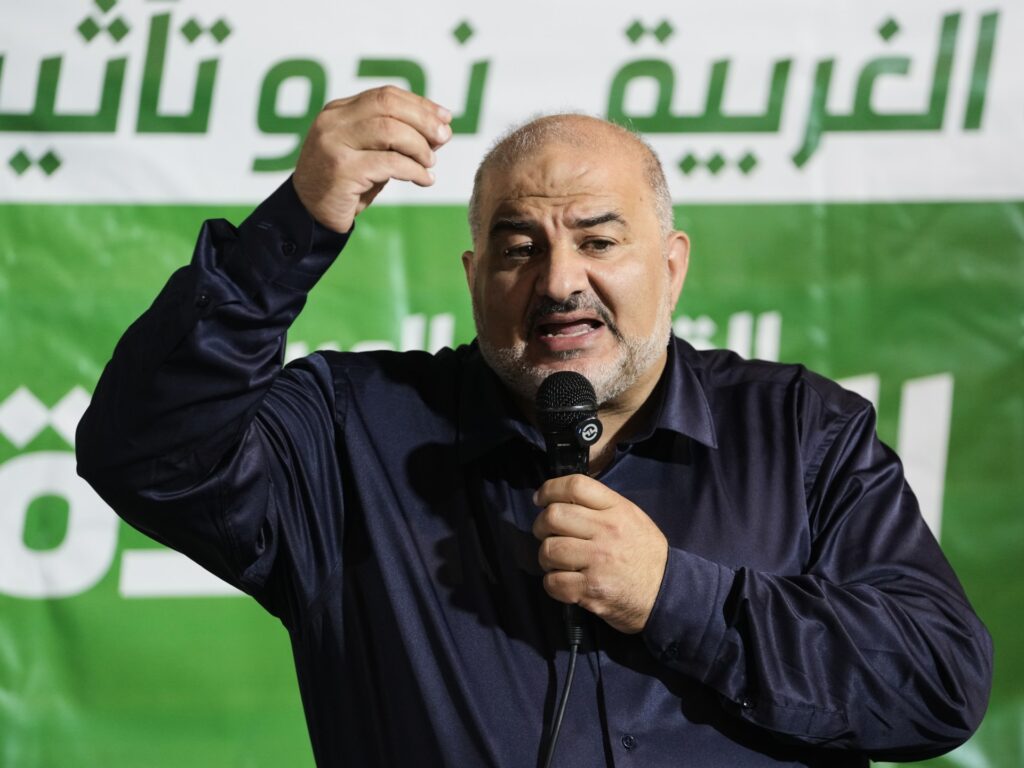
A fractured Knesset and a looming deadline
Israel’s 25th parliamentary election is set for October 27, 2026, after a series of inconclusive polls and two failed attempts to form a stable government since the last vote in 2022. The country’s 120‑seat Knesset is once again split among a dozen parties, none of which can command a majority on its own. This fragmentation reflects deep societal cleavages – between secular and religious voters, between Jewish and Arab communities, and between the security‑focused right and the more liberal left.
The electoral system, based on nationwide proportional representation, rewards even the smallest parties with a seat if they cross a 3.25 % threshold. As a result, coalition‑building has become a marathon rather than a sprint, with each party bargaining for ministries, budget allocations, and policy concessions. Analysts warn that the longer the deadlock, the greater the risk of policy paralysis on issues ranging from the cost‑of‑living crisis to the ongoing conflict with Gaza.
Who the kingmakers are: Arab‑led lists and the ultra‑Orthodox bloc
Two political blocs have emerged as decisive power‑brokers: the Arab‑led Joint List and its off‑shoots, and the ultra‑Orthodox parties led by Shas and United Torah Judaism. Together they control roughly 30 % of the Knesset seats – enough to tip any coalition over the 61‑seat majority line. Both blocs have historically been excluded from the core governing coalitions, but their support is now essential for any candidate hoping to form a government.
The Arab parties, while sharing a common platform of greater civil rights for Israel’s Arab minority and a push for a more diplomatic approach to the Palestinian issue, are not monolithic. Recent internal polls suggest that the Joint List could secure between 10 and 12 seats, depending on voter turnout in Arab‑majority towns. Meanwhile, the ultra‑Orthodox parties, which collectively command about 12 seats, are focused on preserving state funding for their religious schools (yeshivas) and maintaining exemptions from military service for their male members.
Why this balance of power matters for Israel and the region
The stakes extend far beyond domestic policy. A coalition that leans on the ultra‑Orthodox bloc is likely to prioritize a hard‑line security agenda, potentially deepening Israel’s military posture in the West Bank and along the Lebanese border. Conversely, a deal that includes Arab‑led parties could force the new government to address longstanding grievances over land, policing, and resource allocation, which could ease tensions with neighboring Arab states that watch Israel’s internal politics closely.
International investors also keep a close eye on coalition outcomes. The ultra‑Orthodox parties have historically opposed large‑scale economic reforms, such as deregulating the tech sector, whereas Arab parties have advocated for greater transparency and anti‑corruption measures. According to a report by the Israeli Economic Forum, market volatility could rise by up to 7 % in the weeks following the election, depending on which bloc extracts the most concessions.
African and diaspora dimensions that Western wires often miss
Africa’s ties to Israel have grown in the last decade, especially in the fields of agriculture, water technology, and cybersecurity. Countries like Ethiopia, Kenya, and Nigeria have signed multi‑billion‑dollar deals with Israeli firms that rely on stable diplomatic relations. A coalition heavily influenced by the ultra‑Orthodox bloc may prioritize security‑related exports, potentially sidelining joint agricultural projects that benefit African smallholders.
The Arab‑led parties, on the other hand, maintain stronger cultural links with the sizable Arab‑African diaspora in cities such as Lagos, Johannesburg, and Nairobi. Their presence in the coalition could open space for dialogue on migration policies, especially concerning the growing number of African asylum seekers who transit through Israel on their way to Europe. Diaspora organisations in the United States and Europe have already warned that a government perceived as exclusionary could spark protests in African consulates across the globe.
What comes next: coalition talks, policy trade‑offs and possible scenarios
Within days of the October 27 vote, the president of Israel is expected to task the party leader who garners the most seats with forming a coalition. That leader will have to negotiate with at least one of the two kingmaker blocs. Early signals from Shas’s leader, Rabbi Aryeh Deri, suggest a willingness to join a right‑wing government if his demand for a 15 % increase in the religious‑education budget is met. Meanwhile, the Joint List’s spokesperson, Ahmad Tibi, has hinted that any coalition must adopt a “balanced approach” to the Palestinian issue and guarantee proportional representation in key ministries.
Political scientists outline three plausible outcomes: (1) a right‑leaning coalition anchored by the ultra‑Orthodox bloc, which would likely keep the current security‑first narrative; (2) a centrist‑left coalition that brings the Arab parties into the fold, potentially reshaping Israel’s domestic agenda; or (3) a stalemate that triggers a third election within a year, a scenario that could exacerbate public fatigue and economic uncertainty. Observers note that the next 60 days will be crucial for businesses, NGOs, and diaspora groups that depend on policy continuity.
Quick Answers
Which parties are considered the kingmakers in Israel’s 2026 election?
The Arab‑led Joint List and the ultra‑Orthodox parties Shas and United Torah Judaism together hold enough seats to swing any coalition over the 61‑seat majority.
How could the election outcome affect African‑Israeli trade partnerships?
A coalition dominated by ultra‑Orthodox interests may prioritize security exports over agricultural tech, while an Arab‑inclusive government could keep channels open for joint water‑and‑farming projects that benefit African partners.
When will coalition talks likely begin after the October 27 vote?
The president must assign a party leader to form a government within 28 days of the election, so negotiations are expected to start in early November.
Source: www.aljazeera.com



💬 Comments 0