Coca-Cola’s 2026 secret labs: Automating dirty soda and refreshers for Africa’s fast‑food boom
Why automation is the new frontier in soft drinks
Fast‑food chains have turned to beverage innovation as a quick way to lift ticket sizes. Adding a premium “dirty soda” or a fruit‑forward refresher can add $0.50‑$1.00 per order, a margin that dwarfs the slim profits on fries or burgers. The catch is that each custom drink requires extra labor, from measuring syrups to cleaning mixers, which eats into those gains.
Coca‑Cola’s answer is to put the entire drink‑making process behind a robotic arm that can mix, carbonate, and dispense a drink in under ten seconds. The technology promises consistent taste, lower waste, and the ability to serve dozens of flavor variations without hiring more staff. In an industry where labor costs are rising worldwide, automation is becoming a competitive necessity rather than a novelty.
Inside the secretive labs: what the machines can do
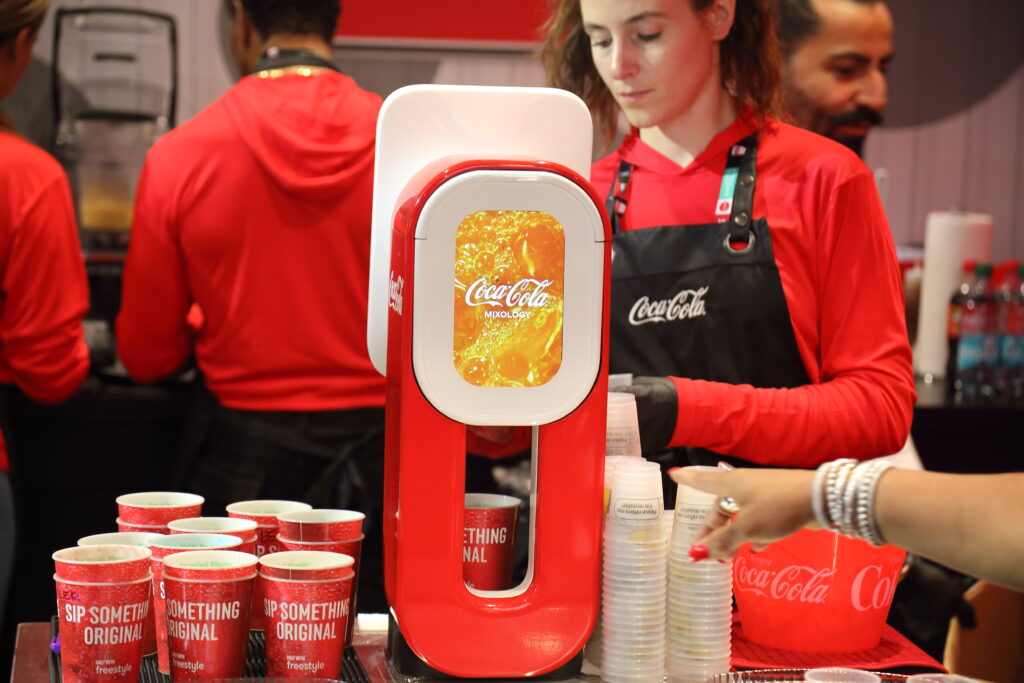
The company’s R&D hubs in Atlanta, London and Singapore are equipped with modular kiosks that combine AI‑driven inventory management with precision dispensing. Sensors track syrup levels in real time, automatically reorder ingredients, and adjust carbonation pressure to suit each recipe. A touchscreen lets customers select from a menu of over 30 pre‑programmed drinks, including the now‑viral “dirty soda” – a classic cola spiked with fruit‑juice concentrates and a splash of caffeine‑boosting guarana.
According to a recent briefing to investors, the labs have already produced a prototype that can churn out a 16‑ounce refresher in 8.2 seconds while cleaning its own nozzle with a steam‑burst cycle. The machines are also designed to be retro‑fitted into existing soda fountains, meaning franchise owners could upgrade without a full remodel.
Profit, labor and the race for the next big sip
Automation directly tackles the two biggest pain points for restaurant operators: labor shortages and shrinkage. In the United States, the fast‑food sector has reported an average staff turnover rate of 125 % annually, according to the National Restaurant Association. By shifting the most repetitive part of drink preparation to a machine, managers can keep a leaner crew focused on food service and upselling.
From a financial perspective, each automated unit is projected to generate $250,000 in incremental revenue per year, based on internal modeling shared with analysts. The savings on labor, reduced syrup spillage and lower energy consumption combine to push the unit’s payback period to under two years – a compelling case for franchisees who are constantly balancing cap‑ex against cash flow.
What this means for Africa’s fast‑food landscape
Coca‑Cola is Africa’s largest beverage partner, with bottling operations in 20 countries and a deep‑rooted presence in street‑side stalls, malls and quick‑service restaurants. The company’s new automated kiosks could reshape how drinks are sold in markets like Nigeria, Kenya and South Africa, where labor costs are lower but the demand for premium, Instagram‑ready beverages is soaring among urban youth.
Local bottlers have already hinted at pilot programs in Lagos and Nairobi, where a single kiosk could serve dozens of flavors without needing a full‑time soda‑fountain attendant. For African franchisees, this translates into higher average ticket sizes without the need to expand staff, a crucial advantage in economies where minimum‑wage hikes are tightening margins. Moreover, the data‑rich platform behind the machines offers Coca‑Cola unprecedented insight into regional flavor preferences, potentially accelerating the rollout of Africa‑specific drinks such as hibiscus‑infused refreshers or millet‑based soda variants.
Looking ahead: rollout timeline and competitive response
Coca‑Cola plans to begin limited‑scale deployments of the automated kiosks in select U.S. and European outlets by Q4 2026, with an accelerated launch in African markets slated for early 2027. The company says it will partner with local tech firms to adapt the software to regional payment methods, including mobile money platforms popular across the continent.
Competitors are not standing still. PepsiCo announced a partnership with a Chinese robotics startup to develop a similar system, while independent coffee‑shop chains in South Africa are experimenting with AI‑driven cold‑brew dispensers. The race to own the “next‑gen soda” shelf will likely push down equipment costs and spur a wave of new flavor innovations tailored to African palates, creating both opportunities and challenges for local suppliers.
Quick Answers
When will Coca‑Cola’s automated drink kiosks be available in Africa?
Coca‑Cola aims to start pilot installations in Lagos and Nairobi in early 2027, following U.S. and European rollouts later in 2026.
How does automation affect the price of a dirty soda?
Automation cuts labor and waste costs, allowing retailers to keep prices similar to today while preserving higher profit margins.
Will African bottlers benefit from the new technology?
Yes; bottlers can use the data from the kiosks to tailor flavors to local tastes and reduce the need for extra staff at franchise locations.
Source: www.cnbc.com


💬 Comments 0