Could USMNT stars like Christian Pulisic, Tyler Adams or Gio Reyna join Mauricio Pochettino at Manchester United in 2027?
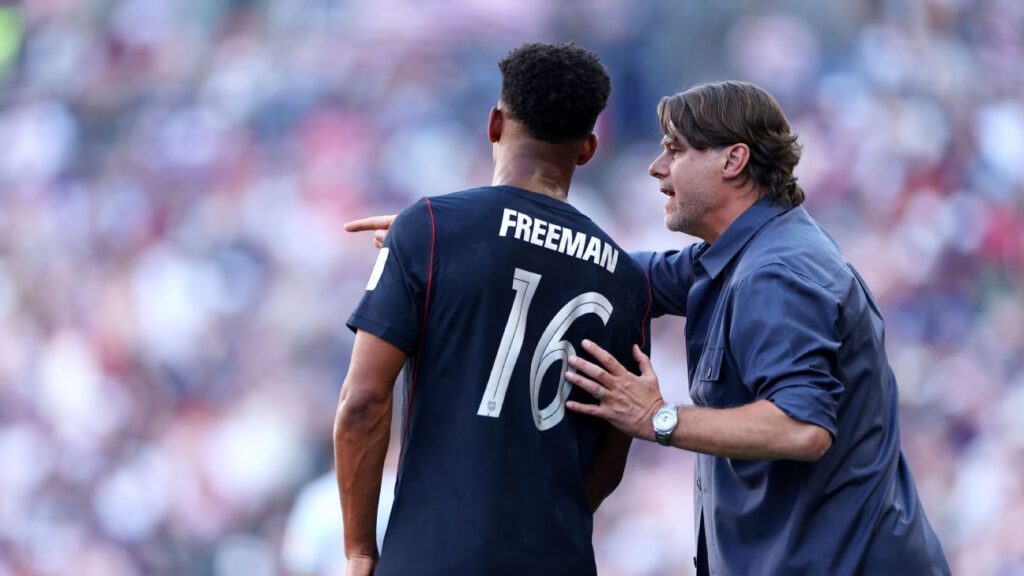
Pochettino’s Manchester United gamble and his USMNT connections
When Manchester United appointed Mauricio Pochettino in July 2026, the Argentine coach inherited a club teetering near the relegation zone for the first time in its modern history. The Red Devils have already splashed cash on high‑profile signings, yet the squad still lacks a clear tactical identity and a leader who can translate United’s brand into consistent performances.
Pochettino’s résumé includes a decade of managing the United States men’s national team (USMNT) from 2022 to 2025, a period that saw the side qualify for the 2026 World Cup on home soil. His familiarity with a handful of American talents – most notably Christian Pulisic, Tyler Adams and the younger Gio Reyna – gives United a unique recruitment shortcut that other Premier League clubs simply do not have.
Which USMNT players fit United’s needs?
Christian Pulisic, the 28‑year‑old captain, remains one of the most marketable and technically gifted forwards in Europe. After a mixed spell at Chelsea, he is reportedly keen on a fresh challenge where he can be the focal point of attack, and United’s need for a left‑footed, high‑tempo winger aligns with his skill set. Sources say United’s scouting department has already logged his recent form at AC Milan as a benchmark.
Tyler Adams, now 27, has become a midfield lynchpin for RB Leipzig, praised for his defensive discipline and passing range. United’s midfield has struggled to balance ball retention with high‑press intensity, a gap that Adams could fill. His experience in a Bundesliga that emphasizes quick transitions mirrors the style Pochettino favoured at Tottenham.
Gio Reyna, 22, is still developing his game‑breaking potential after a loan spell at Bayern Munich. United’s recent acquisition of a young, versatile attacking midfielder could give Pochettino a creative spark off the bench, while also providing a long‑term asset for the club’s resale market.
Why United’s possible American signings matter beyond the pitch
A high‑profile USMNT player at Manchester United would instantly boost the club’s commercial footprint in North America, a market United has struggled to dominate since the Sir Alex era. The United States is projected to become the world’s second‑largest sports market by 2030, and a star like Pulisic could translate into merchandise sales worth tens of millions of dollars.
Beyond revenue, the move would also signal a shift in United’s recruitment philosophy: instead of chasing aging super‑stars, the club could lean on younger, globally‑recognised talent that fits a high‑press system. This could set a precedent for other English giants to look eastwards – to MLS and the US national pool – for players who combine tactical flexibility with commercial appeal.
For the USMNT, a successful stint at United would raise the profile of American soccer in Europe, encouraging more clubs to scout US talent. It would also provide a pathway for African‑American players, who have historically been under‑represented in top‑flight European sides, to see a clear route from the United States to elite competition.
Connecting the dots: a broader trend of Premier League clubs courting American talent
Manchester United is not alone in eyeing American players. Since 2018, the Premier League has seen a surge of US exports – from Jack Henderson at Liverpool to Weston McKennie at Aston Villa. This trend reflects the league’s desire to tap into the burgeoning American fanbase, especially ahead of the 2026 World Cup that the US, Canada and Mexico will co‑host.
The African diaspora in the United States adds another layer. Players like Pulisic and Adams, who have African‑American heritage, serve as cultural bridges. Their visibility at a club as globally watched as United could spark increased viewership across the continent, particularly in West Africa where football fandom is already intense.
Moreover, the success of US‑based academies in producing technically proficient midfielders dovetails with Pochettino’s preference for high‑press, possession‑based football. United’s scouting network, now bolstered by data analysts in Atlanta and Lagos, is likely to prioritize players who can adapt quickly to that style.
What the next transfer windows could hold for United and the USMNT
The summer 2027 window will be decisive. United’s current budget, freed up by the sale of a few fringe players, could accommodate a £45‑million deal for Pulisic if the winger’s release clause is triggered. Adams’ market value has risen to around £30 million after a strong Bundesliga campaign, making him a realistic target for a club looking to rebuild without breaking the bank.
However, work‑permit hurdles remain. While Pulisic’s 115‑minute Premier League experience satisfies the UK points‑based system, Adams and Reyna would need to meet the 75‑point threshold, which could be eased by United’s UEFA competition participation and their recent USMNT caps.
If United succeeds, the ripple effect could be immediate: a boost in TV ratings for the Premier League in the US, a spike in United’s social‑media engagement among African‑American fans, and a stronger bargaining position for the USMNT in future transfer negotiations. Conversely, failure to sign any of the trio could deepen the club’s crisis and fuel criticism that Pochettino’s American connections are being squandered.
Quick Answers
Which USMNT players could realistically join Manchester United under Mauricio Pochettino?
Christian Pulisic, Tyler Adams and Gio Reyna are the most frequently mentioned candidates, each fitting a tactical need and having the commercial appeal United seeks.
How would an American signing affect Manchester United’s market in the United States?
A high‑profile USMNT player could increase United’s US merchandise sales by tens of millions and lift Premier League viewership among American and African‑American audiences.
What are the main obstacles to signing US players for Manchester United?
Work‑permit requirements, transfer fees, and competition from other Premier League clubs are the key challenges United must navigate.
Source: www.espn.com




💬 Comments 0