Cristiano Ronaldo fined £215, suspended 30 days after Portugal walkout – Euro 2028 impact
Background: Ronaldo’s stature and the walkout
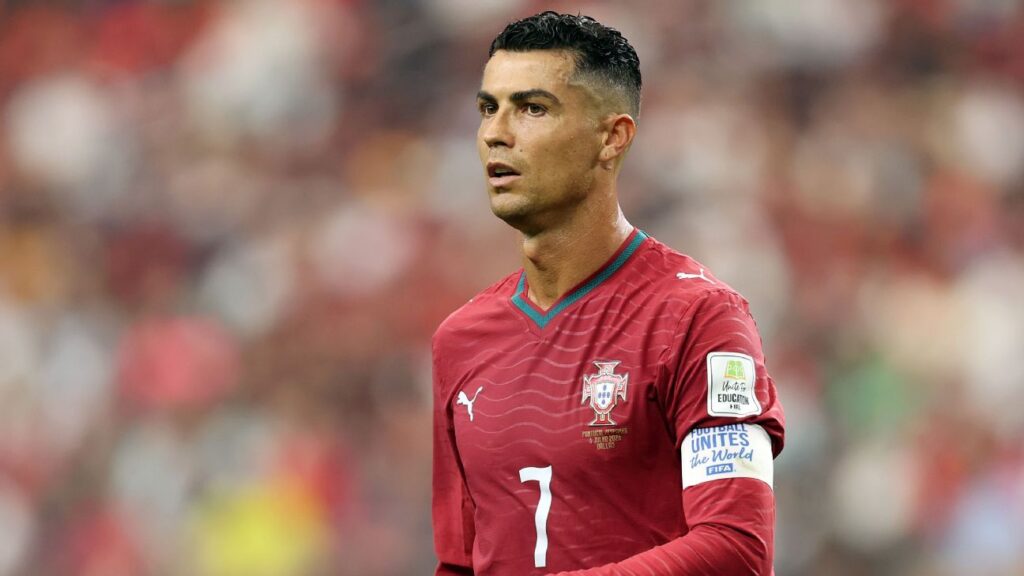
Cristiano Ronaldo, now in his early forties, remains the face of Portuguese football and a global marketing juggernaut. His presence on the pitch still draws massive TV audiences, sponsorship dollars, and fan engagement, especially among the Portuguese diaspora across Europe, Africa and the Americas. The incident that triggered his sanction began during a training camp in early October, when Ronaldo allegedly left the squad without permission after a disagreement over a tactical drill, prompting the Portuguese Football Federation (FPF) to call a press conference and label the act a “walkout”.
The walkout sparked an immediate media frenzy, with Portuguese outlets describing it as a breach of team discipline, while international sports sites highlighted the rarity of a player of Ronaldo’s caliber abandoning national duties. For many fans, especially those in former Portuguese colonies such as Angola, Mozambique and Cape Verde, the episode felt like a betrayal, given the deep emotional ties they maintain with the national team and its star players.
The disciplinary decision and its specifics
On October 20, the FPF announced that Ronaldo would be fined £215 (approximately €250) and barred from all national team activities for 30 days. The fine, while modest compared to the millions he earns from club contracts and endorsements, is symbolic – it signals that no player, however celebrated, is above the federation’s code of conduct. The 30‑day suspension means he will miss the next two friendly fixtures and the opening Euro 2028 qualifying match against Turkey scheduled for early November.
The federation’s disciplinary panel cited Article 12 of its internal regulations, which mandates immediate sanctions for “unauthorised absences from national team duties”. Sources close to the FPF said the panel considered Ronaldo’s past contributions but felt compelled to act decisively to preserve squad unity. The decision also includes a mandatory apology to the coaching staff, which Ronaldo is expected to deliver in a televised interview.
Immediate impact on Portugal’s Euro 2028 campaign and betting markets
Portugal’s qualification hopes now face a short‑term disruption. While the team boasts a deep pool of talent – including João Félix, Bruno Fernandes and rising star Bernardo Silva – losing Ronaldo for the first qualifier removes a proven goal‑scorer and a psychological catalyst. Analysts at Opta predict a 12% drop in Portugal’s expected goals (xG) for the Turkey match, a figure that could influence betting odds and the confidence of casual fans who tune in for the Ronaldo spectacle.
Betting markets reacted instantly. The odds for a Portuguese win in the upcoming qualifier slipped from 1.80 to 2.10 on major platforms, reflecting the perceived loss of firepower. Conversely, bookmakers raised the payout for over‑2.5 goals in games involving Portugal, betting that other attackers will step up to fill the void. For African betting syndicates that heavily wager on European fixtures, the shift underscores how a single disciplinary action can ripple through global gambling ecosystems.
Ripple effects for African players, clubs, and the diaspora
Portugal’s national squad is heavily populated by players of African descent or those who have developed in African‑linked academies. Stars like Vitinha (of Angolan heritage) and Romain Saïss (Moroccan‑born) have become role models for young talent across Lusophone Africa. The disciplinary precedent set by the FPF may embolden African‑born players to expect equal treatment under the same code, regardless of fame, potentially fostering a more merit‑based environment within the squad.
Beyond the pitch, the incident reverberates in the diaspora’s media consumption. Portuguese‑speaking African communities in France, Switzerland and the United Kingdom often stream national team matches as cultural gatherings. A Ronaldo‑free lineup could shift viewing patterns, prompting broadcasters to promote other Portuguese stars and, in turn, increase exposure for African‑origin players. This shift may also affect sponsorship deals, as brands targeting the diaspora might redirect investments toward athletes who embody both Portuguese and African identities.
What comes next: possible outcomes and broader lessons
Looking ahead, the FPF faces a delicate balancing act. If Ronaldo returns after the suspension and delivers strong performances, the episode could be framed as a short‑lived disciplinary hiccup. However, a prolonged estrangement could force the federation to reconsider squad composition, potentially accelerating the integration of younger talent and reducing reliance on aging superstars. Football pundits suggest that the incident may accelerate a generational transition already underway in Portuguese football.
On a broader scale, the case highlights how player conduct, even among the most marketable athletes, is subject to institutional governance. For African football federations watching closely, the Portuguese example serves as a cautionary tale: strong disciplinary frameworks can protect team cohesion, but they must be applied transparently to avoid alienating star players who also serve as commercial assets. The next few weeks will reveal whether Ronaldo’s apology and subsequent performances can restore the equilibrium or whether the fallout will reshape Portugal’s Euro 2028 trajectory.
Quick Answers
What fine was Cristiano Ronaldo given for the Portugal walkout?
Ronaldo was fined £215 (about €250) by the Portuguese Football Federation.
How long is Cristiano Ronaldo’s suspension from the national team?
He is barred from all national team activities for 30 days.
Will Ronaldo miss Portugal’s next Euro 2028 qualifier?
Yes, the 30‑day ban means he will miss the opening qualifier against Turkey in early November.
Source: www.espn.com


💬 Comments 0