Cruise ship pianist rescued after nine hours off California by US fishermen, 2026
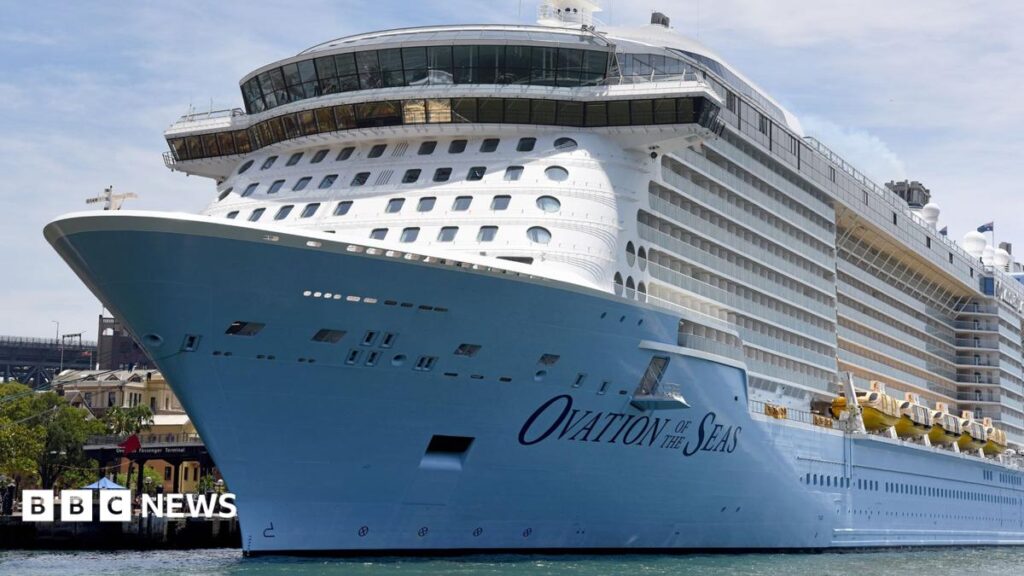
A night on the water turned into a rescue drama
On the night of 8 November 2026, a 73‑year‑old pianist who had been performing on a cruise ship that docked in Los Angeles found himself adrift in the Pacific Ocean. After a sudden shift in the ship’s itinerary, he slipped overboard while attempting to retrieve a misplaced instrument case. He managed to stay afloat for nine hours, battling cold currents and fatigue, before two American fishermen, Tom Miller and Luis Garcia, spotted him about 20 miles (32 km) off the Californian coast.
The fishermen, who were heading back to shore after a day’s catch, radioed the location to the U.S. Coast Guard. Within an hour, a rescue helicopter arrived, and the pianist was air‑lifted to a nearby hospital. He later thanked his rescuers, describing the experience as “the most terrifying nine hours of my life, but also a reminder of humanity’s kindness at sea.”
Safety protocols on cruise ships under scrutiny
The incident has reignited debate over cruise‑line safety standards, especially regarding crew and passenger monitoring. While the International Maritime Organization mandates that ships keep a log of all persons on board, critics argue that enforcement is uneven and that on‑deck surveillance is often limited to high‑traffic areas such as pools and promenades.
According to a report from the U.S. Coast Guard released in early October, over 30 percent of overboard incidents on commercial vessels go unreported for at least an hour, a delay that can be fatal. The pianist’s survival is attributed to the luck of being spotted quickly, not to systematic safeguards. Industry analysts say the episode could pressure major operators like Carnival and Royal Caribbean to invest in wearable GPS tags for staff and passengers.
When civilians become first responders at sea
The role played by Miller and Garcia underscores a growing reliance on civilian mariners in maritime emergencies. The U.S. Merchant Marine has long advocated for better integration of private vessels into official rescue networks, a push that gained momentum after the 2022 disappearance of a fishing boat off Alaska.
A spokesperson for the National Oceanic and Atmospheric Administration (NOAA) noted that, in the past decade, over 1,200 rescues have involved non‑military vessels responding to distress calls. “These everyday heroes fill gaps that even the most advanced coast‑guard assets can’t always cover, especially in remote waters,” the spokesperson said.
Consumer confidence and the cruise industry’s next move
For a sector that generated roughly $45 billion in revenue in 2025, any safety scare can ripple through booking trends. Travel‑monitoring firm Phocuswright reported a 4 percent dip in cruise reservations for the week following the rescue, the first noticeable decline since the COVID‑19 pandemic’s impact on the industry.
In response, several cruise lines have announced pilot programmes to test “smart life‑vests” that emit a distress signal when submerged for more than ten seconds. If successful, these devices could become a new industry standard, potentially restoring confidence among cautious travelers.
Regulatory and technological changes on the horizon
Legislators in California and Washington are already drafting bills that would require all passenger vessels operating in U.S. waters to install automated overboard detection systems by 2028. The proposals echo similar measures adopted by the European Union after a series of high‑profile incidents in the Mediterranean.
Meanwhile, tech startups are racing to commercialise low‑cost, satellite‑linked wearables that can be attached to personal items—such as instrument cases—to alert authorities the moment they leave a ship. If these innovations gain traction, they could transform how maritime safety is managed, turning a tragic near‑miss into a catalyst for systemic improvement.
Quick Answers
How was the cruise ship pianist rescued after nine hours at sea?
Two US fishermen spotted him 20 miles off California, alerted the Coast Guard, and a rescue helicopter air‑lifted him to safety.
What does this rescue mean for cruise ship safety?
It highlights gaps in overboard monitoring and may push cruise lines to adopt GPS tags and smart life‑vests for passengers and crew.
Will civilian mariners be more involved in future rescues?
Yes; recent legislation and industry talks aim to formalise the role of private vessels in maritime emergency response networks.
Source: www.bbc.co.uk




💬 Comments 0