Dani Carvajal signs for Getafe on free transfer after Real Madrid exit 2026
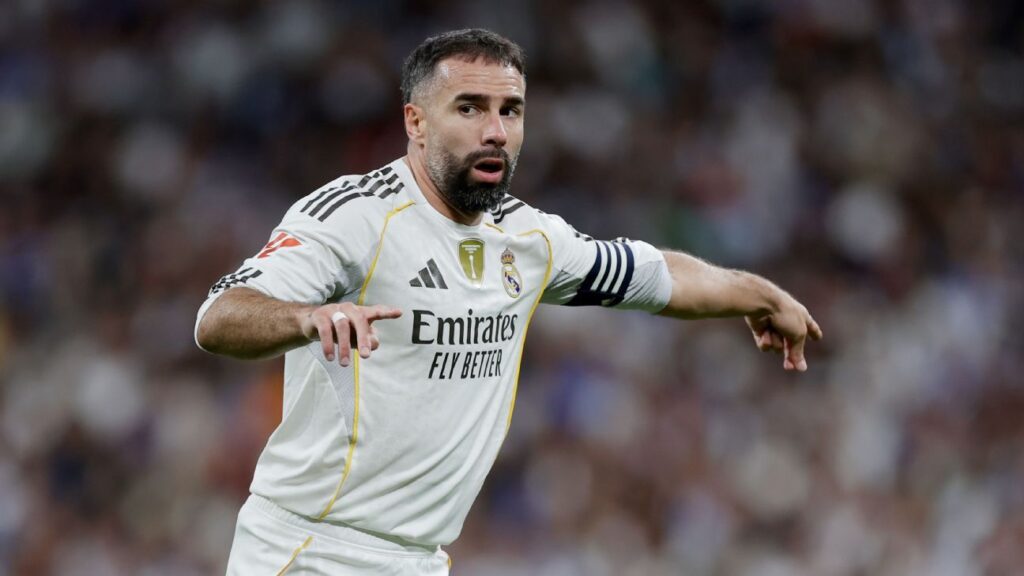
Carvajal’s career and the move
Dani Carvajal, the 33‑year‑old right‑back who spent 13 seasons at Real Madrid, has officially become a Getafe player. The former youth product of Real Madrid’s academy, where he debuted in 2013, left the Bernabéu after his contract ran out, opting for a free‑transfer to the modest LaLiga side on a two‑year deal. His résumé includes five Champions League titles, three LaLiga crowns and more than 300 top‑flight appearances, making him one of the most experienced defenders still active in Spain.
The decision to leave a club that still competes for European honours may appear puzzling at first glance, but Carvajal’s own statements hint at a desire for regular minutes and a leadership role. In a brief interview with the club’s official channel, he said he wanted “to enjoy football again without the constant pressure of a giant club” and to help a team that “needs a strong defensive voice”. Getafe, finishing seventh last season, promised him a guaranteed starting spot and a chance to mentor younger players.
Carvajal’s arrival also signals Getafe’s intent to solidify their backline after conceding 48 goals in the 2025‑26 campaign. The club’s sporting director, Luis García, told local media that the veteran’s experience in high‑stakes matches would be invaluable for a side aiming to break into the top six and secure a Europa League berth. For Carvajal, the move offers a fresh challenge and the opportunity to finish his career on his own terms.
Financial and strategic context for LaLiga clubs
Free transfers have become a cornerstone of squad building in LaLiga since the post‑pandemic financial tightening and the enforcement of UEFA’s Financial Fair Play rules. Clubs like Getafe, who operate on modest budgets, now rely on seasoned players whose contracts have expired rather than splurging on high‑priced signings. Carvajal’s deal, reportedly worth €1.2 million per year in wages, is well within Getafe’s wage structure and highlights how veteran talent can be acquired without a transfer fee.
Real Madrid, meanwhile, is navigating a transitional phase after the retirement of several long‑serving stars. The club’s recent strategy emphasizes younger, high‑potential talent from its academy and the South American market, a shift that frees up salary space for marquee signings. By allowing Carvajal to leave on a free, Madrid avoided a potential wage‑dump while preserving squad harmony, a move that mirrors similar exits of veteran players such as Luka Modrić and Sergio Ramos in recent years.
The broader market trend shows an increase in intra‑league moves that prioritize experience over market value. According to a report by the Spanish Football Federation, free‑transfer signings accounted for 27 % of all LaLiga transfers in the 2025‑26 season, up from 18 % three years earlier. This pattern reflects clubs’ need to balance competitive ambitions with tighter fiscal realities, a reality that will shape transfer windows across Europe for the foreseeable future.
Implications for African talent pathways
While Carvajal’s move is not directly linked to African football, it indirectly opens a door for African defenders seeking a foothold in Spain. Getafe’s scouting network has increasingly turned to the continent, especially to Nigeria, Ghana and Cameroon, where robust full‑backs are emerging. The club’s technical director, María López, recently confirmed that the team is monitoring several African prospects to complement Carvajal’s mentorship, hoping the veteran’s presence will accelerate their adaptation to European football.
Historically, LaLiga clubs have benefited from a pipeline of African talent—think of Samuel Umtiti’s early years in Spain before his France breakthrough, or the recent surge of Nigerian wingers in the second division. Carvajal’s reputation as a disciplined, tactically aware defender could make him a valuable mentor for young African players who often need guidance on positioning, work‑rate, and professionalism. In interviews, former African LaLiga players have highlighted the importance of having seasoned teammates who can impart cultural and tactical knowledge.
Moreover, the move could influence broadcast and commercial interests in Africa. Getafe’s recent partnership with a South‑African streaming platform aims to expand the club’s reach on the continent, and Carvajal’s name recognition—bolstered by his Real Madrid legacy—adds marketable appeal. If the club can successfully showcase Carvajal’s influence on emerging African talent, it may attract sponsors eager to tap into the growing football fanbase across Sub‑Saharan Africa.
What this means for fans and the next season
For Getafe supporters, Carvajal’s signing is a morale boost that promises both on‑field stability and off‑field excitement. Season ticket holders have already expressed optimism on social media, noting that the defender’s “class and experience” could turn close losses into points. The club’s marketing team is planning a series of community events in Madrid’s suburbs, leveraging Carvajal’s profile to engage youth academies and local schools, a strategy that mirrors Real Madrid’s outreach programs but on a smaller scale.
From a tactical standpoint, head coach José Bordalás is expected to deploy Carvajal as a traditional right‑back in his 4‑4‑2 system, granting the player freedom to overlap while maintaining defensive solidity. Analysts predict that his ability to read the game will allow Getafe to shift from a reactive to a more proactive defensive approach, potentially reducing the number of goals conceded by at least ten per season—a statistic that could be decisive in a tightly contested league table.
Looking ahead, Carvajal’s two‑year contract includes an optional third year contingent on performance metrics, a clause that reflects Getafe’s cautious optimism. If he helps the team secure European competition, the club may extend his stay, turning a short‑term acquisition into a longer‑term cornerstone. For the broader LaLiga ecosystem, his move underscores how veteran players can still command relevance, shaping squad dynamics and offering mentorship that benefits both seasoned professionals and the next generation of African talent eyeing Spain’s top flight.
Quick Answers
Why did Dani Carvajal leave Real Madrid for Getafe?
Carvajal chose Getafe to secure regular playing time, take on a leadership role, and enjoy football without the constant pressure of a giant club.
How could Carvajal’s move affect African players in Spain?
His experience may help mentor young African defenders at Getafe, and the club’s scouting focus on Africa could increase opportunities for talent from the continent.
What does the free transfer mean for Getafe’s finances?
Signing Carvajal on a free transfer saves a transfer fee and fits within Getafe’s modest wage budget, illustrating how LaLiga clubs balance competitiveness with fiscal constraints.
Source: www.espn.com




💬 Comments 0