Data Centre Backlash 2026: Lagos Power Strain, Climate Costs & Global Push
The Global Surge of Data Centres
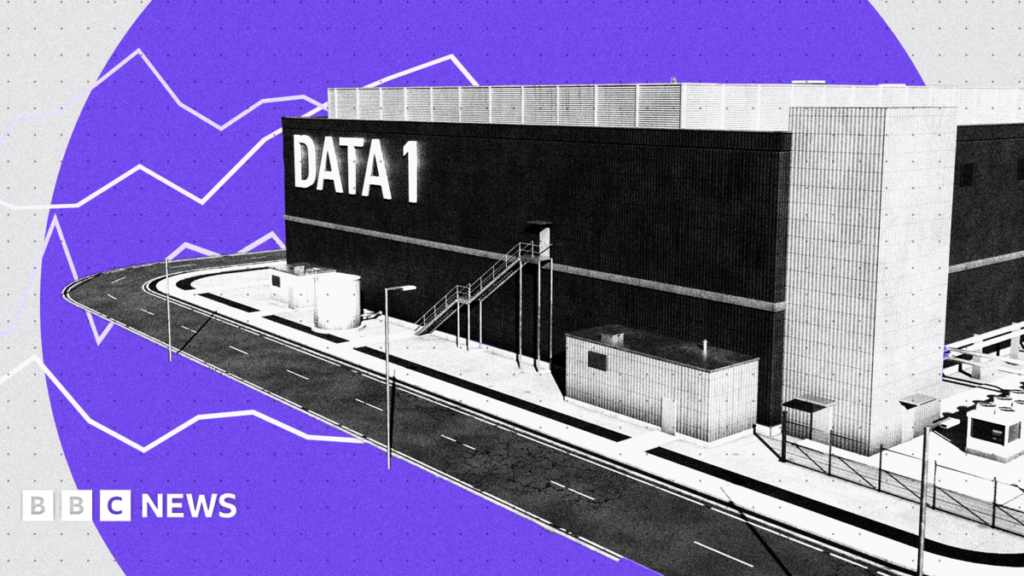
Over the past decade, the number of data centres worldwide has multiplied by more than threefold, driven by the explosion of cloud services, streaming, AI workloads and the internet of things. According to a 2025 IDC report, the sector now consumes roughly 2% of global electricity – a share that rivals the entire aviation industry. This growth has been especially pronounced in the United States, Europe and China, where tech giants have built megastructures that can house tens of thousands of servers in a single campus.
The physical footprint of these facilities is also expanding. Modern “hyperscale” centres often occupy the size of a football field and require massive cooling systems, backup generators and high‑capacity fiber links. While they promise ultra‑low latency and near‑infinite scalability, the infrastructure demands translate into huge capital expenditures and a constant appetite for cheap, reliable power.
Because data traffic is expected to keep rising – some forecasts predict a 30% annual increase in bandwidth demand through 2035 – the industry is already scouting new locations. Rural outskirts, desert regions and former industrial zones are being marketed as the next frontier for low‑cost electricity and land, setting the stage for the backlash that is now surfacing.
Environmental and Community Concerns
Environmental groups have begun to frame data centres as a hidden source of carbon emissions. While many operators tout renewable‑energy purchase agreements, the reality is that most facilities still rely on fossil‑fuel‑heavy grids, especially in emerging markets where green capacity is limited. A 2024 analysis by the International Energy Agency warned that without stricter efficiency standards, data‑centre electricity use could double by 2030, erasing progress made in other sectors.
Local communities are also feeling the strain. In places like the United Kingdom’s West Midlands, residents have protested against new builds that threaten water supplies and increase noise pollution from cooling towers. A spokesperson for the Green Cities coalition said the “quiet hum of servers” masks a louder debate over who bears the environmental cost of our digital lives.
Critics argue that the industry’s lobbying power often eclipses public interest. When the European Commission drafted its Digital Services Act, data‑centre operators secured exemptions that delay mandatory energy‑efficiency reporting, a move that NGOs described as “regulatory capture” in a June 2026 press release.
Africa’s Fast‑Growing Data Hub
Africa is emerging as a new battleground for data‑centre expansion. Lagos, Nairobi, Johannesburg and Kigali have all attracted multi‑billion‑dollar investments from companies like Amazon Web Services, Microsoft and local player MainOne. The continent’s internet user base is projected to exceed 900 million by 2030, creating a lucrative market for low‑latency hosting services.
However, the rapid rollout is colliding with chronic power shortages. In 2026, Lagos experienced a record‑high grid load after a new hyperscale centre went online, prompting the Nigerian Transmission Company to issue emergency load‑shedding notices that affected hospitals and schools. According to a report by the Lagos State Ministry of Environment, the centre’s electricity demand accounts for roughly 4% of the city’s total consumption during peak hours.
The environmental impact is also a concern for African NGOs. The African Climate Justice Network has highlighted that many data‑centre projects are built on reclaimed wetlands, threatening biodiversity and local livelihoods. In Kenya, a community near the Konza Technopolis campaigned for stricter water‑use permits after a cooling‑system leak contaminated a nearby river used for irrigation.
What the Backlash Means for Investors and Policymakers
Investors are beginning to factor backlash risk into valuation models. A 2026 ESG‑focused fund manager told Bloomberg that “social license” is now a material consideration for any data‑centre acquisition, especially in regions where civil society is mobilising against unchecked energy use. This shift is prompting some firms to explore “green‑by‑design” concepts, such as using liquid immersion cooling and sourcing 100% renewable power from on‑site solar farms.
Policymakers, meanwhile, are under pressure to balance digital‑infrastructure goals with climate commitments. South Africa’s Department of Communications announced a draft policy that would require new data‑centres to achieve at least a 30% reduction in Power Usage Effectiveness (PUE) compared with the global average, a move welcomed by the South African Renewable Energy Council. Similar proposals are being debated in Nigeria, where the Ministry of Power is piloting a carbon‑credit scheme for data‑centre operators that meet stringent emissions thresholds.
The regulatory landscape is still fragmented. While the European Union has introduced the Climate‑Neutral Data Centres Initiative, many African nations lack clear standards, leaving a regulatory vacuum that can be exploited by both responsible and reckless developers. This inconsistency creates both opportunity and risk for multinational firms seeking to expand across the continent.
Looking Ahead: Renewable Power and Regulation
The next wave of data‑centre construction is likely to be defined by how quickly renewable‑energy integration can be scaled. Projects in Morocco’s Ouarzazate solar complex are already feeding excess power to a nearby Amazon Web Services campus, demonstrating a model where data centres become flexible demand‑response assets rather than static loads. Analysts predict that by 2030, at least half of new African data‑centres will be powered predominantly by solar or wind, provided that grid interconnection costs fall.
Regulation will play a decisive role in shaping that transition. The African Union’s Digital Transformation Strategy, updated in 2025, calls for a continent‑wide data‑centre code that mandates transparent reporting of energy mix, water use and heat‑recovery practices. If adopted, the code could give governments a legal foothold to enforce sustainability clauses in lease agreements and public‑private partnerships.
For the broader public, the backlash is a reminder that digital convenience carries hidden externalities. As users, demanding carbon‑neutral hosting options, supporting platforms that disclose their energy footprints, and advocating for responsible siting can help steer the industry toward a greener future. The conversation that began with a few protests in Europe is now echoing across Lagos, Nairobi and Johannesburg – and the outcome will shape the digital landscape of Africa for years to come.
Quick Answers
Why are data centres considered a climate risk in 2026?
They now use about 2% of global electricity and many still rely on fossil‑fuel grids, so their emissions can grow faster than other sectors.
How is the data‑centre boom affecting Lagos’ power supply?
A new hyperscale centre in Lagos accounts for roughly 4% of the city’s peak electricity demand, triggering load‑shedding that impacts hospitals and schools.
What steps are African countries taking to make data centres greener?
South Africa is drafting a policy for a 30% PUE improvement, while Nigeria is testing a carbon‑credit scheme for low‑emission data‑centre projects.
Source: www.bbc.co.uk




💬 Comments 0