David Warner says Cricket Australia probe ‘stinks of a cover‑up’ after 2018 sandpapergate
Background: The 2018 sandpapergate scandal
In March 2018 the Australian cricket team faced one of its darkest moments when players were caught altering the condition of the ball during a Test against South Africa. The incident, popularly dubbed “sandpapergate”, involved former captain Steve Smith, vice‑captain David Warner and all‑rounder Cameron Bancroft, who was seen using sandpaper on the ball’s seam. The International Cricket Council (ICC) swiftly imposed bans, and Cricket Australia (CA) launched an internal inquiry that led to leadership changes and a public apology.
The fallout reshaped Australian cricket’s culture, prompting a “clean‑up” campaign that emphasized integrity, mental health support, and stricter disciplinary protocols. While the immediate punishment was clear, many observers felt the investigation left unanswered questions about how deep the misconduct ran within the team environment and whether senior staff had tacitly condoned the act.
Warner’s fresh accusations and the CA response
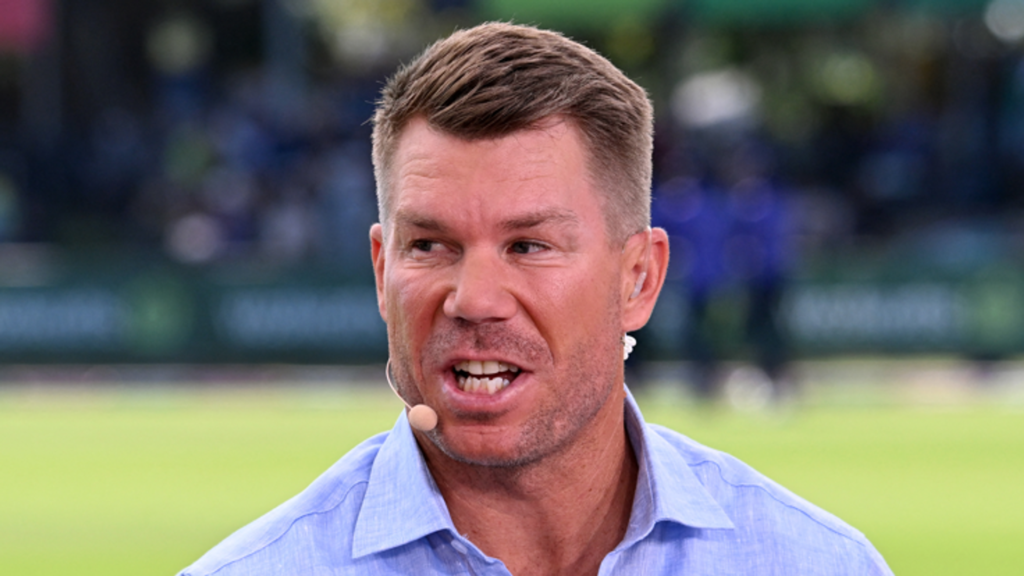
On 13 November 2026 former skipper David Warner took to social media to claim that the current CA investigation into the 2018 episode “stinks of a cover‑up”. Warner argued that the new review, announced after a series of leaked internal emails, appears designed to protect senior administrators rather than uncover the full truth. He cited inconsistencies in the timeline released by CA and suggested that key witnesses had been excluded from the hearing.
Cricket Australia issued a brief statement rejecting the allegation, saying the review follows “rigorous, independent procedures” and that any suggestion of a cover‑up is “misleading”. The board also promised to release a full report after the upcoming Ashes series, a move seen by some analysts as an attempt to control the narrative before the high‑profile matches begin.
Why the controversy matters for Australian cricket governance
The renewed dispute strikes at the heart of CA’s credibility. Trust is essential for securing sponsorship deals, broadcast rights and grassroots funding. If stakeholders believe that the governing body is shielding senior figures, corporate partners may reconsider long‑term contracts, especially as global sponsors increasingly demand transparency and ethical governance.
Beyond finances, the scandal threatens the morale of current players. Young talent entering the national setup has expressed unease about the culture they are inheriting. According to a report by The Australian Sports Review, several emerging bowlers have hinted they would rather sign with overseas T20 franchises than risk being entangled in a system perceived as opaque.
Ripple effects across African cricket and the diaspora
African cricket nations, notably South Africa, Zimbabwe and Kenya, have watched Australia’s governance woes with a mix of sympathy and caution. South Africa’s own board, Cricket South Africa (CSA), is undergoing a restructuring phase after financial mismanagement allegations, and the Australian episode reinforces the urgency of adopting robust oversight mechanisms.
For African diaspora fans in Australia, the controversy reignites discussions about representation and fairness. Community groups in Sydney’s western suburbs, home to large Nigerian and Kenyan populations, have organized town‑hall meetings demanding that CA involve multicultural voices in its reform process. They argue that a transparent inquiry could set a precedent for how cricket authorities globally treat minority stakeholders.
What’s next: reforms, ICC oversight and upcoming tours
The ICC has signaled that it will monitor Australia’s handling of the new probe, with a senior official indicating that any breach of the sport’s Code of Conduct could trigger sanctions at the international level. This adds pressure on CA to demonstrate independence, possibly by appointing an external auditor or former judge to lead the final report.
Meanwhile, the spotlight will shift to the Ashes series starting in December 2026, where Australia faces England on home soil. The series is expected to draw record viewership in Africa through satellite broadcasters, making the integrity of the Australian side a commercial concern for African media rights holders. A clean resolution could restore confidence, while another controversy might depress audience numbers and affect advertising revenue across the continent.
Quick Answers
What did David Warner say about the Cricket Australia investigation?
Warner claimed the new probe into the 2018 ball‑tampering scandal “stinks of a cover‑up”, suggesting it protects senior officials rather than revealing the full truth.
Has Cricket Australia responded to Warner’s allegations?
CA said the review follows independent, rigorous procedures and dismissed the cover‑up claim as misleading, promising a full report after the Ashes.
How could this controversy affect African cricket fans?
African broadcasters hold rights to the Ashes, so any integrity doubts could impact viewership and advertising revenue, while African cricket boards watch the case for lessons on governance.
Source: www.skysports.com




💬 Comments 0