Davido vs Bashir Ahmad: Celebrity‑politics showdown in Osun ahead of 2026 governorship vote
Background: Osun’s contested political landscape
Osun State has long been a bellwether in Nigeria’s southwest, swinging between the All Progressives Congress (APC) and the People’s Democratic Party (PDP) in successive elections. The 2026 governorship race is shaping up as one of the most closely watched contests, not only because the state’s 3.5 million registered voters are highly mobilised, but also because its economy—anchored by cocoa, tourism, and a growing tech hub—offers a micro‑cosm of the nation’s broader development challenges.
In recent years, the APC’s grip on the state has been tested by internal rifts and the rise of splinter groups such as the Acord Party, a coalition of former APC members and independent candidates. Analysts say the fragmentation reflects a growing disenchantment among party loyalists who feel excluded from decision‑making, especially after President Bola Tinubu’s administration was accused of favouring incumbents over grassroots activists.
The upcoming election also coincides with a demographic shift: over 60 % of Osun’s electorate is under the age of 35. Young voters are increasingly using social media to shape political narratives, making the state a testing ground for novel campaign tactics that blend entertainment, digital outreach, and traditional rallies.
The players: Davido’s celebrity clout and Bashir Ahmad’s political muscle
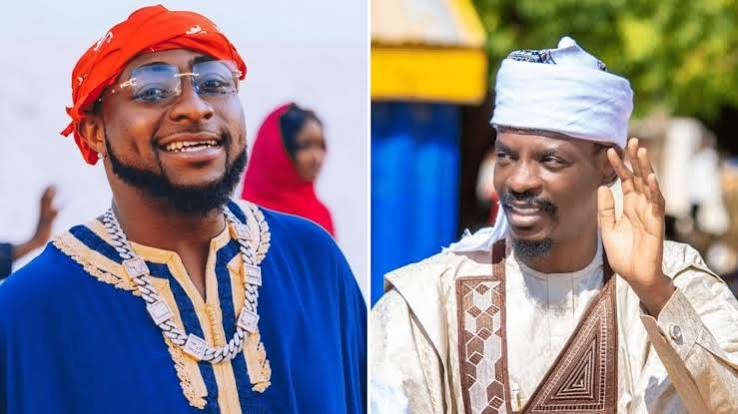
David Adeleke, better known as Davido, is one of Africa’s biggest Afrobeats icons, with streaming numbers that rival global pop stars. Since 2022, he has been vocal about supporting political causes that align with his personal brand—youth empowerment, education, and entrepreneurship. In Osun, he has been enlisted by the Acord Party to headline rallies, produce campaign‑themed tracks, and leverage his Instagram following of more than 35 million followers to amplify the party’s message.
Bashir Ahmad, an influential APC chieftain and former state commissioner, represents the establishment wing of the ruling party. Known for his grassroots mobilisation skills, Ahmad has cultivated a network of traditional rulers, local business owners, and youth leaders across the state’s 30 local government areas. His political résumé includes several high‑profile election victories and a reputation for delivering patronage projects that resonate with rural voters.
The two figures first publicly sparred after President Tinubu’s telephone call to Osun’s governor, a move that was interpreted as a signal of federal backing for the APC. According to DAILY POST, Davido and Ahmad exchanged pointed remarks on Thursday, each accusing the other of undermining democratic participation. The exchange quickly went viral, turning a routine campaign moment into a national talking point.
The clash: Campaign tactics, rhetoric and media frenzy
Davido’s Acord‑backed rallies have taken on a concert‑like atmosphere, featuring live performances of his latest hits interspersed with policy soundbites from the party’s candidate. Sources say the strategy is designed to convert concert‑goers into voters by framing political participation as an extension of the party’s cultural celebration. In a recent Instagram Live, Davido urged “young Osunites to vote for change, not just for a name on the ballot,” a line that quickly trended on Twitter under #VoteForDavido.
Bashir Ahmad, on the other hand, has leaned on more conventional political theatre. He has organised town‑hall meetings in rural districts, promised the completion of stalled infrastructure projects, and invoked Tinubu’s promise of “development without division.” In a televised interview, Ahmad warned that “celebrity politics can distract from real governance issues,” a remark that many interpreted as a direct jab at Davino’s growing influence.
The media coverage has amplified the rivalry, with both local and international outlets framing it as a showdown between “the new wave of celebrity activism” and “the entrenched political class.” While the spectacle has drawn attention, political analysts caution that the real battle will be fought on the ground, where voter registration drives, distribution of voter cards, and security arrangements will determine turnout.
Why it matters: Youth engagement, celebrity politics and the future of Nigerian elections
The Davido‑Ahmad confrontation underscores a broader trend: the increasing penetration of entertainment figures into electoral politics across Africa. In Nigeria, where youth unemployment sits near 40 %, celebrities wield a unique persuasive power that can translate cultural capital into political capital. If Davido’s mobilisation succeeds, it could signal a shift toward campaign models that prioritize music, memes, and influencer endorsement over traditional party manifestos.
For the APC, the clash presents both a risk and an opportunity. While the party’s established network remains a decisive factor in rural precincts, the rise of the Acord Party—fuelled in part by Davido’s star power—could erode the APC’s vote share among first‑time voters. Ahmad’s response, therefore, is not just a defence of party loyalty but an attempt to re‑anchor the APC’s relevance by embracing digital outreach while maintaining its patronage roots.
Diaspora Nigerians are watching closely. The Osun election is expected to set a precedent for how overseas voting blocs, especially those in the UK and the US who follow Afrobeats culture, will be courted in future contests. Davido’s global fan base includes a sizable diaspora segment that can vote via the Nigerian electoral commission’s biometric system. Campaigns that successfully engage these voters could gain a decisive edge, especially in tightly contested states.
What’s next: Election outlook and potential fallout
With the ballot slated for August 15, 2026, both camps are intensifying ground operations. The Independent National Electoral Commission (INEC) has announced the deployment of additional polling units in Osun to accommodate the projected surge in youth turnout. Security agencies are also on high alert after reports of “political thuggery” in neighboring states, prompting calls for peaceful campaigning from civil society groups.
If Davido’s Acord‑aligned candidate manages to secure a plurality, it could trigger a realignment of power in the southwest, encouraging other states to experiment with celebrity‑driven campaign formats. Conversely, a decisive APC victory would reaffirm the durability of traditional party structures, possibly prompting the Acord Party to reconsider its reliance on entertainment figures and focus on policy‑centric messaging.
Regardless of the outcome, the Osun episode is likely to influence how political parties across Nigeria and the wider continent craft future outreach strategies. The blend of music, social media, and grassroots mobilisation may become a template for elections in Ghana, Kenya, and beyond, where young, digitally‑savvy electorates are demanding more than conventional political rhetoric.
Quick Answers
When is the Osun State governorship election scheduled?
The governorship election in Osun State is set for August 15, 2026.
What role is Davido playing in the Osun campaign?
Davido is headlining rallies and using his music platform to rally young voters for the Acord Party’s candidate.
Why is the Davido‑Bashir Ahmad clash significant for Nigerian politics?
It highlights the growing influence of celebrities on voter mobilisation and signals a shift toward entertainment‑driven campaign tactics among Africa’s youth.
Source: dailypost.ng


💬 Comments 0